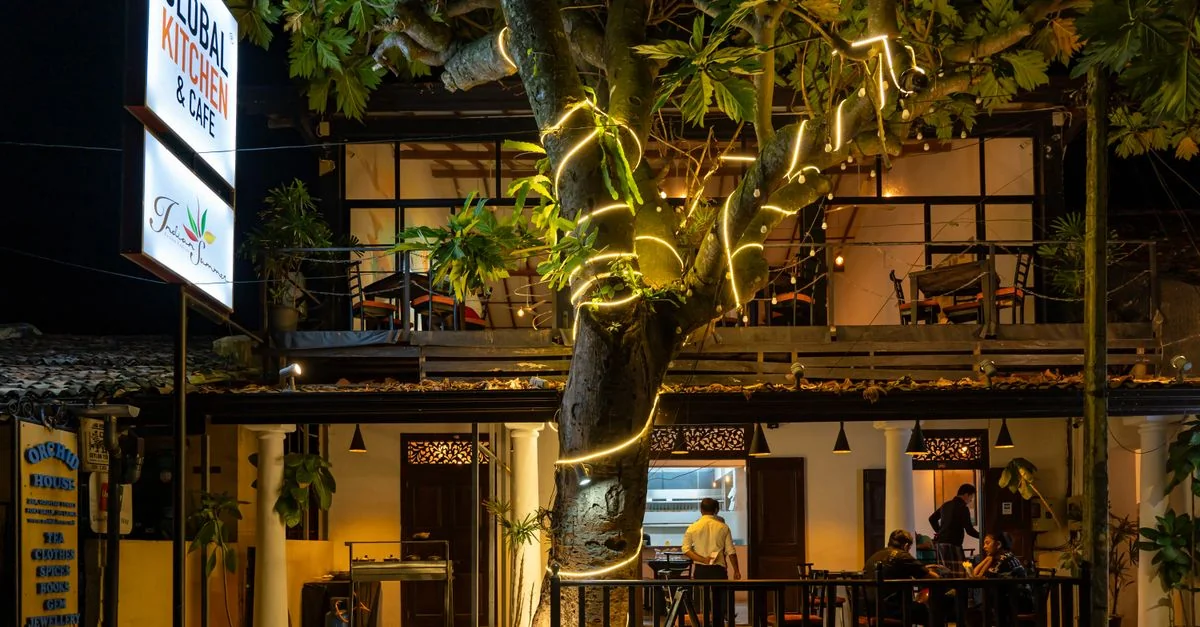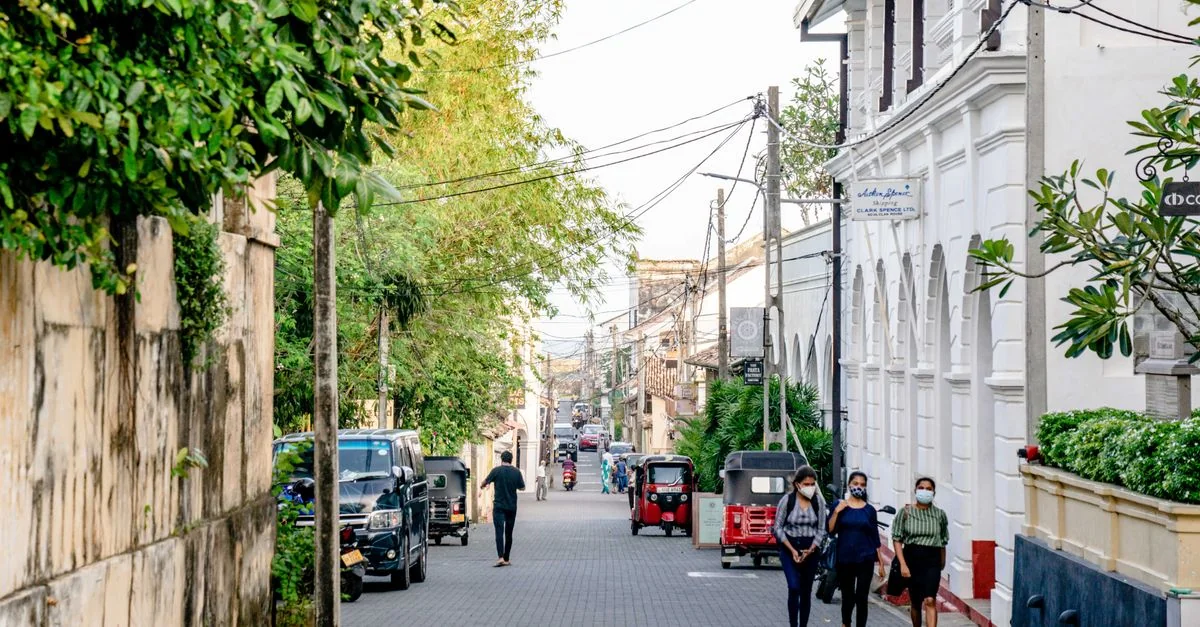
The heavy scent of toasted cumin, freshly grated coconut, and caramelized onions drifts through the damp air, instantly making my stomach growl. Kandy smells like a spice merchant’s warehouse left out in the tropical rain, and honestly, I am entirely here for it. This city in the Sri Lankan hills packs a serious punch when it comes to bold flavors, smoky clay-pot curries, and snacks fried to a golden crunch on street corners. If you think you know curry, wait until you taste the fiery, coconut-heavy preparations of the Central Province. Why Kandy is a Food Lover’s Paradise # Walking through the busy central market here is an assault on the senses in the best possible way. Vendors stack pyramids of bright red chilies, dried Maldive fish, and glossy purple eggplants next to sacks of fragrant cinnamon quills. The local cuisine revolves around rice and curry, but that simple description fails to capture the sheer complexity of the food. Every meal features a dozen different bowls—think tender jackfruit simmered in coconut milk, bitter melon fried with onions, and fiery pol sambol made from freshly scraped coconut, lime juice, and raw chilies. The heat hits you slowly, building with each bite until your forehead glows, cooled only by spoonfuls of plain steamed rice.
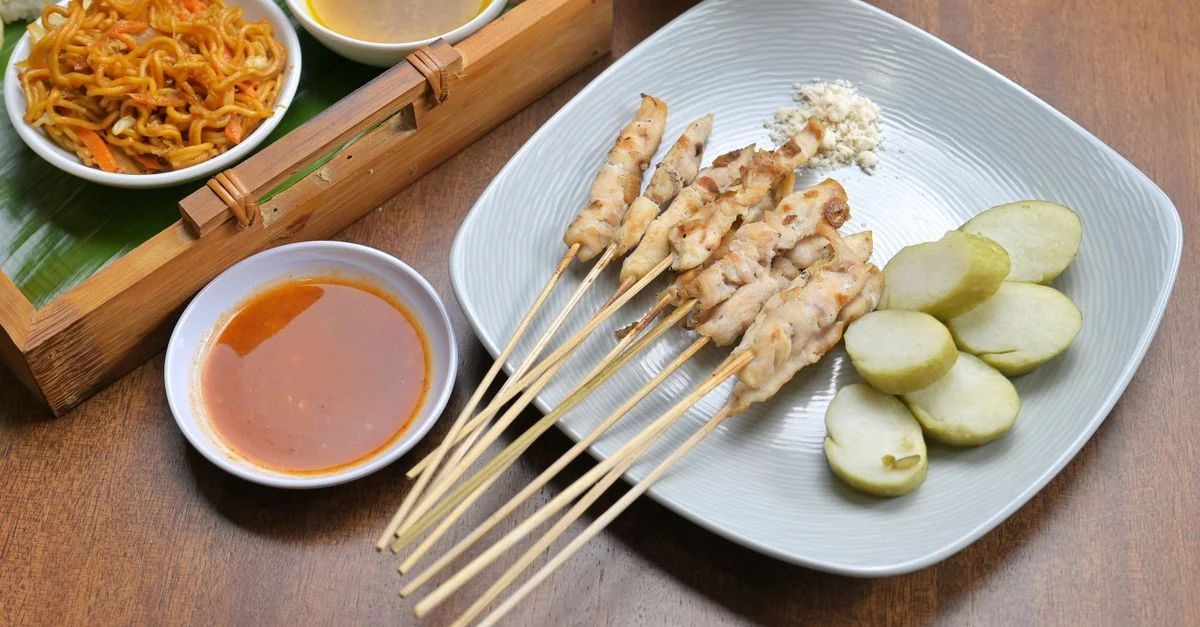
The sharp, heavy scent of roasting coffee beans mixed with woodsmoke hits the back of my throat the moment I step out of the car in the misty highlands of Bali . Up here in Kabupaten Bangli, the air carries a distinct chill that makes every bowl of steaming local soup and every bite of spiced meat taste infinitely better than it does down on the humid coast. I am always chasing that exact morning smell—the damp volcanic earth meeting charcoal and freshly cracked spices. If you want to understand real Balinese flavor away from the beach clubs, this mountainous regency is where you need to point your compass. Why Kabupaten Bangli is a Food Lover’s Paradise # Kabupaten Bangli sits entirely inland, stretching from the rim of Mount Batur down through dense tropical ravines and traditional farming villages. This geographic isolation shapes everything on the plate. Because the soil is volcanic and rich, the produce grown here—from crisp mountain greens to sweet citrus—forms the backbone of traditional Balinese seasoning. When cooks grind up fresh basa genep, the ubiquitous spice paste of garlic, shallots, chili, galangal, and aromatic roots, they use ingredients harvested just down the road. Local dining here relies heavily on slow cooking methods over open fires, infusing duck, pork, and river fish with deep, earthy smoke. You will find small family-run warungs serving dishes unique to the highlands, far removed from the standardized menus of the southern tourist strips. Tip: eat before noon to avoid crowds at the most popular local noodle shops and mountain-view spots.
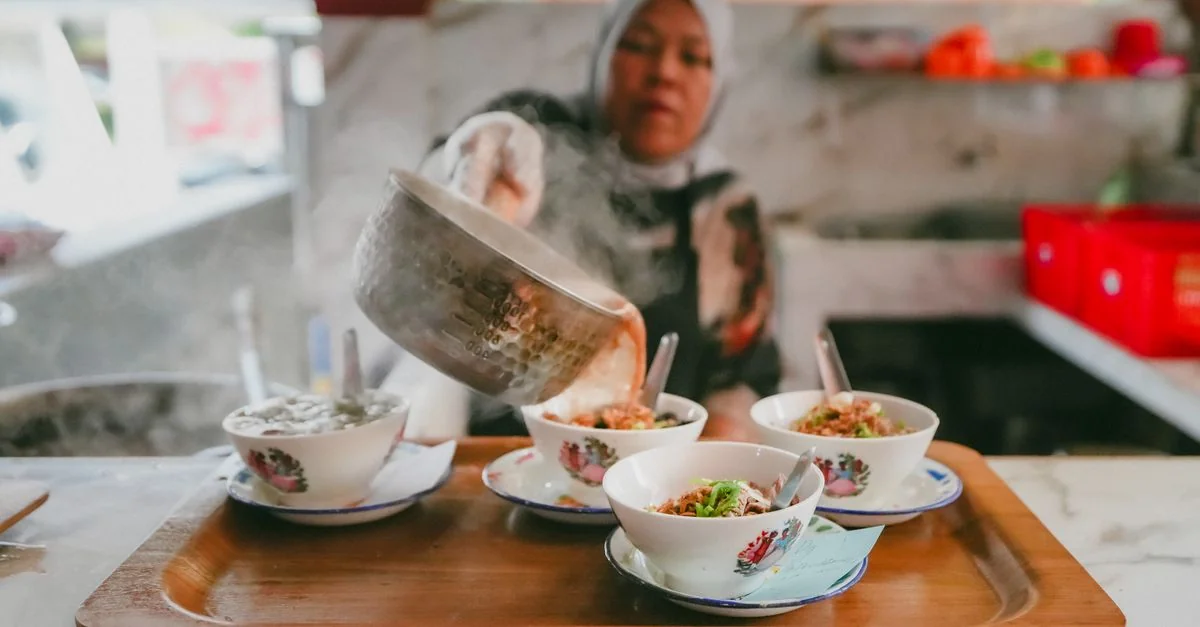
The scent of charred satay smoke drifts through the humid air, mingling with the sharp, citrusy tang of kaffir lime leaves and the deep, earthy aroma of toasted shrimp paste. In Kabupaten Badung , the air itself feels heavy with the promise of a good meal. Whether you are navigating the narrow lanes of Canggu or finding a quiet spot near the coast, the approach to eating here is deliberate and communal. It is a place where every spice paste is ground by hand and every meal serves as a reflection of the island’s agricultural spirit. Why Kabupaten Badung is a Food Lover’s Paradise # Kabupaten Badung offers a distinct approach to island eating that shifts between modern innovation and deep-rooted tradition. You will find that the local approach favors balance, utilizing the “bumbu” spice base—a complex mixture of shallots, garlic, turmeric, ginger, and chilis—that forms the backbone of almost every dish. The landscape here is diverse, ranging from the surf-heavy beaches to the lush interior, and the food follows suit. You might find yourself eating a quick bowl of noodles on a plastic stool in the morning and enjoying a formal, multi-course feast by sunset. The beauty of this region lies in its accessibility; you do not need to look far to find ingredients that were likely harvested just a few miles away.

The heavy, sweet scent of charred oak barrels and fried cornmeal hangs thick in the air, wrapping around every street corner. If your stomach growls the moment you step foot into Jefferson County, you are doing it right. This region relies on deep roots, slow-cooked traditions, and an unapologetic love for corn whiskey. Walking down these blocks means listening to the sizzle of flat tops and dodging the smoke billowing from roadside smokers. I spent my days tracking down grease-stained paper plates and chasing down the absolute best bites this county has to offer. Why Jefferson County is a Food Lover’s Paradise # Food here is a religion, built on a foundation of agricultural abundance and a stubborn refusal to rush anything worth eating. Mornings start with biscuits so buttery they practically disintegrate between your fingers, slathered in sausage gravy that carries a heavy hit of black pepper. Afternoon snacking usually involves pimento cheese scooped up with thick potato chips or hot browns baked until the cheese turns golden and bubbly. The local palate demands bold seasoning, slow braising, and an adherence to recipes passed down through generations.
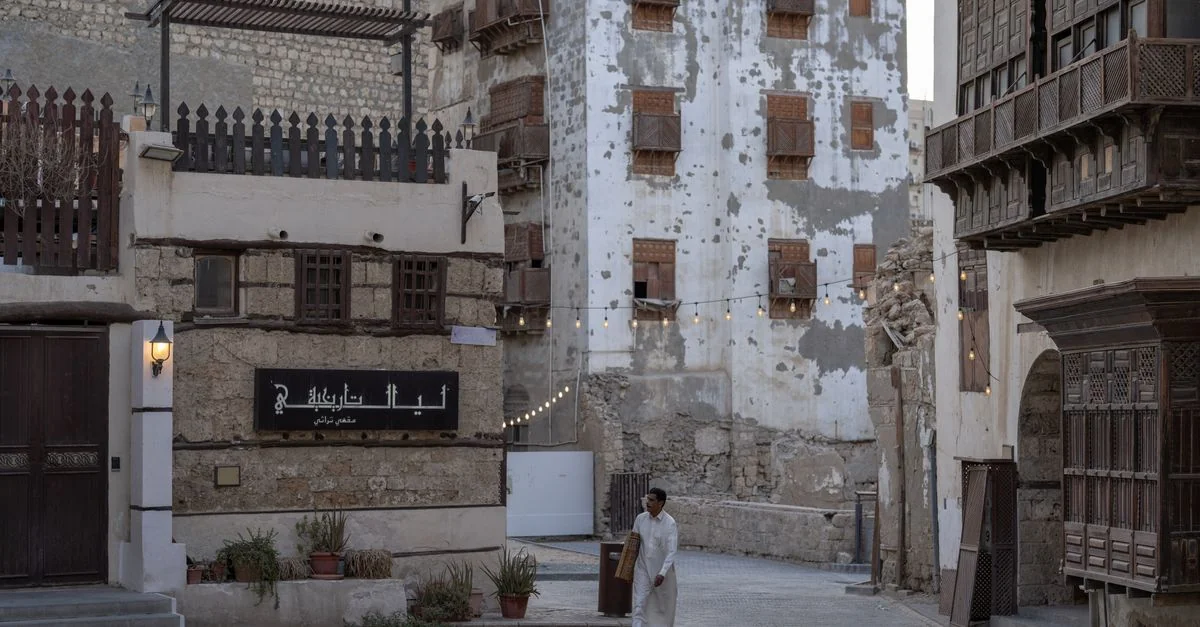
The heavy scent of cardamom and roasting coffee beans hangs thick in the salty Red Sea air, mingling with the sweet, buttery aroma of freshly baked taameem bread. I am wandering through the labyrinthine alleys of Al-Balad, watching a vendor deftly flip thin dough on a hot iron plate while a brass pot bubbles away over glowing coals. This coastal Saudi city operates on a completely different rhythm when it comes to eating. It is a place where centuries-old trade routes intersect with modern ambition, creating a sprawling landscape of spice merchants, open-air markets, and upscale dining rooms. If you want to understand this city, you have to taste it, from the spiced rice dishes served on massive communal platters to the delicate pastries served in air-conditioned heritage houses. Why Jeddah is a Food Lover’s Paradise # Jeddah ’s position as the primary gateway to Mecca has made it a historical melting pot for pilgrims and traders from across the globe, and that history lives on directly in the local diet. Every meal here tells a story of migration, trade, and maritime culture. You will find Yemeni influences in the slow-cooked lamb dishes, Egyptian touches in the daily fava bean breakfast spreads, and East African notes in the heavy use of cloves, cinnamon, and dried limes. The Red Sea itself provides an abundance of fresh catch, from large grouper known locally as najil to succulent shrimp grilled over open flames right on the corniche. Wandering through the old neighborhoods, you notice how the food culture respects tradition while eagerly adopting new flavor combinations. Tip: Always ask for the local catch of the day rather than standard menu options to experience the freshest seafood available.
The heavy scent of roasted coriander, cumin, and curry leaves drifts through the morning air, mixing with the salty breeze rolling off the lagoon. Piles of freshly caught prawns sit on banana leaves at the market, while vendors ladle fiery crab curry into brown paper bags. Jaffna has a distinct flavor profile that separates it entirely from the southern coast of Sri Lanka . Here, Tamil heritage dictates every pot of rice, every glass of palmyra palm juice, and every bite of deep-fried snack sold from roadside carts. Why Jaffna is a Food Lover’s Paradise # Jaffna cuisine carries the weight of history, geography, and distinct regional ingredients. Because of its northern position, the cooking here relies heavily on drumstick leaves, raw mangoes, tamarind, and fiery local chilies. You will find that seafood reigns supreme, with Jaffna crab curry serving as the undisputed king of local dinners. The spice blends are robust, often roasted over wood fires until the aroma fills entire lanes.
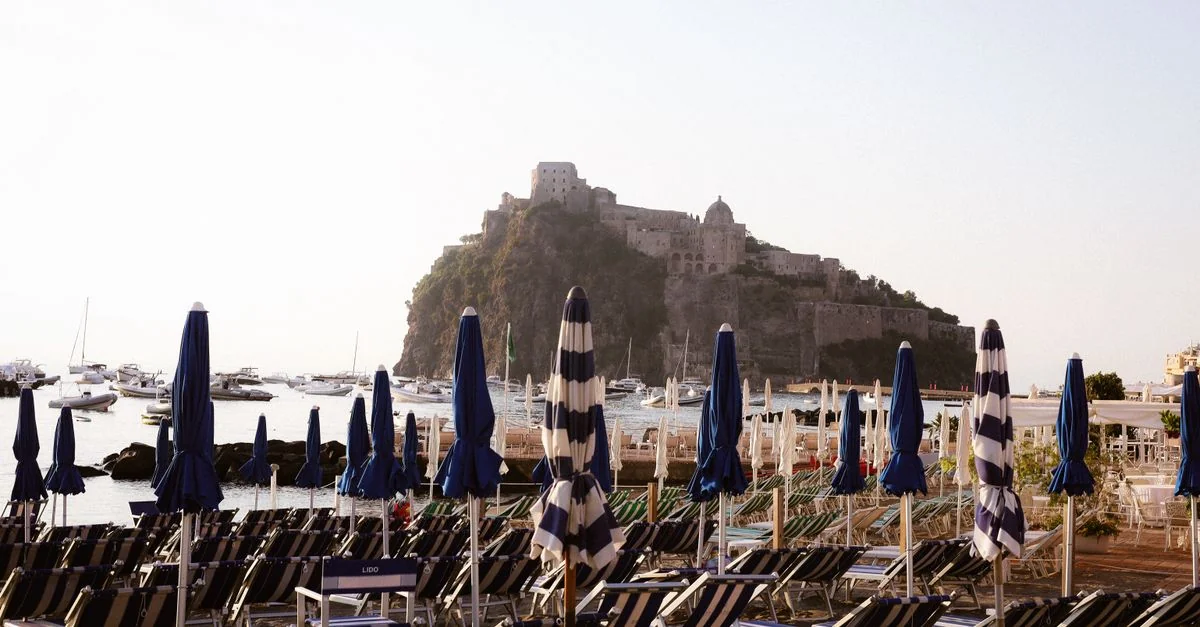
The scent of charred volcanic soil mixed with the sharp, salty tang of the Tyrrhenian Sea greets you the moment you step off the ferry in Ischia . It is a smell that promises depth, history, and a relentless commitment to the earth. Unlike the polished, manicured streets of its neighbor, Capri , Ischia feels rugged and honest. Here, the food is defined by the steep, terraced hillsides where vines cling to the slopes, drawing minerals from the ancient caldera that formed this island. You do not come here for delicate, fussy plating; you come here for the weight of a tomato grown in ash-rich soil and the intensity of wine that has been tempered by the Mediterranean sun. Why Ischia is a Food Lover’s Paradise # Ischia is an island of extremes. The geography dictates the menu, forcing farmers to work small, vertical plots that yield produce with concentrated flavors. The local cuisine centers on the concept of cucina povera, though the term feels inadequate when you are eating rabbit stew, or coniglio all’ischitana, prepared in a traditional clay pot. This dish, often cooked with tomatoes, garlic, and wild herbs gathered from the island’s interior, represents the soul of the place.

The sharp scent of grilled octopus charred over olive wood smoke drifts up the cliffside, mixing sharply with the briny air of the Aegean Sea and the sweet, yeasty aroma of warm loukoumades frying in hot oil down in the winding alleys of Imerovigli . Santorini is famous for its sunsets, but the real magic happens on the plate, where volcanic soil yields tiny, intensely sweet cherry tomatoes, white eggplants, and capers that punch way above their weight. When you walk these caldera paths, your senses are constantly pulled toward tavern kitchens where garlic, oregano, and fresh catch dictate the rhythm of the day. Why Imerovigli is a Food Lover’s Paradise # Perched high on the rim of the caldera, this village offers an eating landscape defined by dramatic views and ancient agricultural traditions. Because the soil is purely volcanic ash and pumice, the crops here struggle for water, resulting in produce with concentrated, standout flavors. You taste this in the local fava—a velvety yellow split-pea purée drizzled with raw olive oil and topped with sweet raw onions—and in the crisp, mineral-driven Assyrtiko wine that cuts right through the richness of fried saganaki cheese. Eating here means understanding how locals coax incredible flavor out of a harsh landscape. Tip: Eat before noon to avoid crowds at popular caldera-edge bakeries and secure the freshest morning pastries.
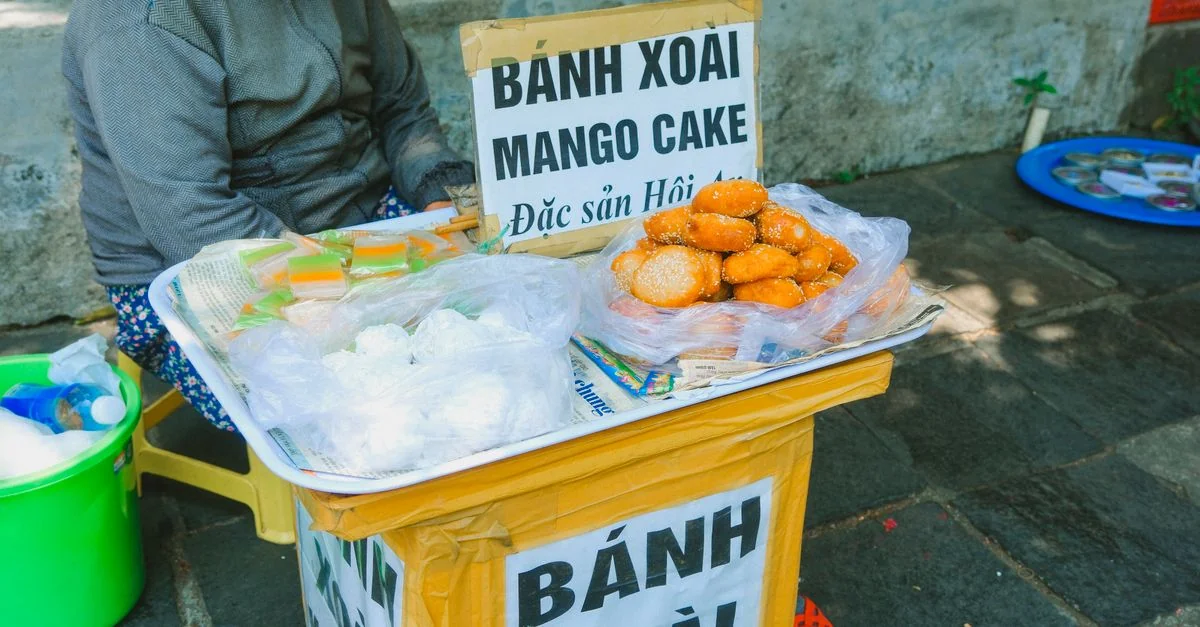
The heavy, fragrant haze of charcoal-grilled pork, fresh lemongrass, and fish sauce hangs thick over the narrow yellow alleyways of the old town as dusk settles. Motorbikes buzz past like angry hornets, but my nose is firmly locked onto a street vendor hunched over a steaming aluminum pot of cao lầu noodles. If you think you know Vietnamese cuisine from your local noodle shop back home, eating your way through central Vietnam will completely rewire your expectations. Every corner reveals a new smell, from toasted sesame rice crackers to sweet corn pudding bubbling in battered woks. Why Hội An is a Food Lover’s Paradise # Central Vietnamese cooking stands apart from the northern phở traditions and the southern sweet-heavy street plates. Here, the flavors punch harder, relying on local herbs plucked straight from Trà Quế village, fiery bird’s eye chilies, and rich pork broths flavored with lye water sourced from ancient Cham wells. You sit on plastic blue stools that barely clear your knees, watching families grind rice flour and shape white rose dumplings with nimble fingers honed over generations. The town’s historic trading port roots bleed directly into the kitchen, blending Chinese, Japanese, and French colonial influences into dishes you cannot replicate anywhere else on earth.
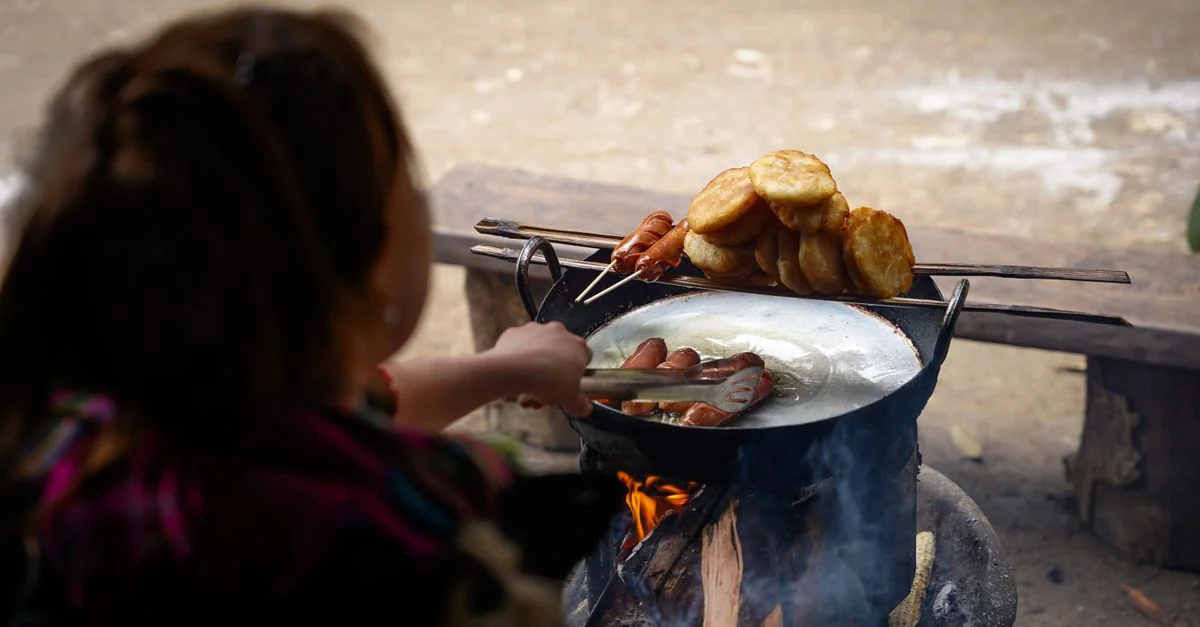
The heavy, sweet aroma of condensed milk dripping over dark roast robusta beans hangs thick in the humid morning air, mingling with the sharp, savory scent of simmering bone broth from a corner noodle cart. This is the sensory reality of waking up in the center of Da Nang , where every alleyway promises a fresh discovery for the hungry traveler. I spent weeks wandering these streets, following my nose past open-air grills and crowded plastic stools, searching for the true essence of central Vietnamese cooking. Why Hải Châu District is a Food Lover’s Paradise # This district serves as the beating heart of Da Nang, where historic traditions crash directly into modern urban development. Sitting right along the Han River, the neighborhood brings together coastal seafood traditions and rich central heritage recipes that differ distinctly from the food found in Hanoi or Ho Chi Minh City . You will find bowls of turmeric-stained mi quang noodles loaded with shrimp, pork, and crunchy peanuts, alongside stalls grilling pork skewers over glowing coals. The neighborhood thrives on morning markets and late-night food stalls where locals gather on tiny red plastic chairs to share meals and stories.