
The heavy, fragrant steam of star anise, cinnamon, and slow-simmered beef bones hangs thick in the humid morning air. Walking down a residential alley in Guilin , I am immediately drawn toward a corner stall where a vendor uses long wooden chopsticks to toss rice noodles in a clear, fiery broth, topping the bowl with crispy fried soybeans, pickled sour bamboo shoots, and thin slices of cured beef. That sharp, fermented tang of the bamboo combined with the rich, earthy warmth of bone broth defines my initial introduction to Guangxi flavors. This autonomous region in southern China sits at a crossroads of geography and ethnicity, blending Cantonese freshness with the bold, tongue-numbing heat and sour notes favored by the local Zhuang, Yao, and Dong populations. If you approach travel through your stomach, this landscape of jagged karst mountains and winding rivers offers an intensely flavorful itinerary that rewards curiosity. Why Guangxi is a Food Lover’s Paradise # Food in this part of China tells a story of topography and climate. Because the region features subtropical heat and heavy rainfall, sour and spicy flavors developed historically to stimulate flagging appetites and preserve ingredients before the days of reliable refrigeration. Local cooks turn ordinary pantry staples into complex masterpieces. You encounter fermented chili pastes, pungent river fish, and wild mountain herbs at almost every corner. The signature dish, Guilin rice noodles, serves as the ultimate morning ritual. Locals queue up at neighborhood holes-in-the-wall to order mifen, eating them dry with gravy first before pouring a ladle of hot bone broth into the remaining bowl to slurp down the flavorful dregs.
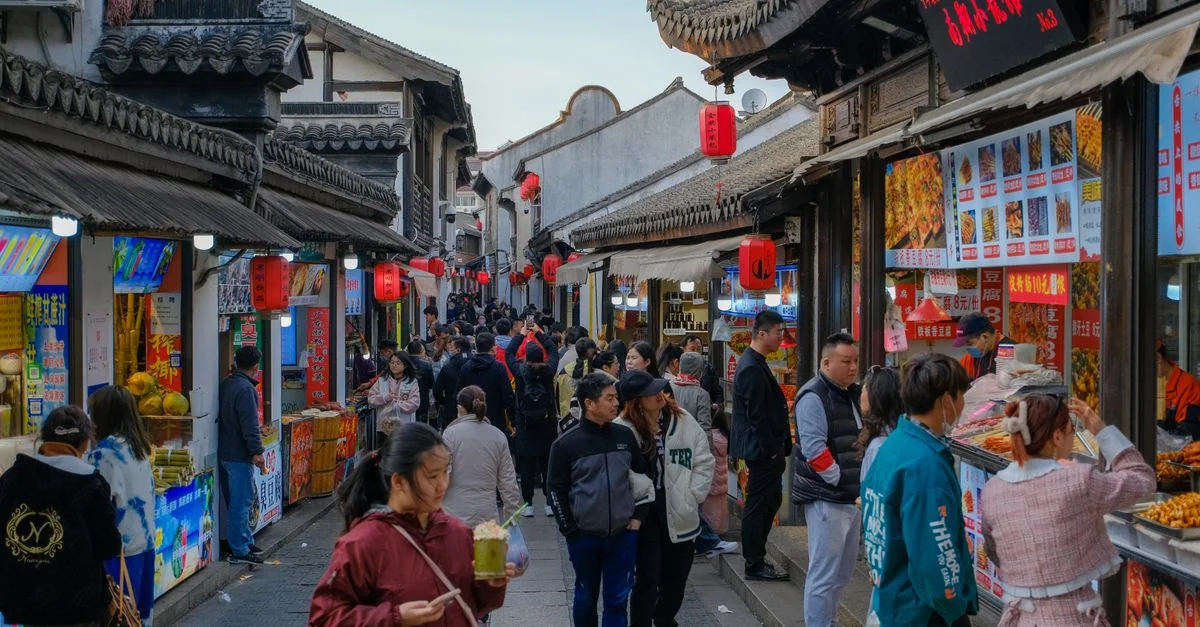
The heavy, comforting aroma of toasted sesame oil mixed with the sharp punch of fermented black beans drifts out of a tiny alleyway, immediately waking up my appetite long before I even spot the kitchen. Guang Dong Sheng is a sprawling province where eating is practically a competitive sport, and every street corner smells like another round of freshly steamed dumplings or roasting meats. If you want to understand the heartbeat of this region, you have to follow your nose past the glossy malls and straight into the residential lanes where family recipes have been guarded for generations. Why Guang Dong Sheng is a Food Lover’s Paradise # Cantonese cooking is famous across the globe for its strict dedication to ingredient freshness, letting natural flavors shine rather than masking them in heavy, overpowering sauces. Morning tea traditions set the rhythm of the day here, where locals gather around clinking porcelain pots of oolong and bamboo steamers piled high with translucent shrimp dumplings. You find yourself wandering past butcher windows hung with mahogany-lacquered roast geese, their crispy skin dripping juices over beds of plain white rice. The regional obsession with texture—known locally as kq—means every dish offers a deliberate interplay between crisp, tender, gelatinous, and firm components.
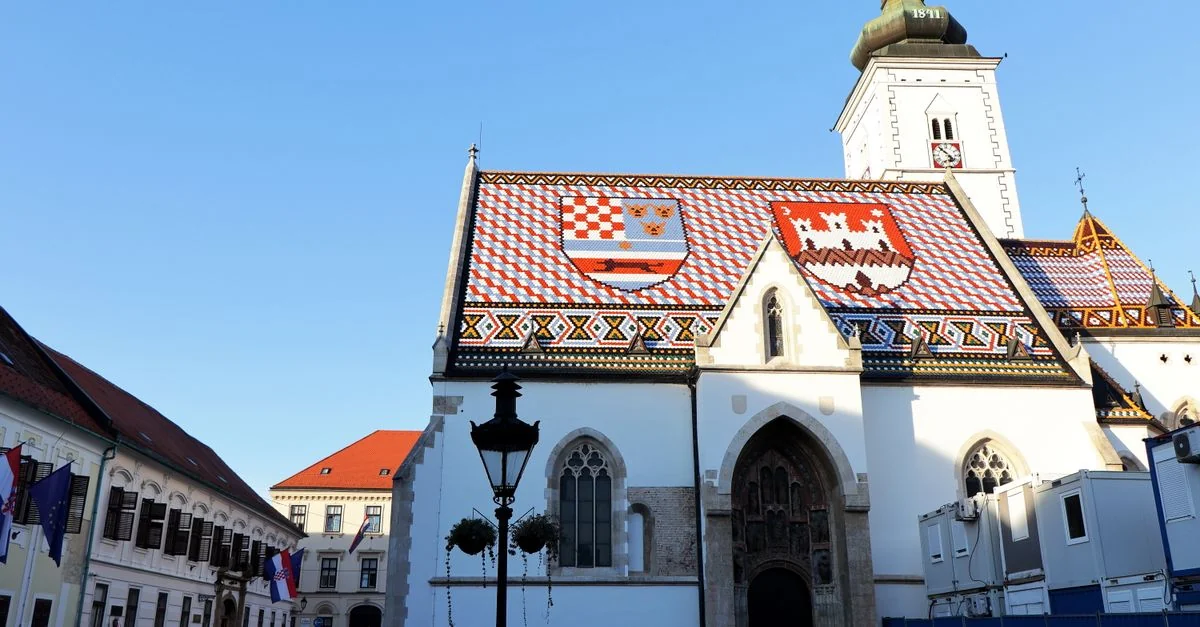
The heavy scent of roasted chestnuts drifts from a cart parked near the corner of Jelačić Square, cutting right through the crisp morning air. Moments later, that aroma mixes with the sharp, yeasty tang of sourdough rising from a nearby bakery, and I know immediately I am in dangerous territory for my waistband. If you approach Croatia only through its sun-drenched southern coastline, you are missing out on the hearty, comforting soul of the capital. Grad Zagreb holds a distinct culinary identity shaped by Austro-Hungarian tradition and rustic Balkan warmth. Why Grad Zagreb is a Food Lover’s Paradise # Walking through the Dolac market feels like stepping into the personal kitchen of every resident in the city. Crimson red umbrellas shade rows of farmers selling everything from pungent, aged Pag cheese to jars of fiery ajvar and freshly harvested walnuts. The local palate here celebrates slow-cooked meats, rich stews, and dough in all its glorious forms. You will find štrukli—baked or boiled dough stuffed with fresh cottage cheese—on nearly every menu, and honestly, you should order it at every single opportunity. The city’s food culture bridges the gap between Central European precision and Mediterranean generosity, resulting in comforting plates that demand a leisurely pace. Tip: Eat before noon to avoid crowds at the local markets.
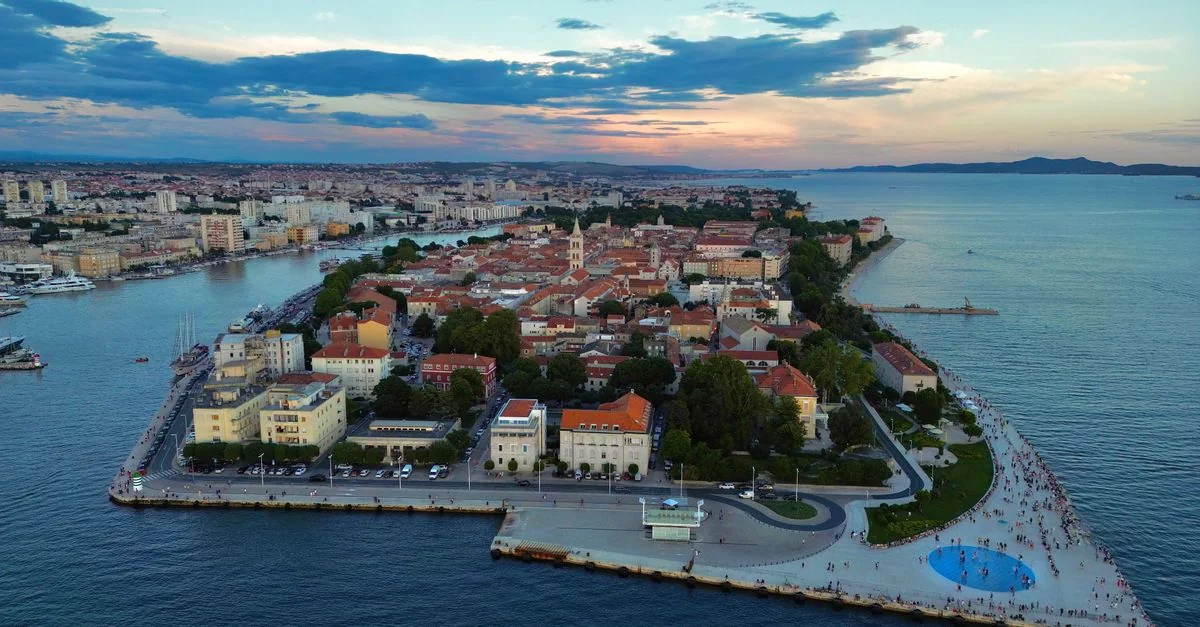
The scent of grilled sardines and sharp, briny olives hangs heavy in the air as you walk through the Roman Forum in Zadar . It is a smell that defines the Dalmatian coast, mixing the salt of the Adriatic with the woodsmoke of local konobas. Walking these limestone streets, you realize that the history of this city is written not just in stone, but in the recipes passed down through generations. To understand Zadar, you have to taste it, from the bite of local sheep’s milk cheese to the sweet, herbal finish of Maraschino liqueur. Why Grad Zadar is a Food Lover’s Paradise # Zadar sits at a unique intersection of Mediterranean influence and Balkan tradition. Because the city is surrounded by both fertile inland plains and the deep, cold waters of the Adriatic, the ingredients here are exceptionally fresh. You will find that the local diet relies heavily on what is caught that morning or harvested from the nearby hills. Olive oil production is a point of immense pride here, and you will notice that even the simplest bread and oil starter at a local tavern tastes superior to what you might find elsewhere.
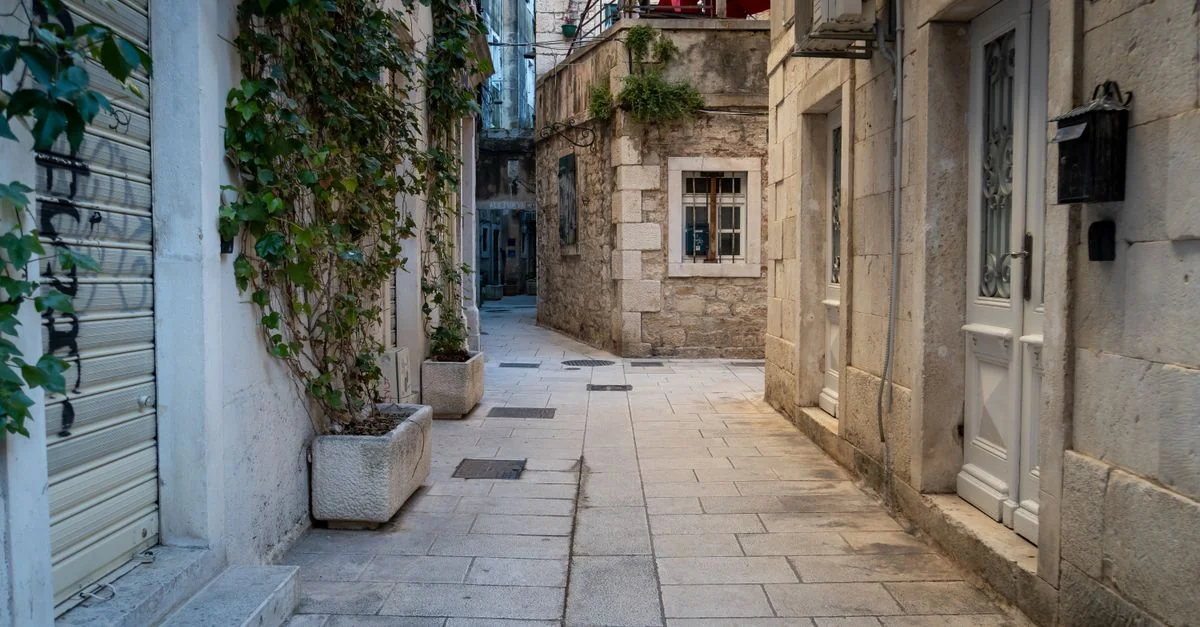
The sharp, heavy scent of salted sardines hitting a hot iron griddle drifts across the marble alleys, mixing with the sharp tang of aged sheep cheese and roasting garlic. Smoke curls from open doorways tucked deep within Roman limestone, pulling me toward the heart of the old town before I have even checked into my room. If your idea of travel revolves around what ends up on your plate, this ancient Roman fortress city on the Adriatic coast is an absolute revelation. Why Grad Split is a Food Lover’s Paradise # Walking through Diocletian’s Palace feels less like touring a museum and more like stepping into a living, breathing pantry where people have cooked, cured, and gathered for seventeen centuries. The local diet here is unapologetically tied to the sea and the rugged limestone hills of the Dalmatian hinterland. You smell rosemary and olive oil at every turn, drifting from tiny konobas—traditional neighborhood taverns—where recipes have been passed down through generations without a single measurement written on paper.

The sharp, irresistible scent of frying haggis fat and fresh malt vinegar hits me the second I step off the train into the Scottish air. Glasgow pulls you right into its gritty, delicious rhythm before you even drop your bags at the hotel. This city is loud, unapologetically direct, and full of flavor if you know where to look beyond the standard pub fare. Why Glasgow City is a Food Lover’s Paradise # Glasgow is undergoing a quiet culinary revolution that refuses to whisper. Forget the old stereotypes of deep-fried Mars bars; today’s local food scene spans from historic corner pubs pouring heavy stouts to innovative street food markets set inside repurposed industrial spaces. You taste the Clyde in the fresh seafood brought up from the west coast daily, and you feel the warmth of the commonwealth in the lively curry houses scattered across the neighborhoods. The local palate demands hearty portions, but the modern cooks here balance that tradition with sharp, global techniques. Tip: Eat before noon to avoid crowds at the most popular bakeries and morning roll shops in the Merchant City.
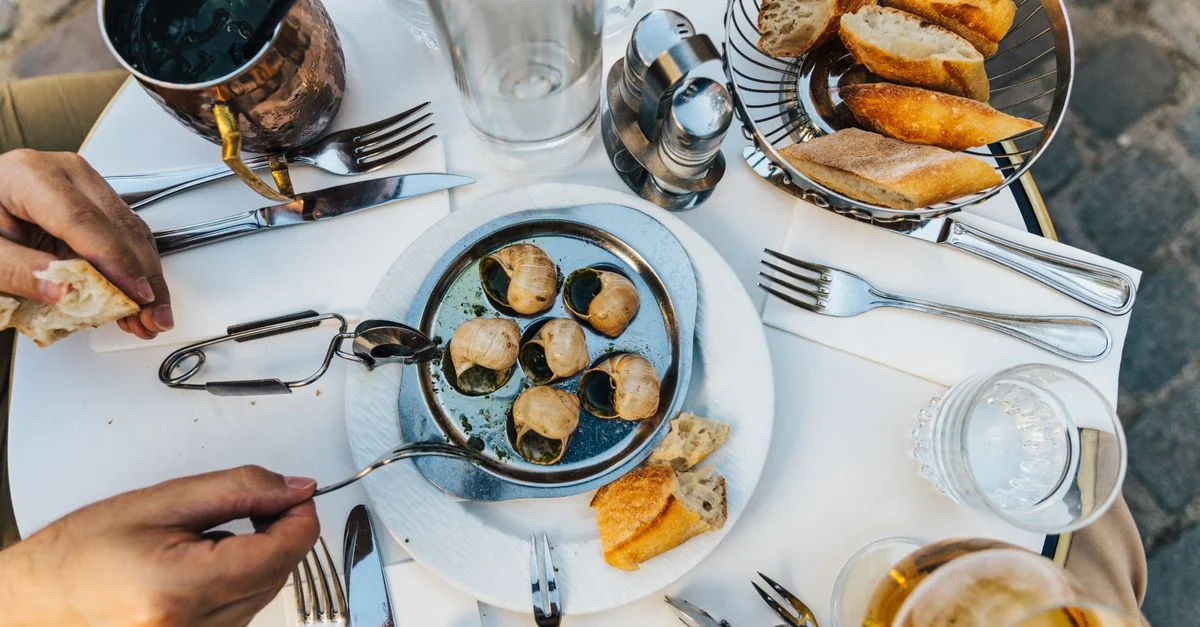
The scent of warm, yeasty baguette crust hitting the morning air on Rue de Bretagne is enough to stop any traveler in their tracks. It is a sharp, buttery aroma that signals the start of a proper day in the city, where the simple act of buying a loaf becomes a ritual. Paris is a city built on the foundation of quality ingredients and a stubborn refusal to compromise on flavor, making it a dream for anyone who prefers their travel memories to be edible. Why Paris is a Food Lover’s Paradise # Paris functions as a massive, open-air laboratory for the palate. You can walk from a stall selling paper cones of frites to a cellar dedicated entirely to the science of aging Comté, and everything in between feels intentional. The local culture prioritizes the lunch hour, treating it as a sacred pause rather than a logistical hurdle. This respect for the table is why the city sustains such a high density of specialized food experiences, ranging from casual street-side nibbles to structured tasting sessions.
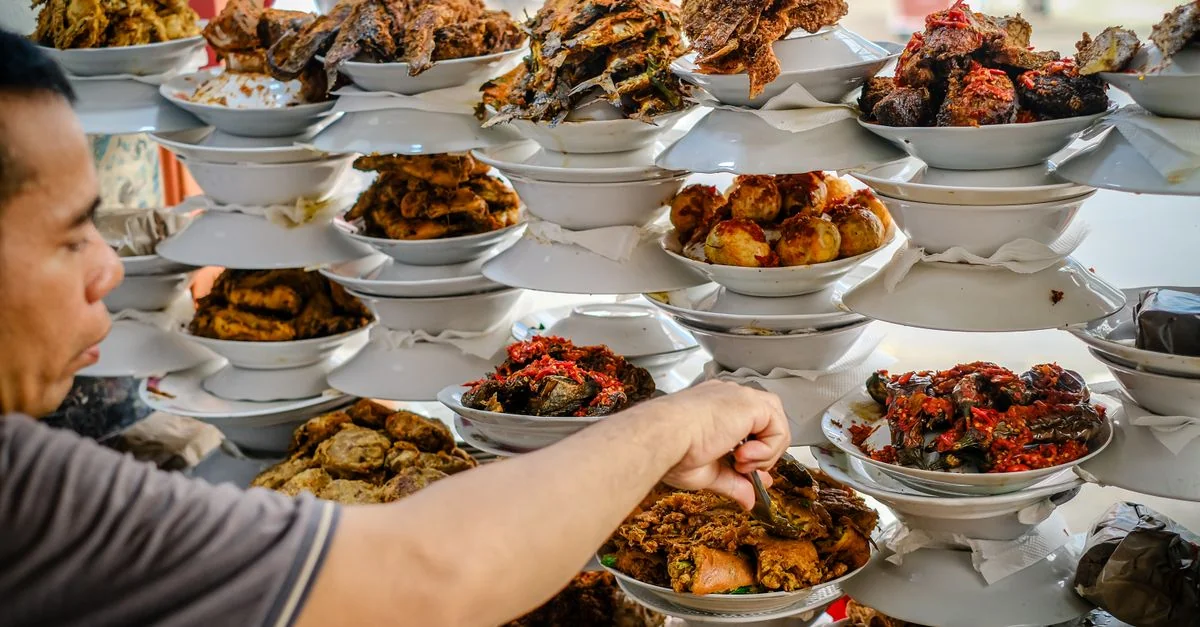
The scent of charred coconut husks and toasted spices hangs heavy in the humid air of Gianyar Regency. As the sun dips behind the terraced rice fields, the aroma of slow-cooked meats seasoned with pungent ginger and turmeric rises from small family kitchens. This is a place where the connection between the land and the plate remains unbroken, offering a raw, unfiltered look at Balinese food culture that feels miles away from the polished resorts of the southern coast. Why Gianyar Regency is a Food Lover’s Paradise # Gianyar serves as the cultural heart of Bali , and its food reflects that deep-rooted heritage. Unlike the international menus found in crowded beach towns, the kitchens here prioritize local ingredients like galangal, lemongrass, and freshly harvested chilies. You will find that the traditional cooking methods, often involving open fires and clay pots, impart a depth of flavor that is difficult to replicate elsewhere. The region is defined by its agricultural landscape, meaning your vegetables are often picked just hours before they reach your table.
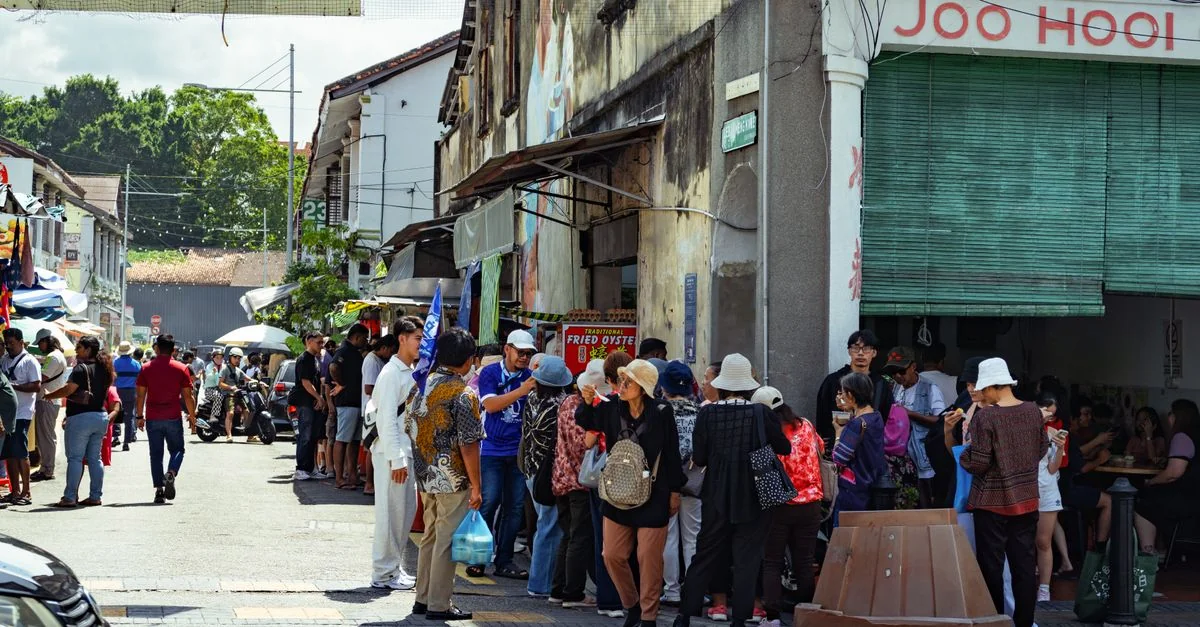
The scent of charred fat and garlic hits you the moment you step onto the sidewalk in George Town . It is a heavy, intoxicating perfume of pork lard, fermented shrimp paste, and toasted spices drifting from the open-air kitchens that line the narrow streets. In this corner of Penang , the air itself feels seasoned, carrying the history of generations who perfected the art of the hawker stall. You do not just eat here; you navigate a landscape of flavor where every street corner promises a bowl of noodles or a skewer of grilled meat that has been perfected over decades. Why George Town is a Food Lover’s Paradise # George Town functions as a living laboratory for the evolution of Southeast Asian cuisine. The city acts as a convergence point for Malay, Chinese, and Indian influences, resulting in a flavor profile that you cannot find anywhere else. You will find yourself debating the merits of a specific laksa broth at breakfast and hunting down the perfect char kway teow by dinner. The beauty of the local scene lies in its accessibility. You do not need white tablecloths to find the best food in the city. Often, the most memorable meals are served on plastic stools under the dim glow of fluorescent lights, where the cook has been standing over the same wok for thirty years.
The air in Edinburgh doesn’t just smell of rain and old stone; it carries the heavy, comforting scent of roasted root vegetables, slow-cooked lamb, and the sharp, tangy bite of haggis. It is a smell that hits you the moment you step out of the castle gates and into the narrow closes of the Old Town. For a traveler whose primary compass is set by taste buds rather than landmarks, this city is a sensory puzzle waiting to be solved. But unlike other European capitals where street food carts line every corner or Michelin-starred restaurants dot the map, Edinburgh offers a more intimate, hands-on approach to understanding its culinary heritage. The food scene here is not about quick bites or flashy presentations; it is about tradition, technique, and the deep-rooted history of Scottish ingredients. If you are looking to understand what makes Scottish cuisine tick, you need to look beyond the tourist menus and get your hands dirty in the kitchen. Why Edinburgh is a Food Lover’s Paradise