The heavy scent of toasted sesame oil and steaming pork broth hangs thick in the air, pulling me straight toward the kitchen doors. When I wander through Mecklenburg County, my nose always leads the way. This region of North Carolina might not have the old-world street food pedigree of other Southern hubs, but its modern table leans hard into inventive global flavors mixed with Carolinian hospitality. Why Mecklenburg County is a Food Lover’s Paradise # The local food scene here thrives on a strange and wonderful collision of traditional barbecue joints and contemporary culinary labs. On any given afternoon, you can smell slow-smoked hickory fading into the sharp tang of fermented chili paste from a newly opened dumpling shop. Neighborhoods like Plaza Midwood and NoDa serve up everything from Carolina-style pulled pork slathered in vinegar to complex international street eats that rival larger coastal cities.
Smoke from kiawe wood and the heavy, sweet scent of overripe pineapple hang thick in the warm island air, greeting you the moment you step off the plane in Maui County. My stomach rumbles instantly. I chase that initial scent down dusty red-dirt roads and past rows of rusting sugarcane to find the real heart of the islands. Forget standard resort buffets. I want the charred edges of huli huli chicken, the sticky, purple smear of fresh taro poi, and the briny pop of freshly harvested opihi eaten straight from the rocks with a squeeze of key lime. Why Maui County is a Food Lover’s Paradise # Island cuisine here is a living archive of plantation history, Polynesian voyaging, and modern farming. You taste it in the sweet Maui onions grown in the volcanic soils of Upcountry, and in the buttery slabs of fresh ahi poke scooped from simple roadside coolers. Every meal tells a story of the people who worked these steep valleys and fished these deep blue channels.
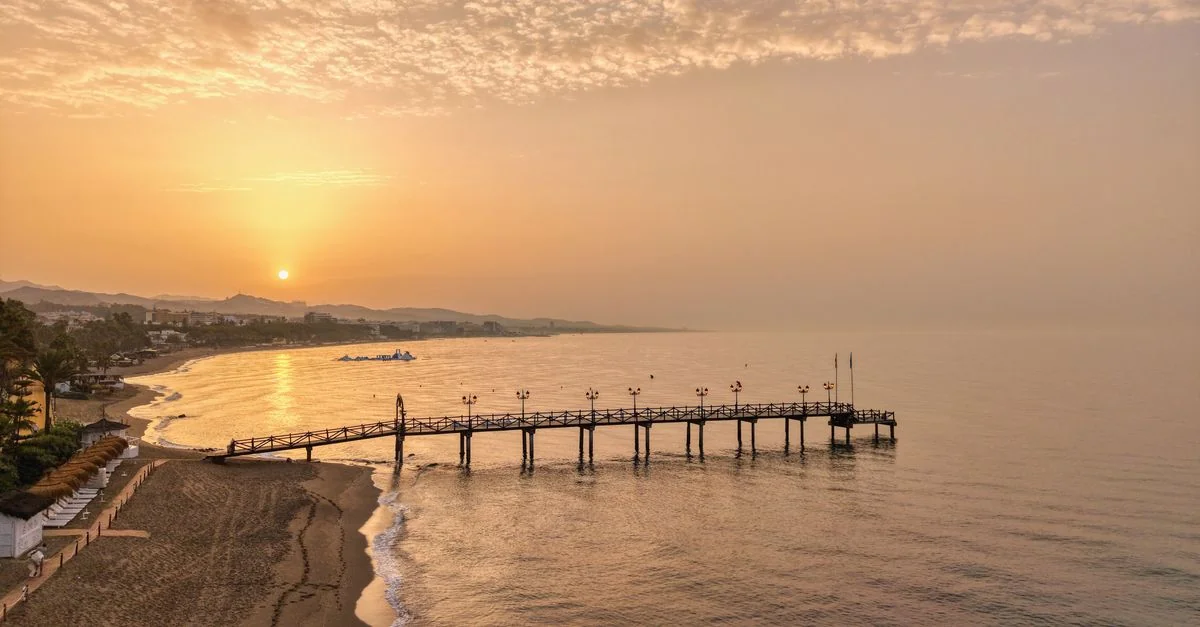
The sharp, stinging scent of charred oak wood drifts off the charcoal grills lining the beach, mixing heavily with the briny, iodine-rich perfume of fresh sardines roasting on skewers in the sand. I am standing in the sun-bleached lanes of the old town, watching an old man flick flakes of flaky sea salt over glistening red mullet while sweat beads on his forehead. This coastal stretch of the Costa del Sol is defined by the sharp hiss of garlic hitting hot olive oil and the dry, mineral bite of chilled white wine poured from heavy ceramic pitchers. Why Marbella is a Food Lover’s Paradise # Beyond the polished yachts bobbing in Puerto Banús, a deeply traditional Andalusian food culture quietly thrives behind whitewashed walls. Mornings here start with the scent of freshly fried dough at local churrerias, where locals dip crisp, ridged sticks into thick, molten chocolate that coats the back of a spoon. Lunch stretches long into the afternoon, anchored by bowls of cold, garlic-laced tomato soup known as salmorejo, topped with bits of cured jamón ibérico and hard-boiled egg. The heavy reliance on seafood comes straight from the Mediterranean, where boats land daily with catches of octopus, sea bass, and squid destined for neighborhood tables.

The sharp, pungent sting of fermented shrimp paste hits my nose the second I step onto the sidewalk, competing immediately with the rich, caramelized aroma of pork fat rendering over a roaring charcoal fire. Beads of sweat form instantly on my forehead in the equatorial humidity, but I do not care. My eyes lock onto an uncle standing over a massive wok, his arm moving in a rhythmic, practiced blur as he tosses flat rice noodles with bean sprouts, chives, and plump cockles. This is the sensory reality of eating my way through the country, where every street corner smells of lemongrass, galangal, and burning hardwood. Why Malaysia is a Food Lover’s Paradise # Eating here is an exercise in cultural anthropology told entirely through spice pastes, noodle widths, and wok hei—the breath of the wok. You walk down a single lane in Penang or Kuala Lumpur and cross centuries of migration in the span of three steps. Hokkien noodle sellers stand next to Tamil curry houses, which sit across the alley from Malay satay grillers fanning smoke with woven palm fronds. The breakfast table might feature coconut milk rice wrapped in a banana leaf, while lunch is a sour tamarind fish broth loaded with pineapple chunks.

The scent of toasted semolina flour and crushed olives hangs heavy in the air as you navigate the winding, limestone staircases of MT. It is a place where the history of the earth feels etched into every wall, and the food reflects that ancient, rugged simplicity. You are not just eating here; you are participating in a cycle of agriculture and tradition that has remained largely unchanged for centuries. Whether you are ducking into a cool, subterranean chamber for a meal or sitting among the gnarled trunks of an olive grove, the flavors here are earthy, bold, and unapologetically local. Why MT is a Food Lover’s Paradise # MT is defined by its relationship with the land. The cuisine relies on what the Murgia plateau provides: durum wheat, legumes, wild chicory, and high-quality olive oil. You will find that the bread here is legendary, often baked in wood-fired ovens that have been in families for generations. The way the city is built—into the rock itself—means that dining often happens in spaces that were once homes or stables, providing a unique acoustic and thermal experience that you cannot find anywhere else.

Thick spirals of rich pork fat melting into hot egg pasta scent the air, carrying the unmistakable aroma of aged Parmigiano-Reggiano and sharp, dark balsamic vinegar that lingers on the breeze outside every osteria in Modena . This city, sitting quietly in the fertile plains of Emilia-Romagna, smells like centuries of patience and butter. When you walk these ancient brick-paved streets, your stomach immediately takes charge of your itinerary. Why MO is a Food Lover’s Paradise # Modena is the heavyweight champion of Italian gastronomy, even if locals treat their legendary status with casual humility. This is the birthplace of tortellini, the spiritual home of slow-cured prosciutto, and the exclusive source of authentic traditional balsamic vinegar. Every meal here feels like an initiation into a secret society that values slow-simmered ragù above all else. You will find neighborhood trattorias where grandmothers still roll dough by hand every single morning, alongside innovative kitchens that earned global fame by reimagining those exact same traditions.

The heavy, comforting scent of warm semolina flour mixed with rich egg yolks hangs thick in the kitchen air, drowning out the exhaust fumes drifting in from the Pacific Coast Highway. Los Angeles County smells like roasting chilies at dawn, charred carne asada at midnight, and freshly rolled pasta dough worked by hand in sunlit neighborhood kitchens. This sprawl of concrete, palm trees, and ocean breezes holds a massive web of flavors, driven by immigrant communities who brought their grandmothers’ recipes across oceans and state lines. You can taste centuries of tradition on a single paper plate in a strip mall parking lot or watch dough stretch thin beneath the hands of a neighborhood expert. Why Los Angeles County is a Food Lover’s Paradise # Los Angeles County operates as a patchwork of distinct culinary microclimates. Drive twenty minutes from downtown, and you cross from authentic Sichuan boiling fish to Oaxacan moles smelling of bitter chocolate and toasted pumpkin seeds. The county thrives on strip malls that harbor Michelin-recognized kitchens next to unassuming taco trucks. Neighborhoods like Koreatown, Boyle Heights, and San Gabriel tell stories of migration and hard work through spices, broths, and baking techniques.
Smoke from charcoal grills hangs thick over the pavement, carrying the sharp, savory aroma of charred goat meat and fermented peanut paste into the humid morning air. Women sit behind low wooden tables stacked high with fried dough, while vendors balance metal basins of grilled corn on their heads. This is the sensory reality of eating in the Togolese capital, a city where the Atlantic breeze mixes constantly with the scent of red palm oil and toasted spices. Why Lome is a Food Lover’s Paradise # West African cooking relies heavily on patience, smoke, and an intuitive balance of heat and umami. In this coastal city, the daily menu is shaped by both the ocean and the fertile lands stretching north toward the savanna. Mornings start with the sharp scent of freshly brewed local coffee and sweet beignets, quickly shifting by midday to heavy pots of green herb stews, okra sauces, and fermented cassava products.

The scent of woodsmoke and charred maize hangs heavy in the air as the sun dips below the horizon near the Zambezi. It is a smell that defines my evenings here, signaling the start of a slow, deliberate approach to dinner. In Livingstone , food is not just sustenance; it is a social ritual that connects visitors to the rhythm of local life. While many travelers head straight for the river cruises, those who prioritize their palates find that the most authentic connections happen inside private homes, away from the standard hotel buffets. Why Livingstone is a Food Lover’s Paradise # Livingstone sits at a unique intersection of tradition and geography. The local diet relies heavily on seasonal produce, fresh river fish, and the staple of nshima, a dense cornmeal porridge that anchors almost every meal. What makes this city interesting for someone who travels to eat is the way ingredients are treated with respect. You will find that the kitchens here focus on slow-cooked stews, groundnut sauces, and leafy greens that have been harvested just hours before hitting the plate.

The scent of woodsmoke and roasting game fills the air the moment you step outside in Levi . It is a sharp, clean smell that signals the start of a meal centered around the rugged landscape of Finnish Lapland. Here, the food is defined by the seasons and the forest, relying on ingredients like cloudberries, wild mushrooms, and reindeer. When you sit down to eat in this part of the world, you are tasting the history of the north, where preservation and slow-cooking are not just trends, but necessities for survival. Why Levi is a Food Lover’s Paradise # Levi sits in the heart of Finnish Lapland, a region where the kitchen revolves around what can be gathered or caught. You will find that the local approach to dining is humble yet deeply satisfying. Chefs here do not rely on complex sauces or heavy seasoning; instead, they let the quality of the venison or the sweetness of arctic berries speak for themselves. The dining culture is quiet and focused, often taking place in wooden cabins that feel miles away from the rest of the world.