📌 Disclaimer
Prices, schedules, tour details, flight routes, visa requirements, and all other information on this page are based on data at the time of writing. Fares, availability, and policies may change. Please verify current details on the official website before booking.
Why Guangxi is a Food Lover’s Paradise#
Food in this part of China tells a story of topography and climate. Because the region features subtropical heat and heavy rainfall, sour and spicy flavors developed historically to stimulate flagging appetites and preserve ingredients before the days of reliable refrigeration. Local cooks turn ordinary pantry staples into complex masterpieces. You encounter fermented chili pastes, pungent river fish, and wild mountain herbs at almost every corner. The signature dish, Guilin rice noodles, serves as the ultimate morning ritual. Locals queue up at neighborhood holes-in-the-wall to order mifen, eating them dry with gravy first before pouring a ladle of hot bone broth into the remaining bowl to slurp down the flavorful dregs.
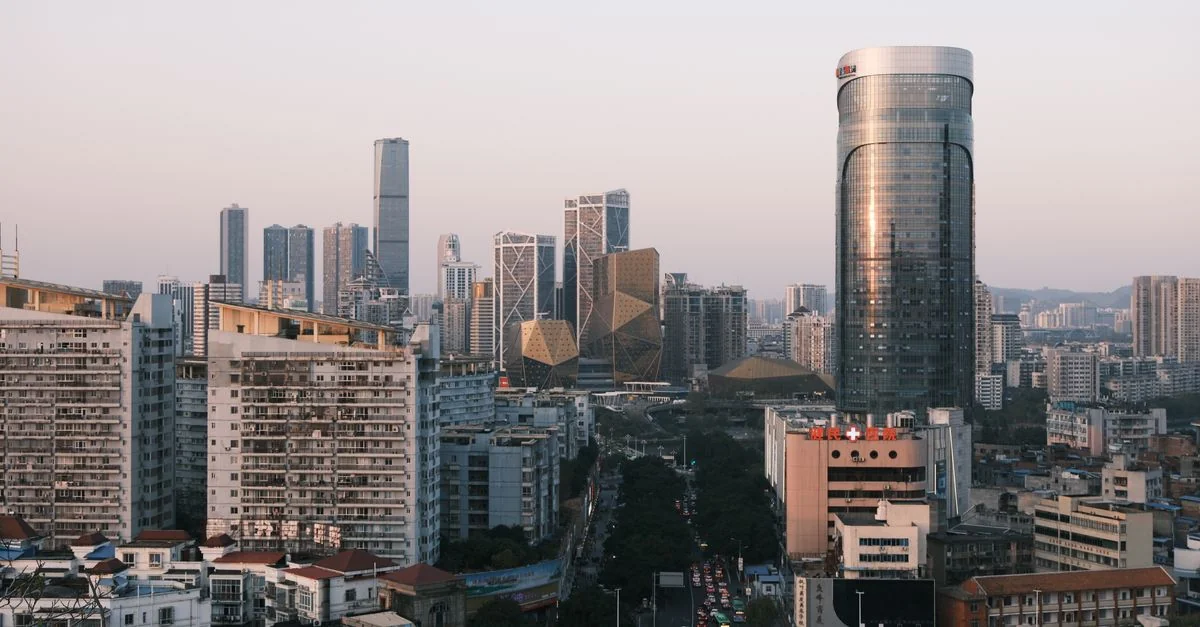
Beyond the noodles, ingredients sourced straight from the surrounding limestone peaks and karst rivers dictate regional cooking. Stuffed river snails, lotus root soup, and beer fish from the Li River form the pillars of local dining. Every meal feels grounded in the immediate environment. You taste the damp earth of the mountains in the mushrooms and the mineral-rich waters of the rivers in the catch of the day.
Tip: Eat before noon to avoid crowds at popular noodle shops, as locals treat these spots as a dedicated morning ritual and tables fill up rapidly by 11 AM.
Hands-On Cooking Classes#
While eating your way through the streets satisfies immediate cravings, understanding how these distinct flavors come together requires getting your hands dirty in a kitchen or on a farm. The standout option for travelers looking to engage directly with local agriculture is the Guilin Tea Picking and Processing Yangshuo Qixian Peak, priced at $14. This immersive experience takes you up into the misty slopes of Qixian Peak in Yangshuo, where you learn the delicate art of selecting young tea leaves straight from the bushes. You follow the traditional processing methods, from pan-firing to rolling, gaining a deep appreciation for the infusions that accompany every single meal in the region.

Navigating the steep trails and working over hot processing pans requires comfortable clothing that you do not mind getting a bit earthy. Wear breathable fabrics and sturdy walking shoes because the mountain terrain demands some physical effort before you ever sit down to enjoy the fruits of your labor. Engaging with the farmers here provides context for how geography influences flavor, particularly how the mist-shrouded mountain microclimate yields such distinct green and black teas.
Tip: Wear comfortable walking shoes and lightweight clothing because the mountain terrain requires steady movement before you reach the processing stations.
Best Deals on Food Tours#
Traveling on a budget does not mean sacrificing authentic culinary encounters, especially when the region offers remarkable value for hands-on activities. When looking at the financial layout of available experiences, the single standout option on offer is the Guilin Tea Picking and Processing Yangshuo Qixian Peak, priced at $14. At under $15, this agricultural deep-dive provides exceptional value compared to standard multi-day culinary packages found in larger Chinese metropolitan hubs. You get direct access to local growers, a hike through stunning scenery, and a lesson in tea processing without breaking the bank. Peak season fills up fast—check availability before prices change.

At $14, the tea picking and processing tour offers the absolute best value per hour for an interactive agricultural and culinary experience in the region.
Tips for Food Tours in Guangxi#
Ordering food across Guangxi requires a bit of local strategy, especially if you venture away from major tourist hubs where English menus are non-existent. Pointing at what other diners are eating remains a universally successful ordering technique. When exploring local markets, keep an open mind toward fermented items, as the local obsession with sourness and funk adds incredible depth to dishes like duck marinated in root lotus and sour beer fish. Always carry cash in small denominations, as street vendors and family-run morning noodle stalls rarely accept mobile payment apps linked to foreign bank accounts.
Hydration is another critical factor due to the humid subtropical climate. Pair your spicy and sour meals with locally grown green tea or herbal infusions rather than cold sodas to help your digestion handle the bold regional spices. If you have severe food allergies, write them down in Mandarin characters on a piece of paper to show your server or chef, ensuring safe dining throughout your journey.
Tip: Ask for the local menu separately from the English tourist menu to discover authentic regional specialties that use seasonal wild herbs and river catches.
Practical Summary
Guangxi delivers an unfiltered, intensely flavorful journey for travelers willing to look beyond standard tourist itineraries. For those prioritizing hands-on culinary experiences and budget-friendly activities, the standout overall value and sole tour mentioned is the Guilin Tea Picking and Processing Yangshuo Qixian Peak, priced at $14. Whether you spend your mornings slurping rice noodles in a steamy Guilin alley or processing mountain-grown leaves on the slopes of Yangshuo, the region rewards every hungry traveler with standout tastes rooted in a dramatic landscape.
📌 Disclaimer
Prices, schedules, tour details, flight routes, visa requirements, and all other information on this page are based on data at the time of writing. Fares, availability, and policies may change. Please verify current details on the official website before booking.
Top Tours & Activities

Guilin Tea Picking and Processing Yangshuo Qixian Peak -20%
Cooking Classes
From $14
📌 More about Guangxi