The scent of roasting ajvar peppers hangs heavy in the air as you walk through the central streets of Komuna e Qendrës. It is a sharp, smoky aroma that signals the transition of seasons, often mingling with the yeasty perfume of fresh simit bread baking in small, neighborhood ovens. This part of Skopje serves as the heartbeat of the capital, where the rhythm of life is dictated by the slow pour of espresso and the clinking of glasses filled with local Vranec. Why Komuna e Qendrës is a Food Lover’s Paradise # Walking through the center of Skopje, you quickly realize that food here is not just sustenance; it is a social contract. You will find that the local approach to dining revolves around the concept of meze—small plates meant to be shared over long, winding conversations. The produce markets in the area are stocked with tomatoes that actually taste like sunshine and cucumbers that snap with freshness.
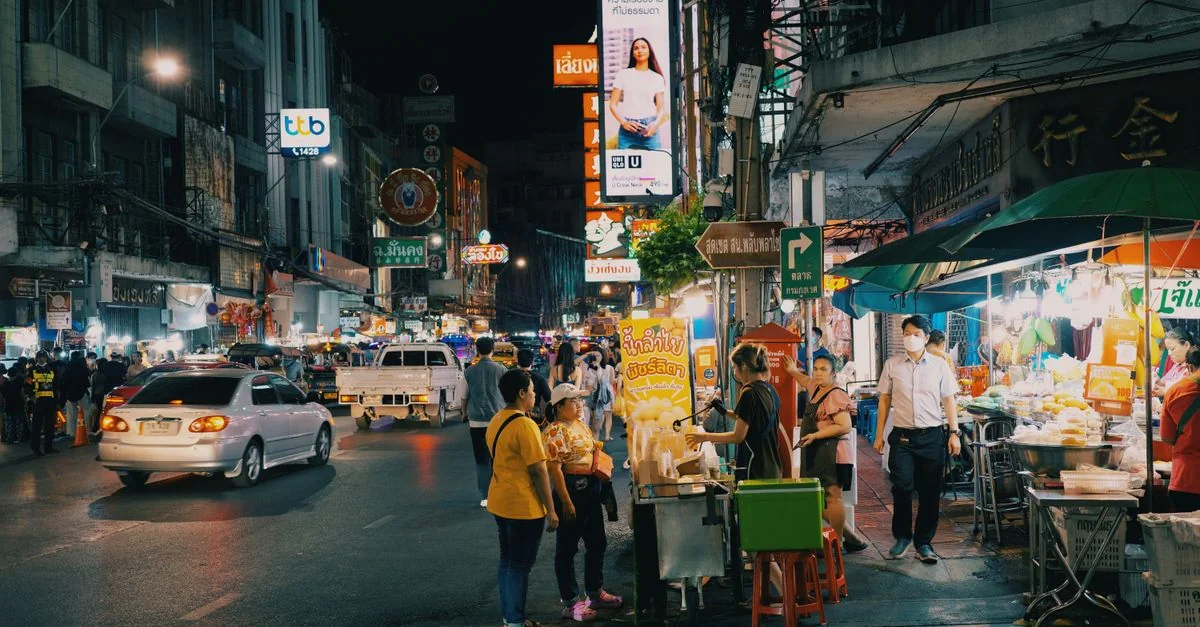
Smoke billows from a roadside charcoal brazier, carrying the sharp, unmistakable aroma of fermented shrimp paste, charred galangal, and bruised lemongrass. I am standing on a dusty curb in Nathon, watching a vendor rhythmically pound bird’s eye chilies in a wooden mortar while waves lap against the nearby pier. This is the sensory heartbeat of the island. When you travel here, your itinerary should be entirely dictated by your stomach. The Gulf of Thailand shapes everything on the plate, from morning markets stacked with spiky rambutans to evening beach grills dripping in sweet chili garlic glaze. Why Koh Samui is a Food Lover’s Paradise # Southern Thai cuisine does not apologize for its heat. Unlike the sweeter, milder profiles found in the central provinces, the food here relies on heavy hits of turmeric, fresh coastal seafood, and sour punches from tamarind and local limes. You taste the sea in the fish sauces and the volcanic soil in the dense, sweet pineapples grown just inland. Wandering through the morning stalls, you encounter ingredients that defy western grocery aisles: betel leaves waiting to be wrapped around roasted peanuts and ginger, pale green eggplants the size of marbles, and fragrant holy basil that smells almost medicinal.
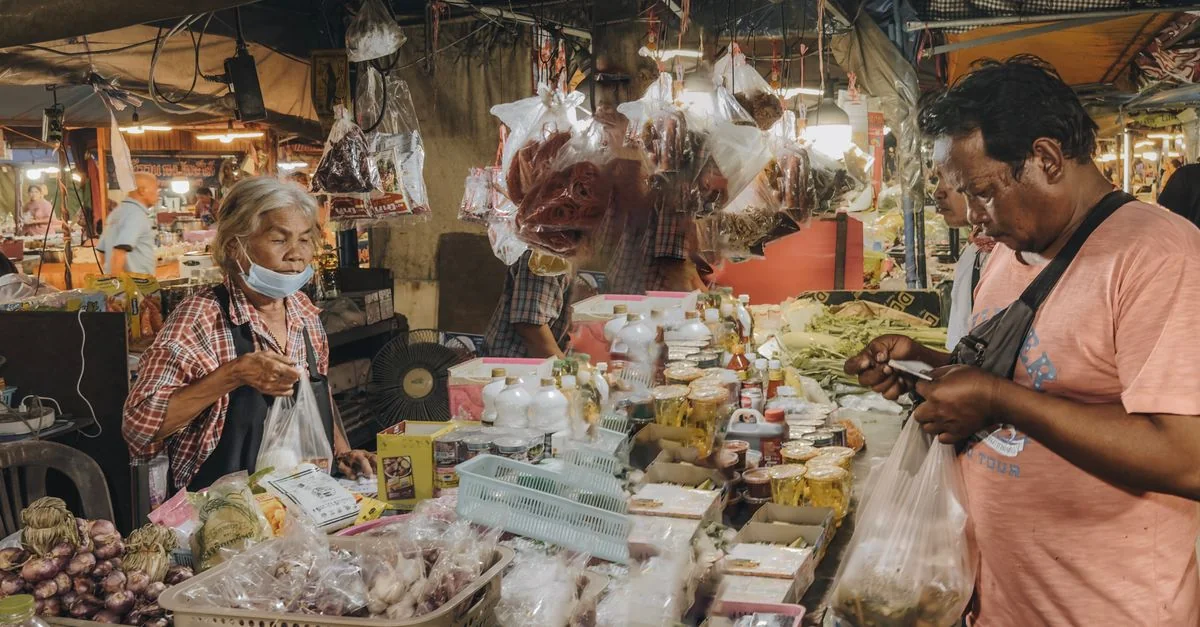
The heavy, fragrant scent of toasted galangal, fermented shrimp paste, and sweet coconut milk hangs thick in the humid air of the morning market, instantly waking up every sense before I have even taken my first sip of iced Thai coffee. Southern Thai cooking does not whisper; it shouts with fiery bird’s eye chilies, sharp notes of lemongrass, and the salty punch of local fish sauce. Eating your way across this Gulf of Thailand island means surrendering to a culinary landscape deeply shaped by the sea, local plantations, and generations of coastal fishing families. Why Ko Samui District is a Food Lover’s Paradise # Island cuisine here differs significantly from the milder central Thai dishes found in Bangkok. Southern food relies heavily on turmeric, making curries a striking, lively yellow, alongside black pepper and sour tamarind to balance out the intense heat. Strolling past open-air stalls, you will spot steaming pots of gaeng tai pla, a pungent fish kidney curry that packs a standout punch, resting right beside trays of sweet mango sticky rice wrapped in banana leaves.

The scent of browned butter and toasted flour hangs heavy in the air as I step off the subway, a sure sign that I have arrived in the right neighborhood for a serious meal. Kings County, better known as Brooklyn, operates on a different rhythm than its neighbor across the river. Here, the focus shifts from the frantic pace of midtown to the deliberate craft of the neighborhood kitchen. Whether you are hunting for the perfect handmade noodle or a creative sweet treat, the borough demands that you slow down and pay attention to the ingredients. Why Kings County is a Food Lover’s Paradise # Brooklyn has evolved into a powerhouse of production. You can walk down a single block and pass a sourdough bakery, a small-batch coffee roaster, and a shop dedicated entirely to artisanal pickles. This density of craft is what makes the area so compelling for anyone who cares about where their calories come from. The food culture here is defined by a commitment to local sourcing and a willingness to break traditional rules. Chefs in this borough are not interested in replicating the status quo; they are interested in how a classic technique can be updated with a modern, local twist.
The scent of freshly ground espresso beans hangs heavy in the air as you walk through the morning fog of downtown Seattle. It is a sharp, nutty aroma that defines the early hours here, mingling with the faint, salty breeze rolling off the Puget Sound. King County is a place where the rain is just an excuse to duck into a cozy corner booth and order something hearty. Whether you are hunting for the perfect cup of coffee or looking to get your hands messy in a kitchen, the region offers a distinct perspective on Pacific Northwest ingredients. Why King County is a Food Lover’s Paradise # King County serves as the heart of Washington’s food scene, anchored by the sheer volume of high-quality produce and seafood arriving from the surrounding valleys and coastal waters. You will find that the local culture revolves around the seasons. When the salmon run begins or the berries hit the stalls, the entire focus of the local menus shifts. It is not just about high-end restaurants; it is about the accessibility of quality ingredients. You can find incredible meals in converted warehouses, neighborhood cafes, and small storefronts that have been operating for generations.
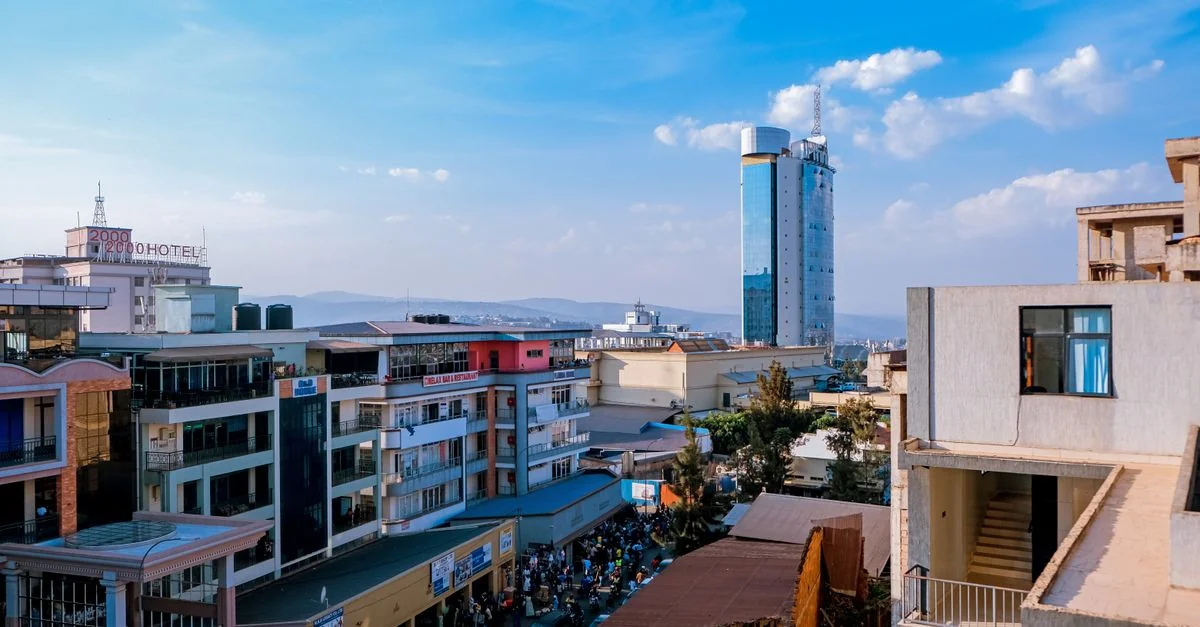
The heavy, sweet scent of roasted arabica beans hangs thick in the morning air over Kimironko, mingling with the earthy aroma of damp red soil and woodsmoke drifting from corner grills. Rwanda’s capital city hums with an energy driven by agriculture, where steep green hillsides yield some of the finest coffee beans on the African continent. When you wander through the neighborhoods of Kigali, your senses are constantly engaged by the sharp scent of roasting plantains, the tang of fresh tropical fruits, and the deep, comforting warmth of locally brewed spiced tea. This city treats every meal and refreshment as an intentional act of gathering, making it an exceptional destination for travelers who judge a location by its plate and cup. Why Kigali is a Food Lover’s Paradise # Food culture here reflects the agricultural abundance of the surrounding Thousand Hills, where volcanic soil produces remarkably flavorful produce. Morning markets overflow with heavy bunches of small, intensely sweet yellow bananas, pale green avocados the size of footballs, and fiery small chilies known locally as urusenda. Staples like matoke, which are steamed green cooking bananas, form the foundation of many traditional meals, often paired with hearty bean stews, boiled sweet potatoes, and peanut sauces that coat the palate in rich, nutty warmth.
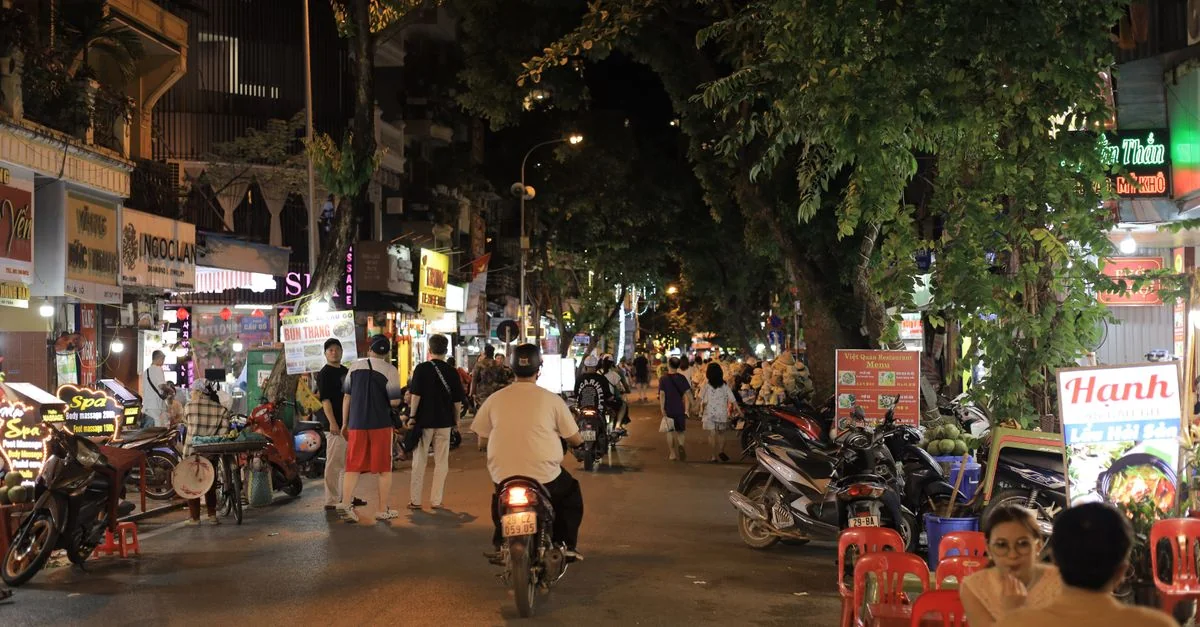
The scent of charred lemongrass and pungent fish sauce hangs heavy in the humid air of the local markets, signaling the start of another morning in Khánh Hòa. As the sun begins to climb, the rhythmic chopping of herbs against wooden boards provides a steady soundtrack to the province’s morning routine. Here, the proximity to the coast means that every meal carries the salt of the sea, balanced by the sharp, bright acidity of lime and the heat of bird’s eye chilies. Eating in this region is not just about sustenance; it is a ritual of gathering fresh ingredients and transforming them into something that speaks of the local landscape. Why Khánh Hòa is a Food Lover’s Paradise # Khánh Hòa sits at a unique intersection of coastal abundance and agricultural tradition. The province is famous for its seafood, particularly the jellyfish salads and the ubiquitous fish cake noodle soup that locals consume at all hours. Beyond the ocean, the inland areas provide fresh greens, herbs, and tropical fruits that define the flavor profile of central Vietnamese cooking. The food culture here is unpretentious, favoring plastic stools on the sidewalk and communal bowls over white-tablecloth service. You will find that the most memorable meals often come from vendors who have been perfecting a single recipe for decades.
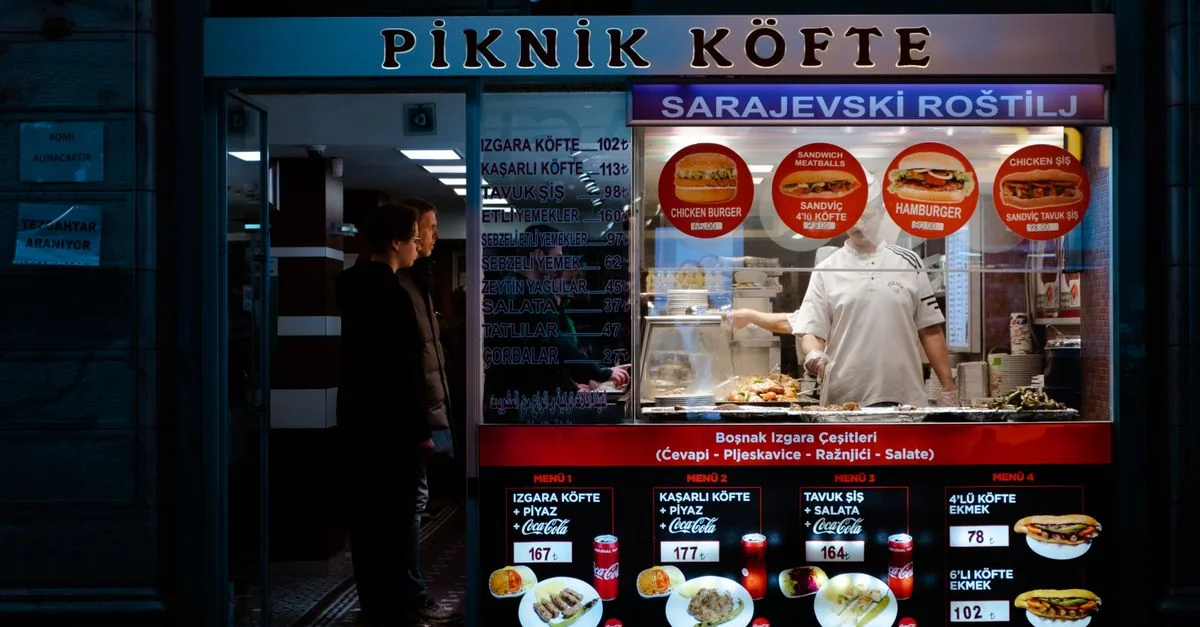
Smoke from charcoal grills and the nutty, toasted aroma of fresh coffee beans drift through the alleys of Baščaršija, pulling me straight toward the nearest window where flatbread bakes against stone walls. If you measure a destination by the depth of its flavors and the warmth of its kitchens, this mountain valley demands your full attention. Why Kanton Sarajevo is a Food Lover’s Paradise # The culinary landscape here sits at a fascinating crossroads of Ottoman heritage and Austro-Hungarian tradition. Every meal tells a story of mountain farming, slow-cooked meats, and comforting pastries. You smell ground beef sizzling on flat tops long before you spot the wooden signs of the local ćevabdžinica. Dairy products from the surrounding Dinaric Alps, such as kajmak and smoked cheese, lend a rich, savory depth to simple preparations. The regional obsession with coffee is not just a morning routine, but a deliberate social ritual that anchors the entire day.
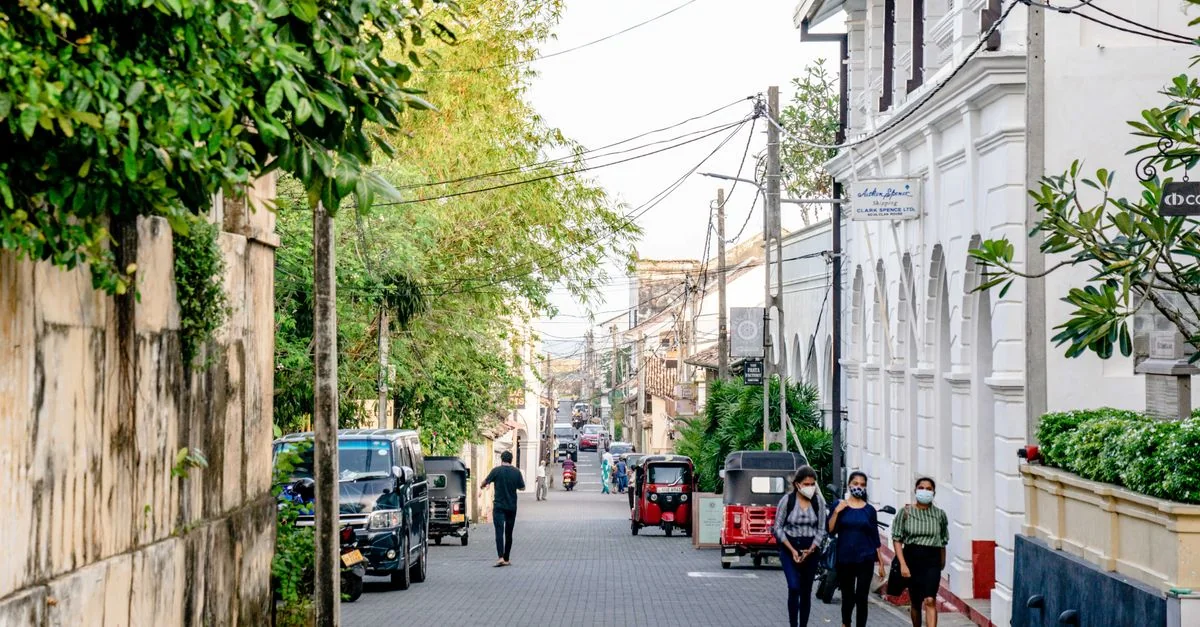
The heavy scent of toasted cumin, freshly grated coconut, and caramelized onions drifts through the damp air, instantly making my stomach growl. Kandy smells like a spice merchant’s warehouse left out in the tropical rain, and honestly, I am entirely here for it. This city in the Sri Lankan hills packs a serious punch when it comes to bold flavors, smoky clay-pot curries, and snacks fried to a golden crunch on street corners. If you think you know curry, wait until you taste the fiery, coconut-heavy preparations of the Central Province. Why Kandy is a Food Lover’s Paradise # Walking through the busy central market here is an assault on the senses in the best possible way. Vendors stack pyramids of bright red chilies, dried Maldive fish, and glossy purple eggplants next to sacks of fragrant cinnamon quills. The local cuisine revolves around rice and curry, but that simple description fails to capture the sheer complexity of the food. Every meal features a dozen different bowls—think tender jackfruit simmered in coconut milk, bitter melon fried with onions, and fiery pol sambol made from freshly scraped coconut, lime juice, and raw chilies. The heat hits you slowly, building with each bite until your forehead glows, cooled only by spoonfuls of plain steamed rice.
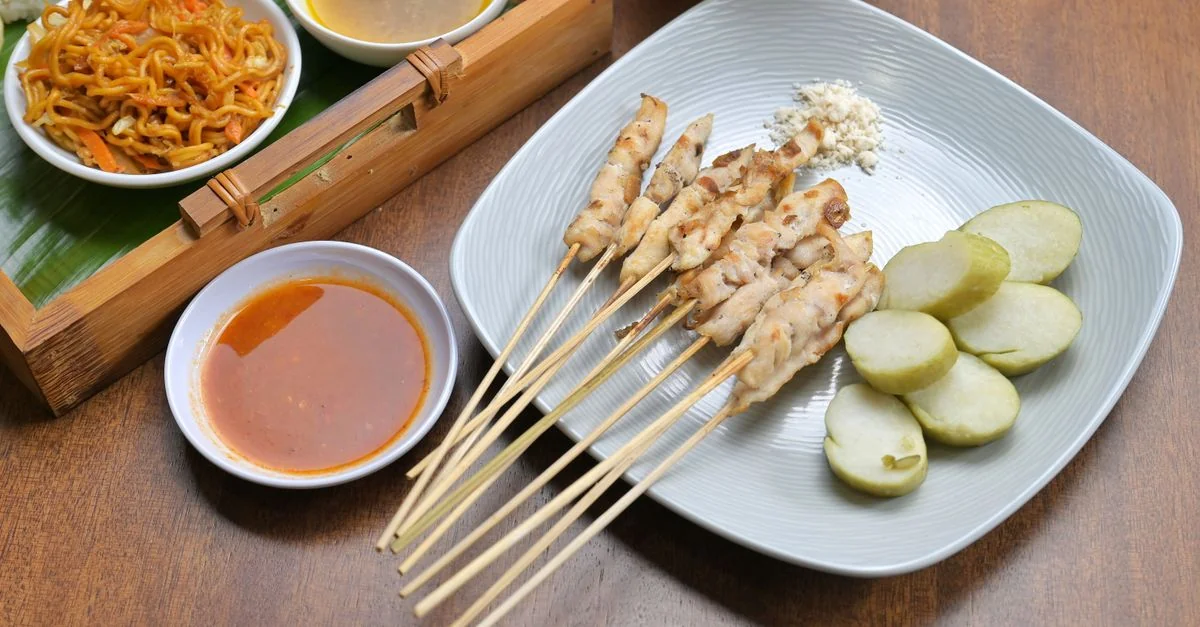
The sharp, heavy scent of roasting coffee beans mixed with woodsmoke hits the back of my throat the moment I step out of the car in the misty highlands of Bali. Up here in Kabupaten Bangli, the air carries a distinct chill that makes every bowl of steaming local soup and every bite of spiced meat taste infinitely better than it does down on the humid coast. I am always chasing that exact morning smell—the damp volcanic earth meeting charcoal and freshly cracked spices. If you want to understand real Balinese flavor away from the beach clubs, this mountainous regency is where you need to point your compass. Why Kabupaten Bangli is a Food Lover’s Paradise # Kabupaten Bangli sits entirely inland, stretching from the rim of Mount Batur down through dense tropical ravines and traditional farming villages. This geographic isolation shapes everything on the plate. Because the soil is volcanic and rich, the produce grown here—from crisp mountain greens to sweet citrus—forms the backbone of traditional Balinese seasoning. When cooks grind up fresh basa genep, the ubiquitous spice paste of garlic, shallots, chili, galangal, and aromatic roots, they use ingredients harvested just down the road. Local dining here relies heavily on slow cooking methods over open fires, infusing duck, pork, and river fish with deep, earthy smoke. You will find small family-run warungs serving dishes unique to the highlands, far removed from the standardized menus of the southern tourist strips. Tip: eat before noon to avoid crowds at the most popular local noodle shops and mountain-view spots.