
Fat beads of condensation roll down a glass of iced Thai milk tea, the thick orange liquid pooling at the base while the sweet, milky aroma cuts right through the humid afternoon air. Smoke drifts lazily from a charcoal grill down the street, carrying the sharp, unmistakable funk of grilled pork skewers glazed in palm sugar and fish sauce. This is the sensory reality of the area surrounding Nong Prue, where everyday life moves to the rhythm of sizzling woks, rattling noodle carts, and the rich scents of lemongrass, galangal, and garlic frying in hot oil. Why Nong Prue is a Food Lover’s Paradise # Food in this part of Chonburi province is an exercise in contrast. You get the fiery punch of bird’s eye chilies balanced out by the cooling crunch of green papaya, alongside bowls of rich noodle soup simmered for hours with pork bones and star anise. Local markets operate at a dizzying pace, where vendors chop herbs with terrifying speed and dish out plates of crisp morning glory tossed in fermented soybean paste. It is a region where eating is not merely a routine, but a continuous social event happening on plastic stools lining the curbs.
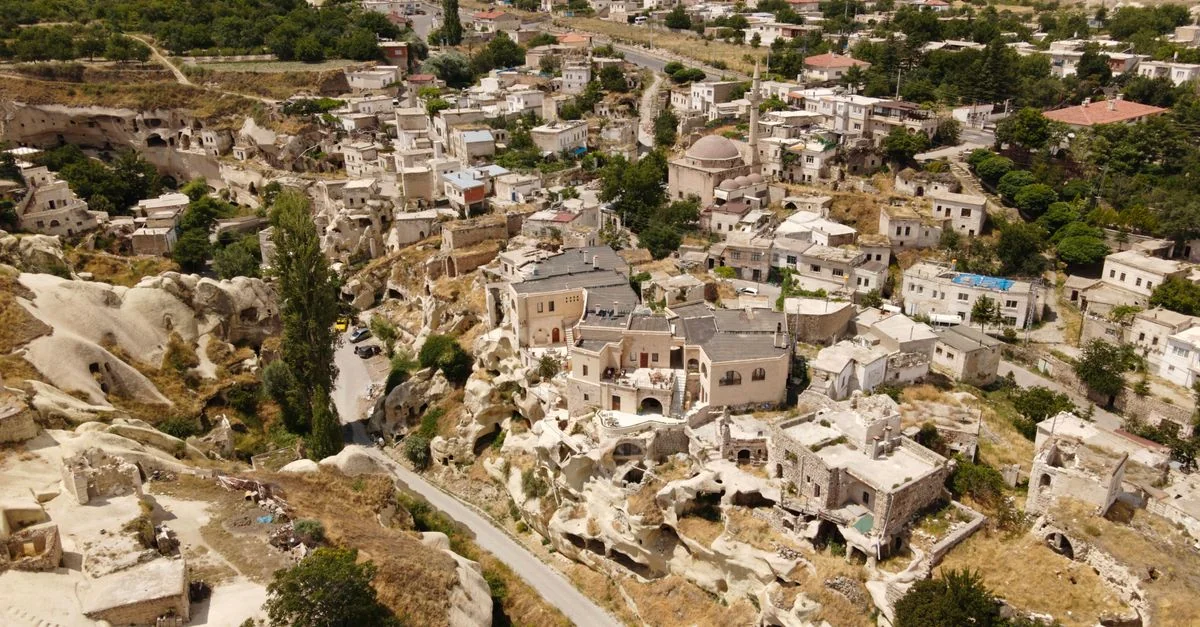
The scent of dark, roasted beans wafting from a copper pot buried in hot sand is the first thing that hits you when you step into the heart of Nevşehir Merkez. It is a thick, earthy aroma that signals the start of a slow morning, where the ritual of coffee preparation is just as important as the caffeine itself. This city, nestled in the volcanic landscape of Cappadocia, offers more than just geological wonders; it provides a deep look into the Anatolian palate, where patience is the primary ingredient. Why Nevşehir Merkez is a Food Lover’s Paradise # Nevşehir Merkez serves as the gateway to the broader region, but it holds its own when it comes to authentic flavors. The local food culture here is defined by slow-cooked stews, clay-pot preparations, and a profound respect for coffee traditions. Unlike the coastal cities of Turkey where seafood dominates, the culinary focus here is on the harvest of the Anatolian plateau. You will find that the local diet relies heavily on grains, pulses, and hearty meats, often prepared in ways that have remained unchanged for generations.

The heavy scent of toasted cumin and freshly grated coconut drifts from a tiny kitchen stall down a dusty coastal lane, mixing with the salty breeze rolling in from the Indian Ocean. My stomach rumbles instantly. I am standing near the lagoon edge in Negombo, a coastal town in Sri Lanka that moves to the rhythmic beat of fishermen hauling in their morning nets. If you think this town is just a quick stopover near the airport before heading inland, you are missing out on some of the boldest, most fiercely spiced coastal cooking on the island. The air here smells constantly of wood smoke, curry leaves, and the briny catch of the day, setting the stage for serious eating. Why Negombo is a Food Lover’s Paradise # Negombo sits at the mouth of a massive lagoon, which means the seafood here arrives on plates mere hours after swimming in the water. For generations, the Karava fishing community has shaped the local diet, infusing traditional Sinhalese spice blends with distinct Catholic culinary traditions left behind by Portuguese and Dutch colonizers. You see this fusion in heavy use of vinegar, black pepper, and fiery chili pastes that accompany almost every meal. Walking through the main streets, you will notice clay pots simmering over open flames, releasing aromas of roasted curry powder and tamarind.
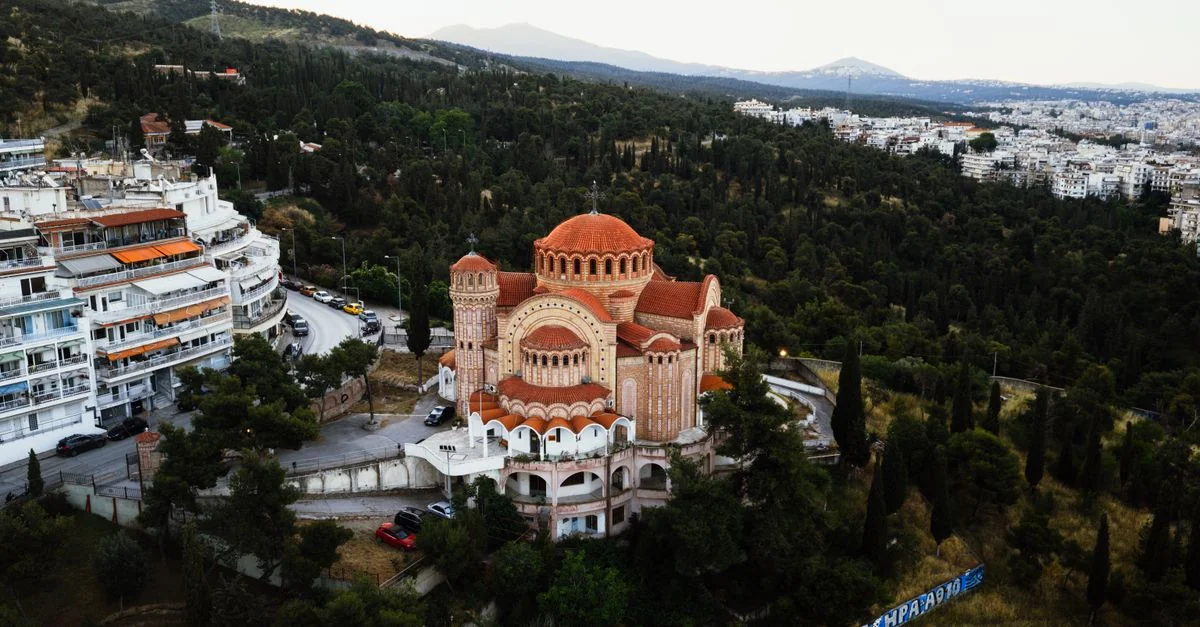
The heavy scent of roasting pork, wild oregano, and charcoal smoke drifts off the square in Nea Smirni, instantly making my stomach rumble long before dinner hour officially starts. This southern Athenian suburb operates at a completely different rhythm than the chaotic historic center of the capital. Neighborhood tavernas line the pedestrian walks, and family-run bakeries pull golden-crust phyllo pies from ovens that have burned for decades. If you want to understand how modern Athenians actually eat outside the tourist zones, this neighborhood serves up the exact antidote to generic plate-lunches. Why Nea Smirni is a Food Lover’s Paradise # Nea Smirni was largely settled by Greek refugees from Smyrna in the 1920s, and that migration permanently altered the local palate. You taste the history in the heavy use of cumin, cinnamon-spiced meat sauces, and citrus marinades that you rarely find in standard mainland cooking. The main square functions as a massive outdoor living room where locals linger over frappés for hours before transitioning to meze plates loaded with fried zucchini, tangy feta, and charred octopus. Every block smells of grilling meat and fresh bread, inviting you to wander off the main drag and find basement wine cellars pouring retsina straight from the barrel.

The sharp, citrusy sting of freshly squeezed lime juice cut through the heavy evening air, mingling with the unmistakable aroma of charred pork fat rendering on a hot plancha. Smoke drifted from a roadside cart in Bucerias, carrying the scent of toasted guajillo chilies and warm corn tortillas straight to my senses. Eating my way along the coast of Nayarit is less about following a rigid itinerary and more about surrendering to the rhythm of the waves and the smoke of the grill. This stretch of Mexico ’s Pacific coast relies heavily on the bounty of the ocean and the traditions of the Sierra Madre foothills, creating a regional pantry that demands exploration. Why Nayarit is a Food Lover’s Paradise # Food culture here operates on an unpretentious schedule, tied closely to the fishermen hauling their morning catches onto the sand and the local women pressing masa before dawn. You find the truest expressions of regional identity on plastic stools under corrugated tin roofs, where recipes pass down through generations without ever being written into a cookbook. Huachinango zarandeado—whole fish split down the middle, slathered in a chile-onion paste, and slow-roasted over mangrove wood—stands as the undisputed king of local plates. Beyond the seafood shacks, the state houses a complex network of culinary traditions influenced by indigenous Cora and Huichol ingredients, Spanish colonial history, and modern coastal migration. Tip: Eat before noon to avoid crowds at popular coastal taco stands and secure the freshest catch of the day.

The scent of roasted green tea, or hojicha, drifts through the narrow lanes near Kofuku-ji Temple, mingling with the faint, earthy aroma of freshly pressed persimmon leaves. Nara is a city that moves at a slower pace than its neighbor Kyoto , and its food culture reflects this deliberate, grounded approach. You will find that the local palate favors simplicity, focusing on the quality of rice, the depth of fermented soy, and the seasonal harvest of the Yamato plateau. Walking through the quiet streets, you notice how the town centers around ancient traditions, where every meal feels like a connection to the past. Why Nara is a Food Lover’s Paradise # Nara offers a unique perspective on Japanese cuisine that is often overshadowed by the larger cities. The city is famous for kakinoha-zushi, which is sushi wrapped in persimmon leaves. This technique was developed centuries ago to preserve fish as it was transported from the coast. When you unwrap the leaf, the subtle, tannic fragrance infuses the vinegared rice and cured mackerel, creating a flavor profile you will not find anywhere else.
The moment I stepped out of my car onto a sun‑kissed lane near St. Helena, the air was thick with the sweet perfume of ripe grapes and freshly baked focaccia from a nearby bakery. A gentle breeze carried the scent of oak barrels aging in the distance, and I knew I was about to spend the day chasing flavors that define Napa County . Why Napa County is a Food Lover’s Paradise # Napa County is world‑renowned for its vineyards, but the region’s culinary reputation extends far beyond wine. The valley’s fertile soils produce an abundance of fresh produce—artichokes, heirloom tomatoes, and aromatic herbs that find their way onto plates at both casual eateries and upscale restaurants. Local farmers markets burst with seasonal bounty, while artisanal cheese makers craft buttery wedges that pair perfectly with a glass of pinot noir.

The heavy, intoxicating scent of roasting charcoal and spiced mutton hits my senses the moment I step out into the evening air of Nairobi County . Smoke curls lazily from roadside grills, mingling with the sweet, yeasty aroma of frying mandazi and the rich, earthy fragrance of boiling maize. This city runs on an unyielding appetite for flame-kissed meats and comforting starches, making every corner a potential dining room. If you want to understand the heartbeat of this place, you have to follow the trail of smoke, listen to the rhythmic chopping of kachumbari, and dive straight into the local food scene. Why Nairobi County is a Food Lover’s Paradise # Nairobi County sits at a fascinating culinary crossroads where traditional East African flavors meet a cosmopolitan edge. The local palate celebrates boldness: salt, chili, and the unmistakable depth of open-flame cooking. Neighborhoods like Westlands, Kilimani, and the busy city center offer distinct culinary personalities, ranging from roadside ugali stands to legendary meat sanctuaries. You will find that food here is communal, loud, and deeply tied to social gatherings.
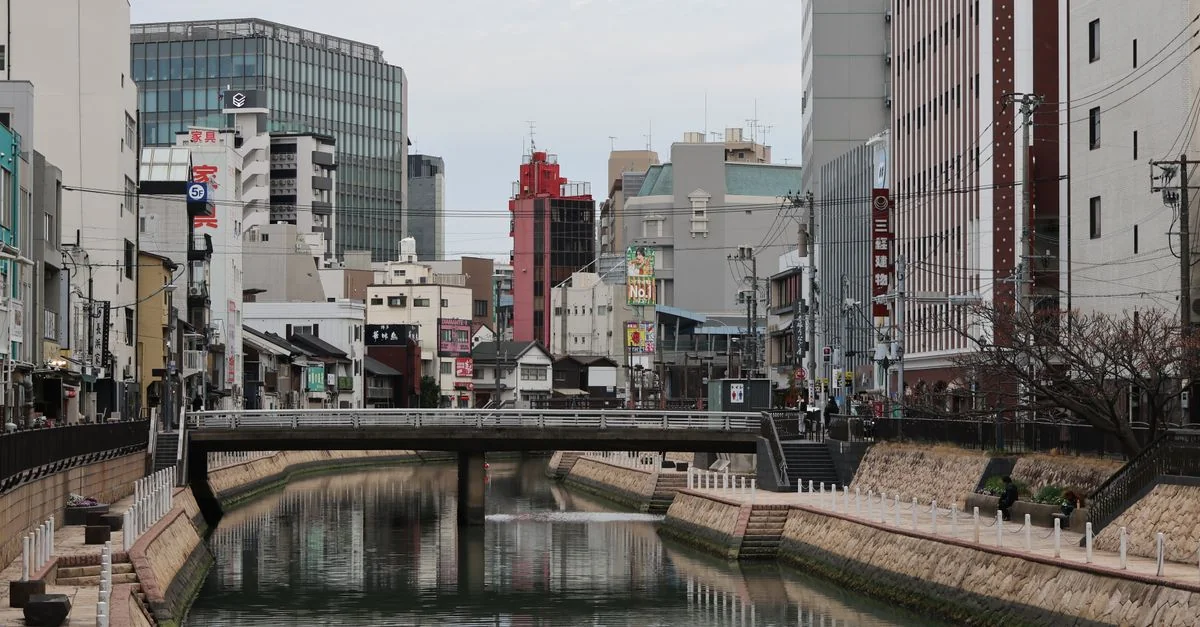
The sharp scent of roasted buckwheat flour hits my nostrils the moment I step off the platform into the mountain air, carrying a toasted, nutty aroma that defines every single meal in this valley. Nagano is a region shaped by geography—high altitude peaks, freezing winters, and crystal mountain streams that feed pristine fields of grains and vegetables. When you travel here, your stomach rules your itinerary. You do not just eat to stay warm; you eat to understand the history of mountain farming, Shinto temple traditions, and the sheer dedication required to turn simple ingredients into legendary regional cuisine. Why Nagano is a Food Lover’s Paradise # Surrounded by towering peaks, this inland prefecture operates on a distinct agricultural rhythm. Because winters freeze the earth solid, the region mastered preservation centuries ago. Pickled vegetables, fermented miso, and sun-dried preserved foods form the backbone of everyday eating here. The local water, filtered slowly through volcanic rock, gives everything from tap water to handmade noodles a distinct crispness.
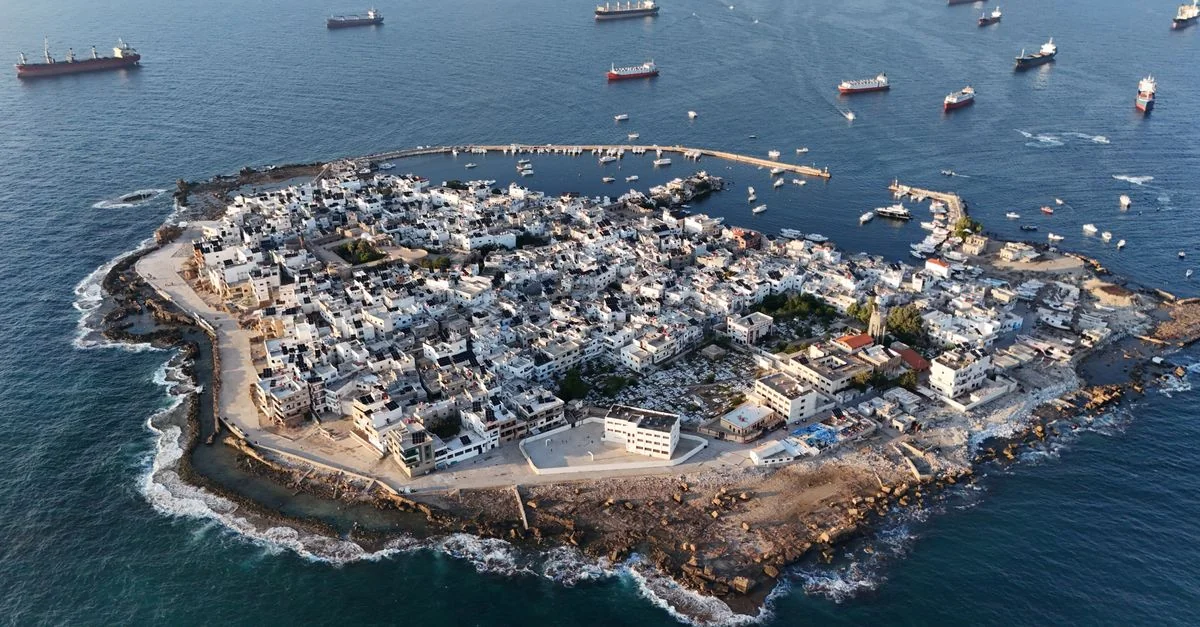
The heavy, intoxicating aroma of charred cardamom pods, slow-roasted lamb, and rosewater hits you the moment you step out into the evening air in Oman . Smoke from charcoal braziers drifts over low-slung whitewashed buildings, mixing with the salty breeze rolling off the Gulf of Oman. If you judge a destination by how deeply its flavors linger in your memory, this stretch of the Arabian Peninsula demands serious attention from anyone who lives to eat. Why Muscat Governorate is a Food Lover’s Paradise # Eating across this rugged coastal region means tasting centuries of trade history. Because seafaring merchants sailed past these shores from East Africa , Persia, and India , the local pantry reads like a spice route map. Cinnamon, cloves, and saffron weave through dishes built around freshly caught kingfish, goat, and dates harvested from desert oases. You find yourself tearing into pillowy layers of khubz rakhal, a paper-thin griddle bread brushed with ghee and egg, then dipping it into rich stews spiced with garlic and dried limes known as omani limu.