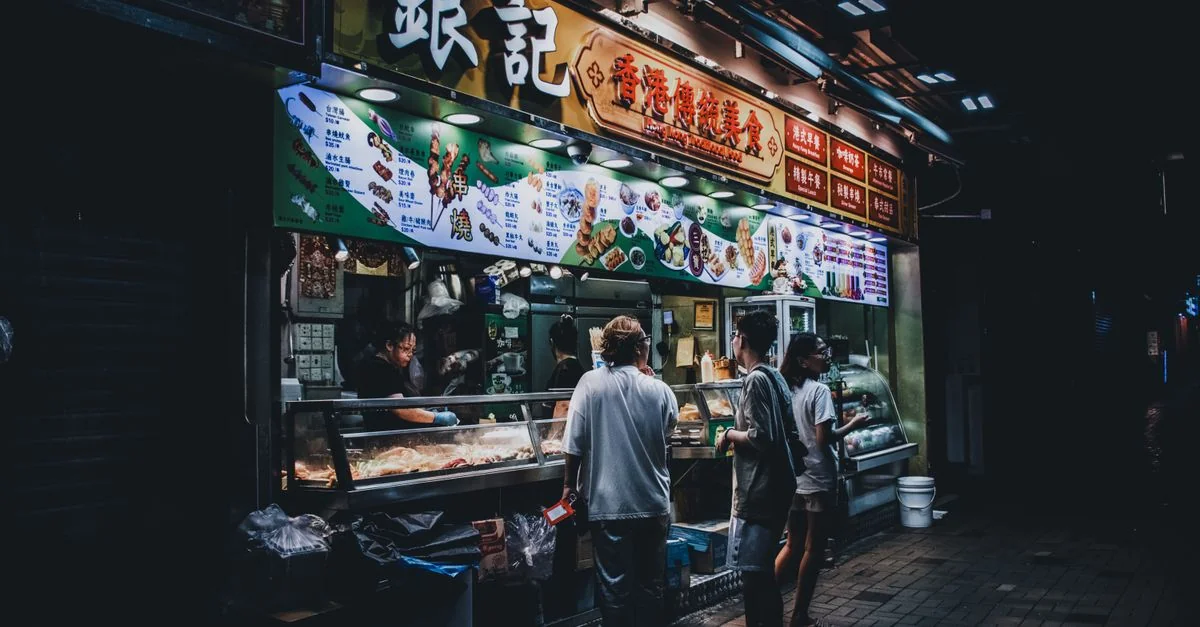
The scent of toasted sesame oil and charred pork fat clings to the humid air of Mong Kok, mingling with the sharp, metallic tang of a nearby wet market. Everywhere you look, steam rises from bamboo baskets piled high with translucent shrimp dumplings, while the rhythmic chopping of a cleaver against a wooden block provides the soundtrack to the city’s relentless pace. Hong Kong is not a place you visit to eat delicately; it is a place you visit to eat with purpose, standing on a street corner with a paper bag of curry fish balls in one hand and a cold soy milk in the other. Why Hong Kong is a Food Lover’s Paradise # To understand Hong Kong, you have to understand its relationship with the street. The city is a vertical landscape where the most significant dining often happens at eye level with the sidewalk. You will find tiny stalls that have occupied the same alleyway for three generations, serving recipes that rely on the quality of the stock rather than the elegance of the plating. The local food culture is defined by efficiency and flavor intensity. Whether it is the oily, crispy skin of a roasted goose or the soft, pillowy texture of a pineapple bun, the food here is designed to sustain a population that is constantly on the move.

The heavy, fragrant steam of star anise, cinnamon, and slow-simmered beef bones hangs thick in the humid morning air. Walking down a residential alley in Guilin , I am immediately drawn toward a corner stall where a vendor uses long wooden chopsticks to toss rice noodles in a clear, fiery broth, topping the bowl with crispy fried soybeans, pickled sour bamboo shoots, and thin slices of cured beef. That sharp, fermented tang of the bamboo combined with the rich, earthy warmth of bone broth defines my initial introduction to Guangxi flavors. This autonomous region in southern China sits at a crossroads of geography and ethnicity, blending Cantonese freshness with the bold, tongue-numbing heat and sour notes favored by the local Zhuang, Yao, and Dong populations. If you approach travel through your stomach, this landscape of jagged karst mountains and winding rivers offers an intensely flavorful itinerary that rewards curiosity. Why Guangxi is a Food Lover’s Paradise # Food in this part of China tells a story of topography and climate. Because the region features subtropical heat and heavy rainfall, sour and spicy flavors developed historically to stimulate flagging appetites and preserve ingredients before the days of reliable refrigeration. Local cooks turn ordinary pantry staples into complex masterpieces. You encounter fermented chili pastes, pungent river fish, and wild mountain herbs at almost every corner. The signature dish, Guilin rice noodles, serves as the ultimate morning ritual. Locals queue up at neighborhood holes-in-the-wall to order mifen, eating them dry with gravy first before pouring a ladle of hot bone broth into the remaining bowl to slurp down the flavorful dregs.
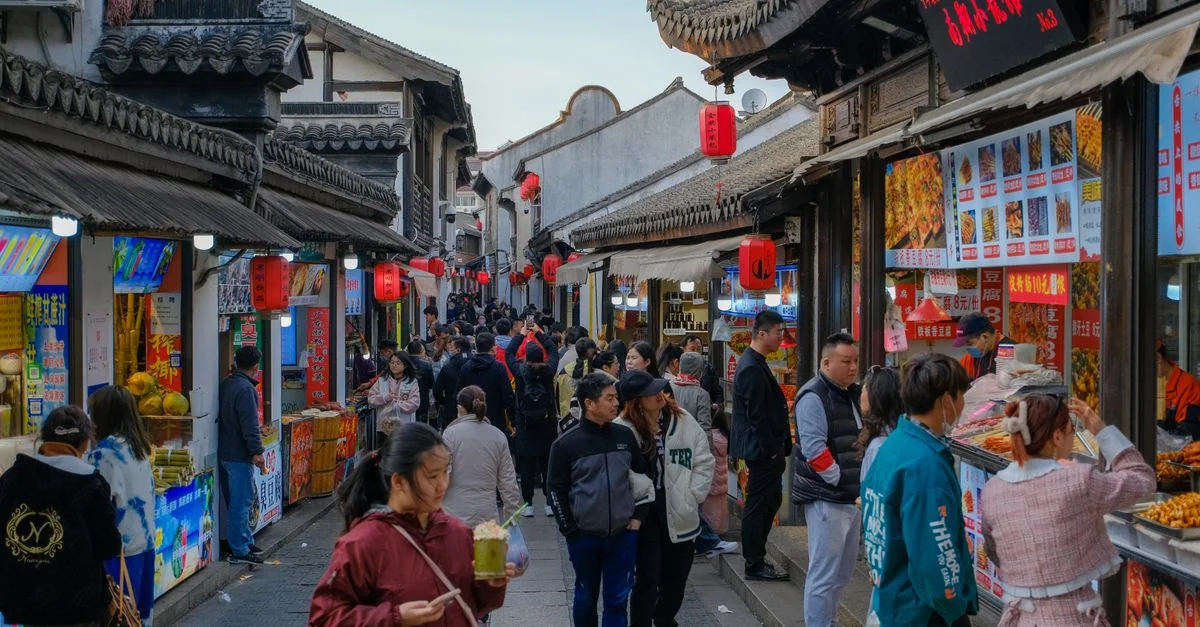
The heavy, comforting aroma of toasted sesame oil mixed with the sharp punch of fermented black beans drifts out of a tiny alleyway, immediately waking up my appetite long before I even spot the kitchen. Guang Dong Sheng is a sprawling province where eating is practically a competitive sport, and every street corner smells like another round of freshly steamed dumplings or roasting meats. If you want to understand the heartbeat of this region, you have to follow your nose past the glossy malls and straight into the residential lanes where family recipes have been guarded for generations. Why Guang Dong Sheng is a Food Lover’s Paradise # Cantonese cooking is famous across the globe for its strict dedication to ingredient freshness, letting natural flavors shine rather than masking them in heavy, overpowering sauces. Morning tea traditions set the rhythm of the day here, where locals gather around clinking porcelain pots of oolong and bamboo steamers piled high with translucent shrimp dumplings. You find yourself wandering past butcher windows hung with mahogany-lacquered roast geese, their crispy skin dripping juices over beds of plain white rice. The regional obsession with texture—known locally as kq—means every dish offers a deliberate interplay between crisp, tender, gelatinous, and firm components.
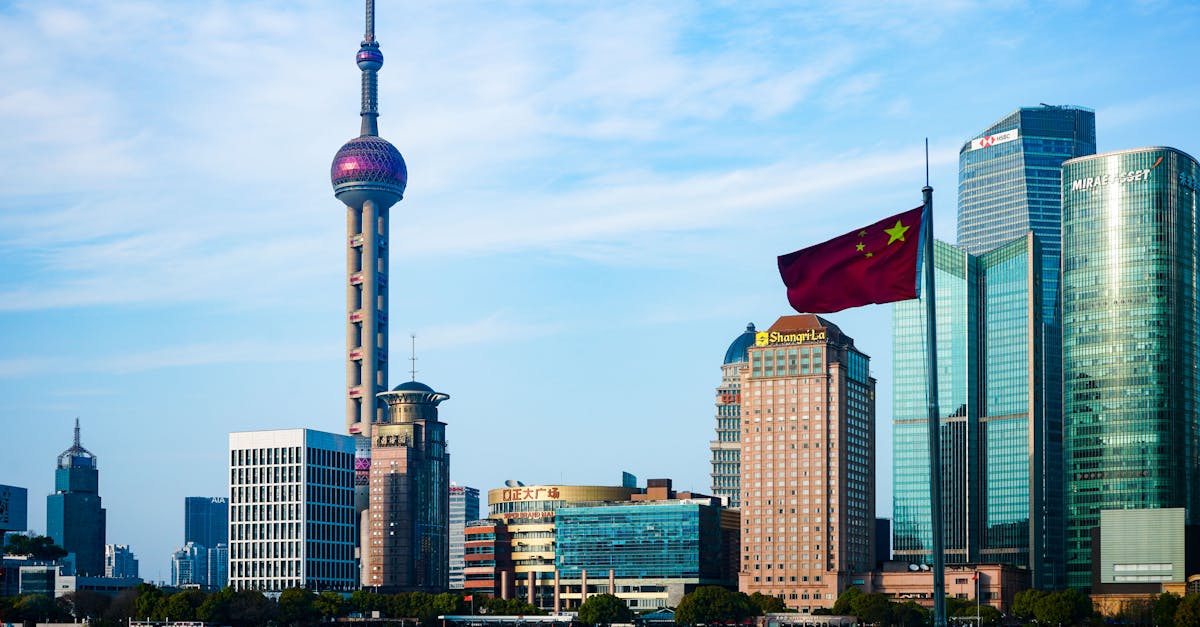
The unmistakable aroma of freshly brewed tea fills the air as I stroll through the streets of Shanghai . It’s a scent that beckons you to explore the city’s rich culinary landscape, where tradition and modernity meet in every dish. Shanghai is not just a city; it’s a lively canvas of flavors, textures, and aromas that tell the story of its diverse culture. If you’re a food enthusiast, prepare to savor every moment in this extraordinary metropolis.