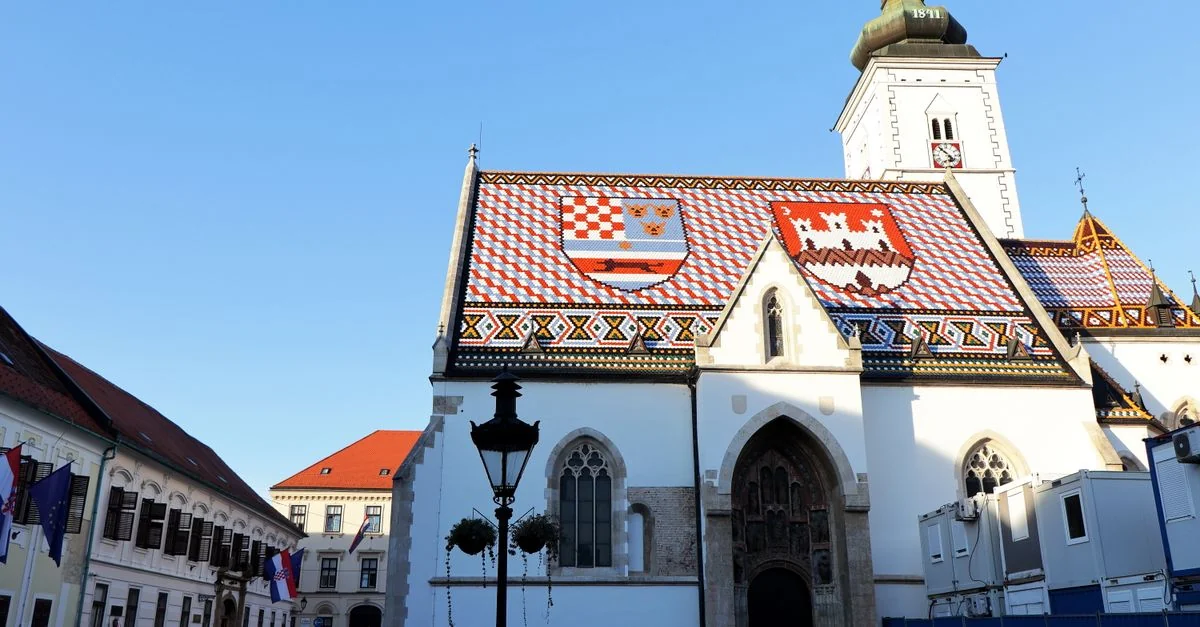
The heavy scent of roasted chestnuts drifts from a cart parked near the corner of Jelačić Square, cutting right through the crisp morning air. Moments later, that aroma mixes with the sharp, yeasty tang of sourdough rising from a nearby bakery, and I know immediately I am in dangerous territory for my waistband. If you approach Croatia only through its sun-drenched southern coastline, you are missing out on the hearty, comforting soul of the capital. Grad Zagreb holds a distinct culinary identity shaped by Austro-Hungarian tradition and rustic Balkan warmth. Why Grad Zagreb is a Food Lover’s Paradise # Walking through the Dolac market feels like stepping into the personal kitchen of every resident in the city. Crimson red umbrellas shade rows of farmers selling everything from pungent, aged Pag cheese to jars of fiery ajvar and freshly harvested walnuts. The local palate here celebrates slow-cooked meats, rich stews, and dough in all its glorious forms. You will find štrukli—baked or boiled dough stuffed with fresh cottage cheese—on nearly every menu, and honestly, you should order it at every single opportunity. The city’s food culture bridges the gap between Central European precision and Mediterranean generosity, resulting in comforting plates that demand a leisurely pace. Tip: Eat before noon to avoid crowds at the local markets.
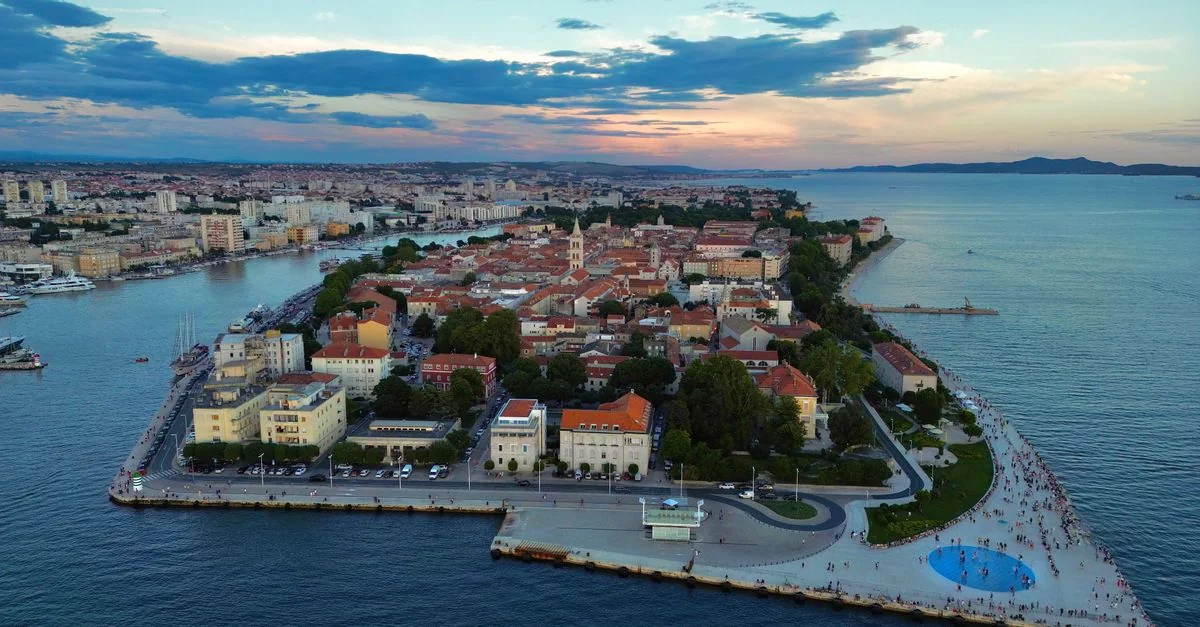
The scent of grilled sardines and sharp, briny olives hangs heavy in the air as you walk through the Roman Forum in Zadar . It is a smell that defines the Dalmatian coast, mixing the salt of the Adriatic with the woodsmoke of local konobas. Walking these limestone streets, you realize that the history of this city is written not just in stone, but in the recipes passed down through generations. To understand Zadar, you have to taste it, from the bite of local sheep’s milk cheese to the sweet, herbal finish of Maraschino liqueur. Why Grad Zadar is a Food Lover’s Paradise # Zadar sits at a unique intersection of Mediterranean influence and Balkan tradition. Because the city is surrounded by both fertile inland plains and the deep, cold waters of the Adriatic, the ingredients here are exceptionally fresh. You will find that the local diet relies heavily on what is caught that morning or harvested from the nearby hills. Olive oil production is a point of immense pride here, and you will notice that even the simplest bread and oil starter at a local tavern tastes superior to what you might find elsewhere.
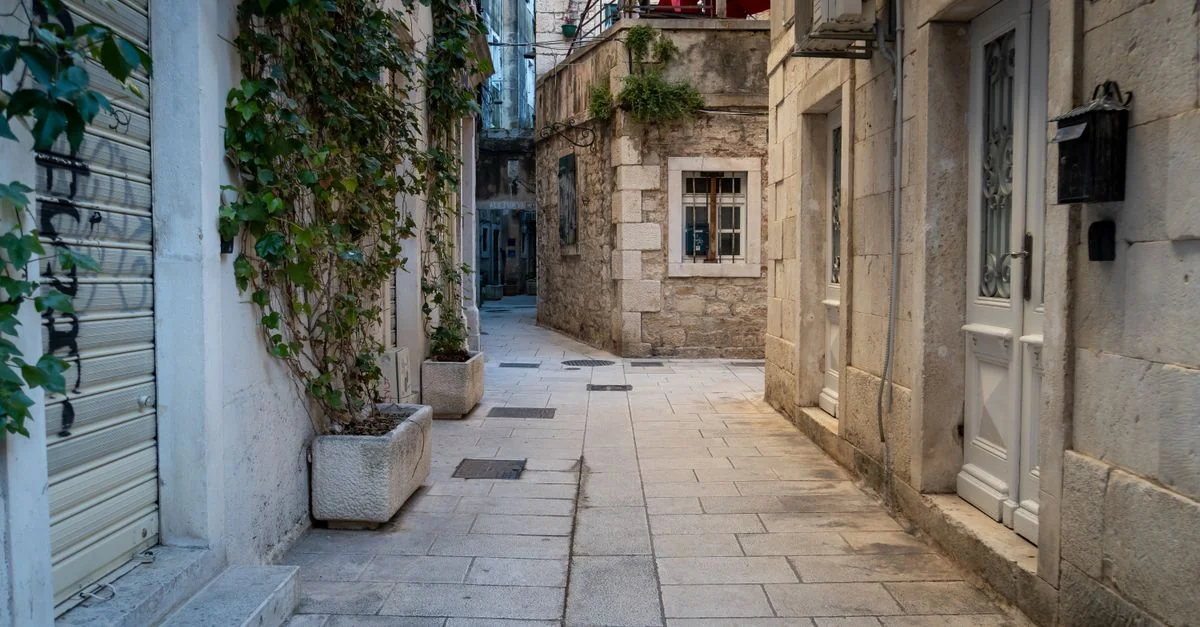
The sharp, heavy scent of salted sardines hitting a hot iron griddle drifts across the marble alleys, mixing with the sharp tang of aged sheep cheese and roasting garlic. Smoke curls from open doorways tucked deep within Roman limestone, pulling me toward the heart of the old town before I have even checked into my room. If your idea of travel revolves around what ends up on your plate, this ancient Roman fortress city on the Adriatic coast is an absolute revelation. Why Grad Split is a Food Lover’s Paradise # Walking through Diocletian’s Palace feels less like touring a museum and more like stepping into a living, breathing pantry where people have cooked, cured, and gathered for seventeen centuries. The local diet here is unapologetically tied to the sea and the rugged limestone hills of the Dalmatian hinterland. You smell rosemary and olive oil at every turn, drifting from tiny konobas—traditional neighborhood taverns—where recipes have been passed down through generations without a single measurement written on paper.