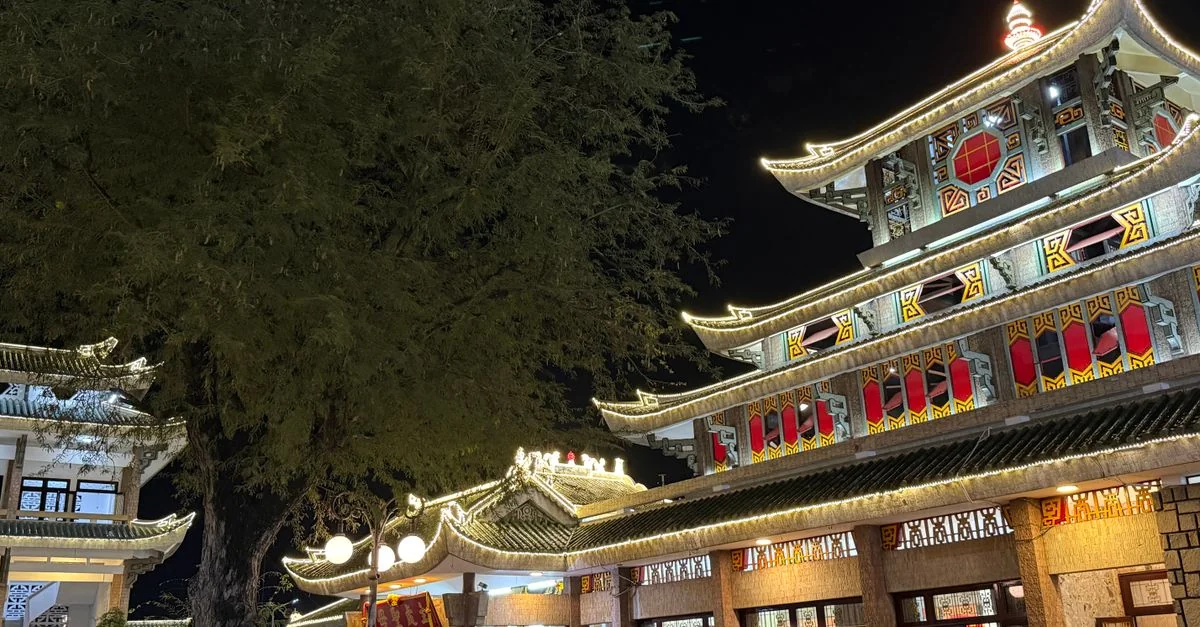
The scent of charred lemongrass and fermented fish sauce drifts through the humid air as I walk along the Han River. In Hải Châu, the heart of Da Nang , the sidewalk is a theater of plastic stools and bubbling pots. You can smell the sharp, salty tang of fermented shrimp paste, a staple of the central Vietnamese palate, mingling with the sweet, smoky aroma of grilled pork skewers. The city wakes up to the sound of metal spoons clinking against ceramic bowls, signaling the start of a morning ritual that prioritizes freshness above all else. Why Hải Châu is a Food Lover’s Paradise # Hải Châu serves as the central hub for those exploring the culinary landscape of central Vietnam . Because of its location, the district acts as a crossroads for regional specialties. You will find the influence of Hue, the former imperial capital, sitting comfortably alongside the coastal bounty of the South China Sea. The food here is defined by balance—the heat of bird’s eye chilies, the crunch of fresh herbs, and the depth of slow-simmered broths.
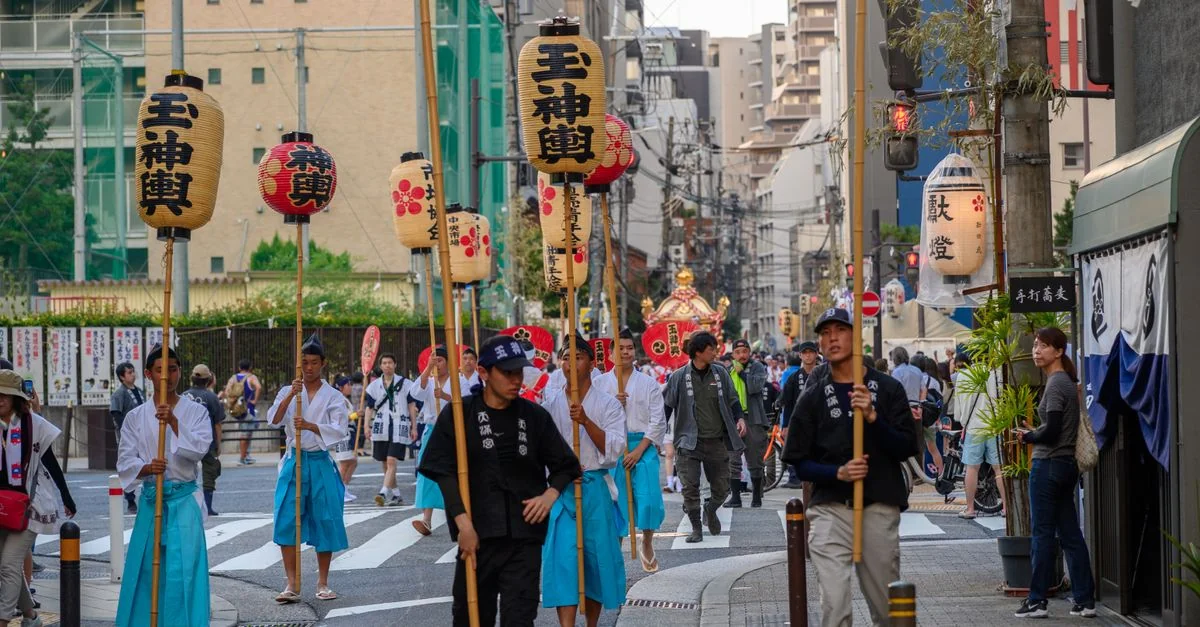
The heavy, savory scent of pork fat rendering on a flat-top grill drifts down the narrow lanes, mixing with the sharp, fermented aroma of toasted sesame oil and rich soy sauce. Smoke curls up from open-air stalls where vendors flip golden-brown dumplings with practiced speed, their iron spatulas clinking against steel griddles in a steady, hypnotic rhythm. This is the olfactory welcome of Hyogo , a region where centuries of brewing heritage meet busy port-city street culture. As someone who judges a destination entirely by the grease stains on my map and the crumbs in my lap, stepping into Hyogo feels like stepping into a vast, open-air dining room. Why Hyogo is a Food Lover’s Paradise # Hyogo sits at a fascinating culinary crossroads between the mountains and the sea, flanked by the Sea of Japan on one side and Osaka Bay on the other. This geography gifts the prefecture an absurdly rich bounty, from deep-sea catches to prized mountain vegetables. But what truly sets Hyogo apart is its deep-rooted relationship with fermentation. Nada, a district stretching across Kobe and Nishinomiya within Hyogo, stands as the undisputed heart of Japanese sake production. The hard mineral water known as miyamizu, coupled with the cold winter winds sweeping down from the Rokko mountains, creates an environment tailor-made for brewing sake that is crisp, bold, and unapologetically food-friendly.
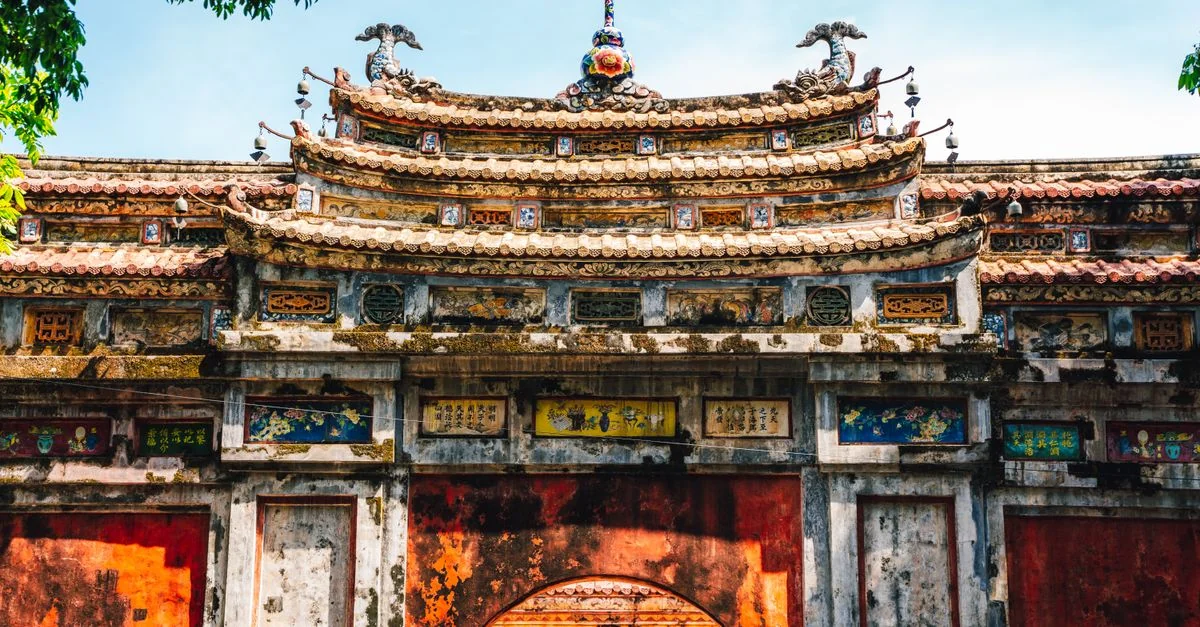
The scent of star anise and charred shallots hangs heavy in the air as you walk past the low-slung wooden stalls lining the Perfume River. In Huế, the former imperial capital of Vietnam , the morning starts not with a quiet cup of tea, but with the sharp, savory steam of bun bo hue rising from sidewalk plastic stools. The broth here is a deep, complex crimson, stained with annatto oil and fortified with lemongrass, a stark contrast to the lighter soups found in the north or the sweeter profiles of the south. Every bowl tells a story of the Nguyen Dynasty’s influence, where royal kitchen standards trickled down to the common street vendor. Why Huế is a Food Lover’s Paradise # Huế is arguably the most significant city in Vietnam for those who view food as a historical document. The local diet is defined by its royal lineage, focusing on delicate presentation and a precise balance of flavors. You will notice that portions are often smaller than in other Vietnamese cities, reflecting the aristocratic preference for variety over volume. The city is famous for its banh, or steamed rice cakes, which are topped with dried shrimp and served with a pungent, chili-heavy fish sauce.

The heavy, toasted aroma of roasted barley mixed with cardamom and fresh ginger hits the back of my throat before I even cross the threshold. Across Hudson County, the air constantly smells like a shifting map of global kitchens, where the scent of bubbling gravies from South Asia drifts past the charred, doughy edges of sourdough pizzas. If you measure a place by what’s simmering on its stoves, this slice of New Jersey stands out as an absolute powerhouse of authentic flavors. Why Hudson County is a Food Lover’s Paradise # You do not need a plane ticket to traverse global flavor profiles when you have this county at your doorstep. Urban density here created something remarkable: neighborhoods packed with immigrant families who opened neighborhood bakeries, family-run curry houses, and specialty markets without altering a single recipe for American palates. Walking down the commercial corridors feels like an edible geography lesson, moving from Peruvian cevicherías to authentic Egyptian pastry shops within a few blocks.
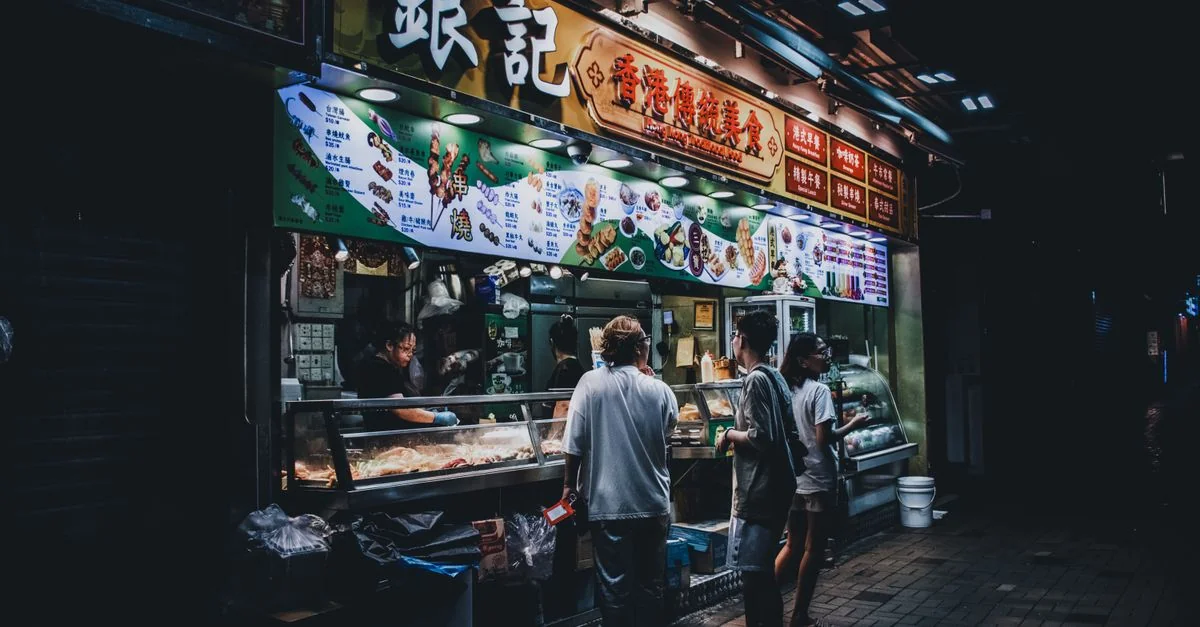
The scent of toasted sesame oil and charred pork fat clings to the humid air of Mong Kok, mingling with the sharp, metallic tang of a nearby wet market. Everywhere you look, steam rises from bamboo baskets piled high with translucent shrimp dumplings, while the rhythmic chopping of a cleaver against a wooden block provides the soundtrack to the city’s relentless pace. Hong Kong is not a place you visit to eat delicately; it is a place you visit to eat with purpose, standing on a street corner with a paper bag of curry fish balls in one hand and a cold soy milk in the other. Why Hong Kong is a Food Lover’s Paradise # To understand Hong Kong, you have to understand its relationship with the street. The city is a vertical landscape where the most significant dining often happens at eye level with the sidewalk. You will find tiny stalls that have occupied the same alleyway for three generations, serving recipes that rely on the quality of the stock rather than the elegance of the plating. The local food culture is defined by efficiency and flavor intensity. Whether it is the oily, crispy skin of a roasted goose or the soft, pillowy texture of a pineapple bun, the food here is designed to sustain a population that is constantly on the move.
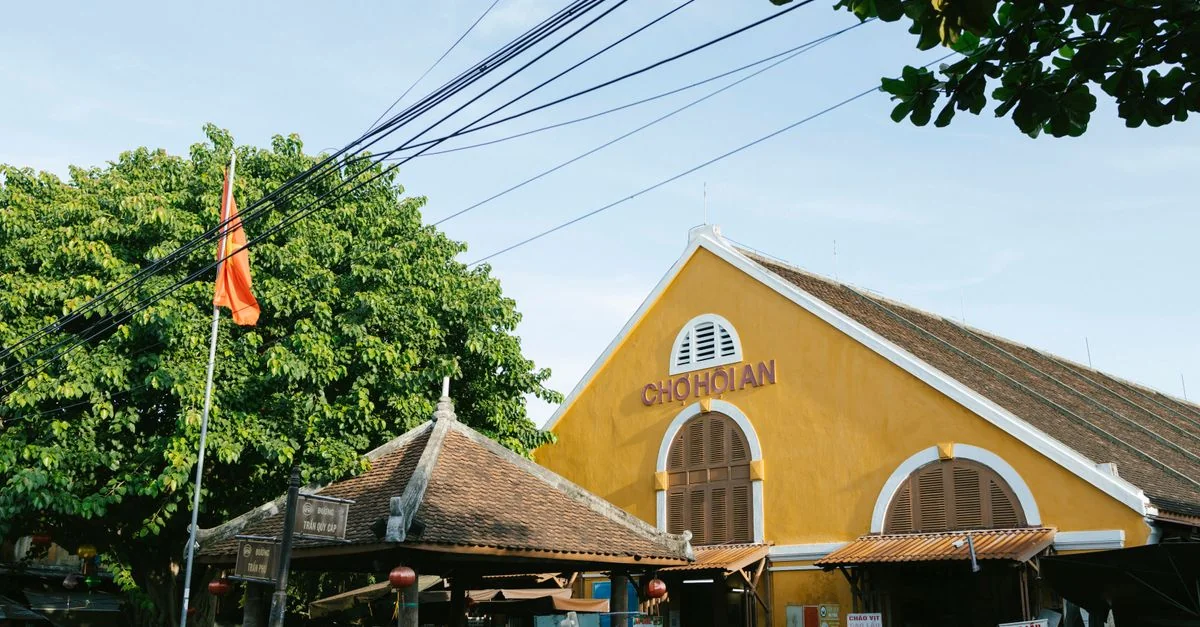
The heavy, fragrant scent of charred lemongrass and bubbling pork fat drifts down the lantern-lit alleys of central Vietnam , instantly pulling me toward a plastic stool where a vendor flips sizzling rice pancakes over hot coals. My stomach grumbles in anticipation as I watch turmeric-tinted batter crisp up on the grill, knowing that this exact sensory collision of smoke, fresh herbs, and fermented fish sauce defines the soul of eating in this ancient port town. Why Hoi An is a Food Lover’s Paradise # Few places on earth celebrate the marriage of Chinese, Japanese, and French colonial influences quite like this coastal Vietnamese hub. Street corners overflow with woven baskets stacked high with emerald-green perilla, mint, and cilantro, waiting to wrap around slow-braised pork belly or crispy spring rolls. The local water supply from ancient wells gives the signature rice noodles their distinctively springy texture, setting the local cao lau apart from any noodle bowl you will find in Hanoi or Ho Chi Minh City . Eating here means pulling up a tiny plastic chair right on the curb, ordering a cold local brew, and watching motorbikes buzz past while you devour white rose dumplings pinched into delicate floral shapes. Tip: Eat before noon to avoid crowds at the busiest open-air noodle stalls.
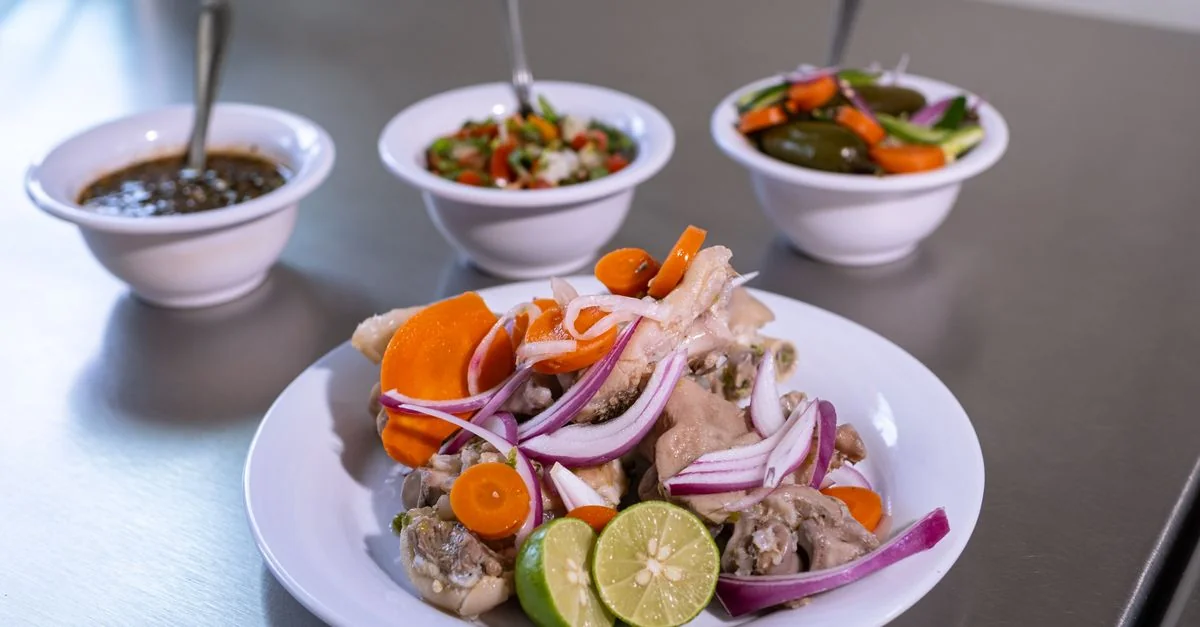
The heavy, sweet aroma of frying plantains and slow-simmered garlic drifts through the air, mixing with the distant hum of motoconchos weaving down the dusty streets. If you follow your nose in Higüey , you will find yourself standing before small wooden shacks where locals chop fresh cilantro and stir massive cauldrons of sancocho. This inland city in the Dominican Republic pulses with agricultural heart, far removed from the sterile resort strips of the coast. When I travel, I care about the grease on the counter, the steam rising from a clay pot, and the conversations shared over a plastic table. Higüey delivers this raw, unfiltered connection to Caribbean food culture. Why Higüey is a Food Lover’s Paradise # Food in this region tells a story of Taíno, Spanish, and African influences colliding in the fertile soils of the Altagracia province. Mornings here start with mangü—mashed green plantains crowned with pickled red onions and fried cheese that squeaks delightfully with every bite. Local markets overflow with mangoes, yuca, and fresh herbs that end up in pots by midday. You cannot talk about Dominican food without mentioning la bandera dominicana, the national dish of white rice, red beans, and braised meat, usually chicken or beef, served with crispy plantain slices called tostones. Eating here means understanding the rhythm of rural Dominican life, where cooking is an act of patience and community. Tip: Eat before noon to avoid crowds at the smaller family-run comedores where lunch service moves fast and the best cuts of meat disappear early.
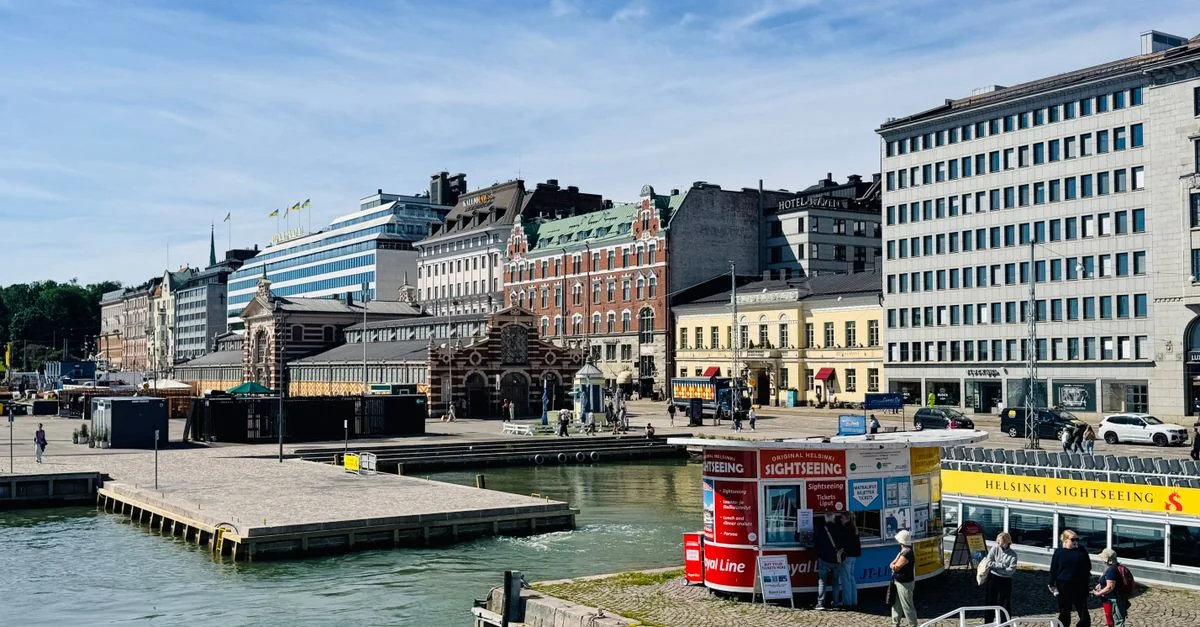
The heavy aroma of dark roast coffee and toasted rye bread drifts from a corner stall, mingling with the crisp Baltic air as morning frost clings to the cobblestones of the Market Square. I wander past rows of wooden crates piled high with wild cloudberries and gleaming Baltic herring, my stomach rumbling in anticipation. Eating through Finland ’s southern coast demands an appetite for bold, unpretentious flavors derived straight from the surrounding forests and freezing seas. Why Helsinki is a Food Lover’s Paradise # Finnish cuisine relies on a deep connection to nature, celebrating foraged forest berries, earthy root vegetables, and fish pulled straight from icy waters. The local palate values purity and preservation, resulting in smoky, pickled, and fermented delicacies that challenge and delight visiting eaters. Rye bread forms the backbone of daily life, alongside massive quantities of coffee—Finns consume more of the caffeinated brew per capita than almost anyone else on earth. Walking through the city center, you notice a seamless blend of traditional Nordic homestyle cooking and modern food innovation that respects the seasons.
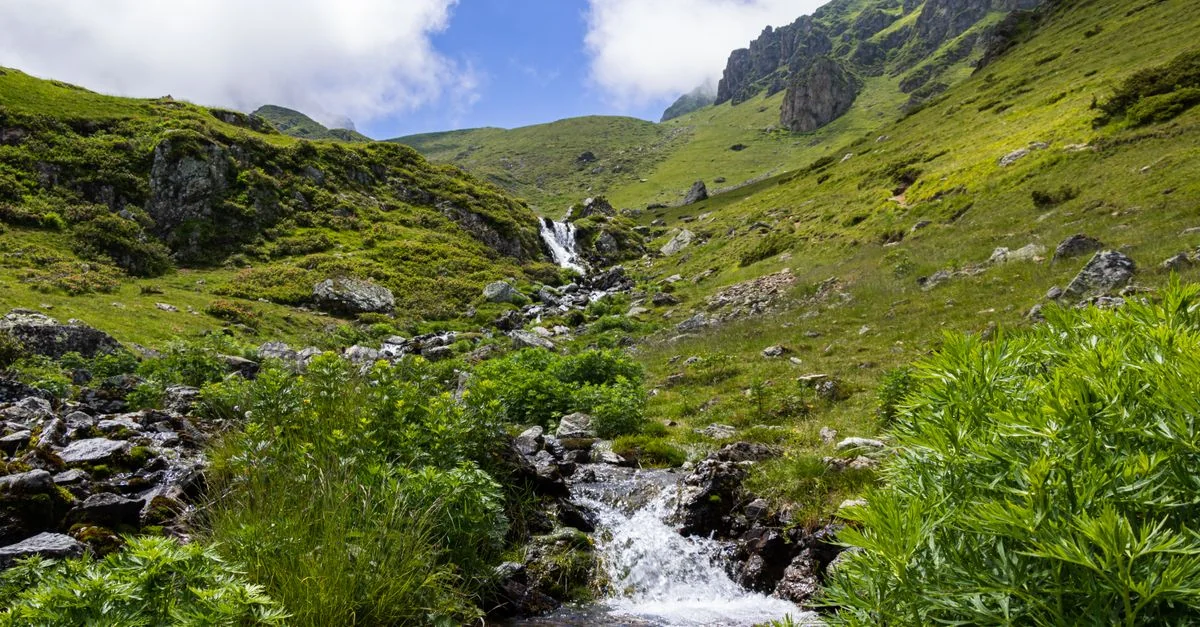
The sharp, earthy scent of mountain cheese mingles with the faint, fermented sweetness of local honey as you step into a cellar in the foothills of the Pyrenees. In this region, food is not just sustenance; it is a reflection of the rugged landscape, where high-altitude pastures produce milk with a distinct floral character and the air itself seems to sharpen your appetite. Whether you are navigating the steep slopes or exploring the quiet valleys, the local palate favors bold, rustic ingredients that have been perfected over generations. Why Hautes-Pyrénées is a Food Lover’s Paradise # The Hautes-Pyrénées region is defined by its dramatic geography, which dictates exactly what lands on your plate. You will find that the cooking here relies heavily on the seasons. During the summer, the mountain pastures are lush, leading to a production of cheeses like Tomme des Pyrénées that carry the grassy notes of the high meadows. As autumn approaches, the focus shifts to game and hearty stews, often served with a side of Tarbais beans, a local specialty known for their thin skin and creamy texture.
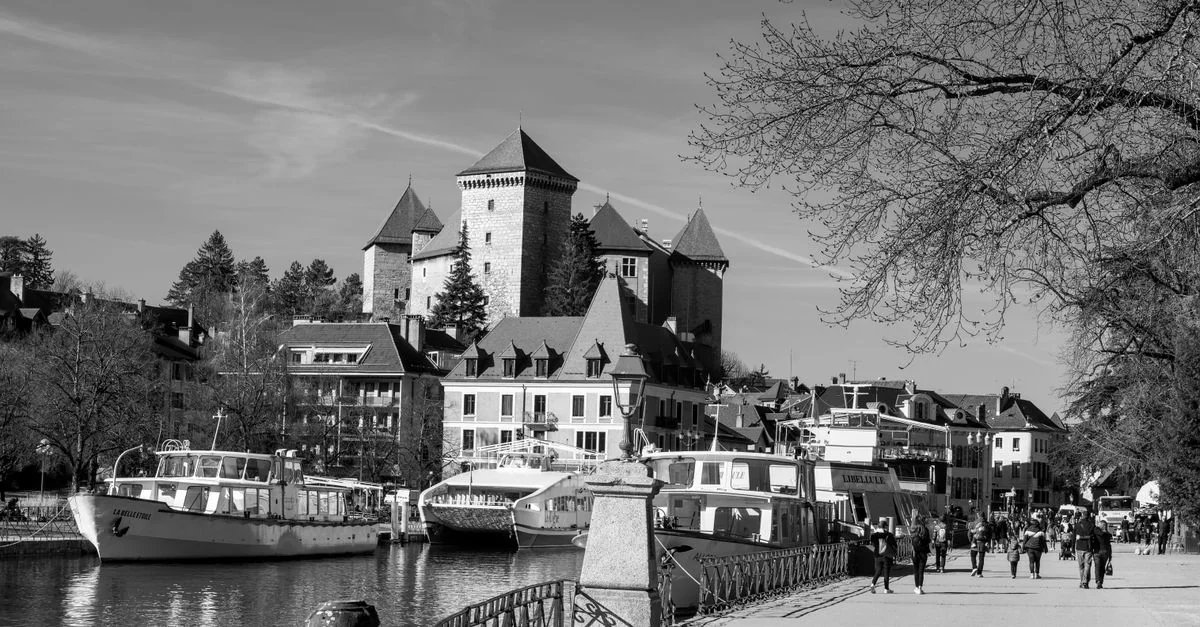
The heavy, intoxicating aroma of melted Reblochon cheese and toasted sourdough hits the cold mountain air long before you even spot the chalet windows in Haute-Savoie. This region smells like woodsmoke, aged Alpine milk, and buttery pastry dough rolling off hot baking sheets. When you travel through the French Alps, your appetite follows the altitude, demanding rich, warming calories that sustain you after a long morning of hiking or skiing. I spend my days tracking down the exact spots where local affineurs age cheese in damp, stone-lined cellars, and where bakers still use centuries-old sourdough starters to make crusty baguettes. If you want to understand this territory, you have to taste it block by block, starting from the lake edges up to the snowy peaks. Why Haute-Savoie is a Food Lover’s Paradise # Alpine gastronomy is rooted in survival and ingenuity. Long winters meant farmers needed preservation methods for abundant summer milk, resulting in cheeses like Reblochon, Abondance, and Beaufort, which melt into pools of nutty goodness. Walk into any local market in Annecy or Chamonix, and you will smell the sharp tang of cured charcuterie hanging from wooden rafters alongside sweet tartlets filled with wild blueberries. Local bakers pull dense loaves of pain de campagne from deep-deck ovens, while pastry shops display rows of butter-heavy brioches.