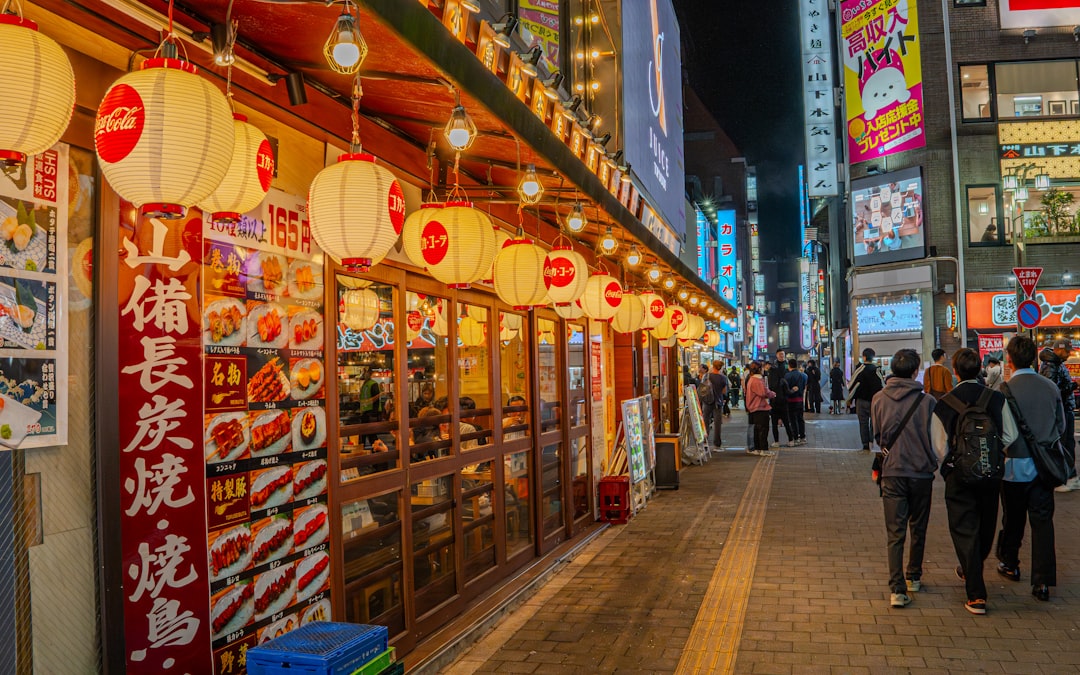
The heavy, comforting scent of simmering pork broth and dried bonito flakes drifts out from a small kitchen doorway, carrying the unmistakable aroma of slow-cooked Okinawan comfort food. I follow my nose down a narrow side street in Naha, listening to the clatter of ceramic bowls and the low hum of conversation. When you think of Japanese food, sushi and tempura probably come to mind first. But Okinawa operates on an entirely different culinary frequency. Influenced by its history as the Ryukyu Kingdom, trade with China and Southeast Asia , and later American presence, the food here tells a story of survival, resourcefulness, and deep flavor. Why Okinawa is a Food Lover’s Paradise # Okinawan cuisine stands apart from mainland Japanese food through its heavy reliance on pork, seaweed, bitter melon, and tofu. Walk into any local neighborhood eatery, and you will likely encounter bowls of Okinawa soba, featuring thick wheat noodles in a clear pork and bonito broth topped with tender braised pork belly known as rafute. Another staple is goya champuru, a stir-fry combining bitter melon, tofu, egg, and spam or pork. The locals attribute their legendary longevity to this nutrient-dense diet, often referred to as medicine-food. Tip: Eat before noon to avoid crowds at popular neighborhood noodle shops.
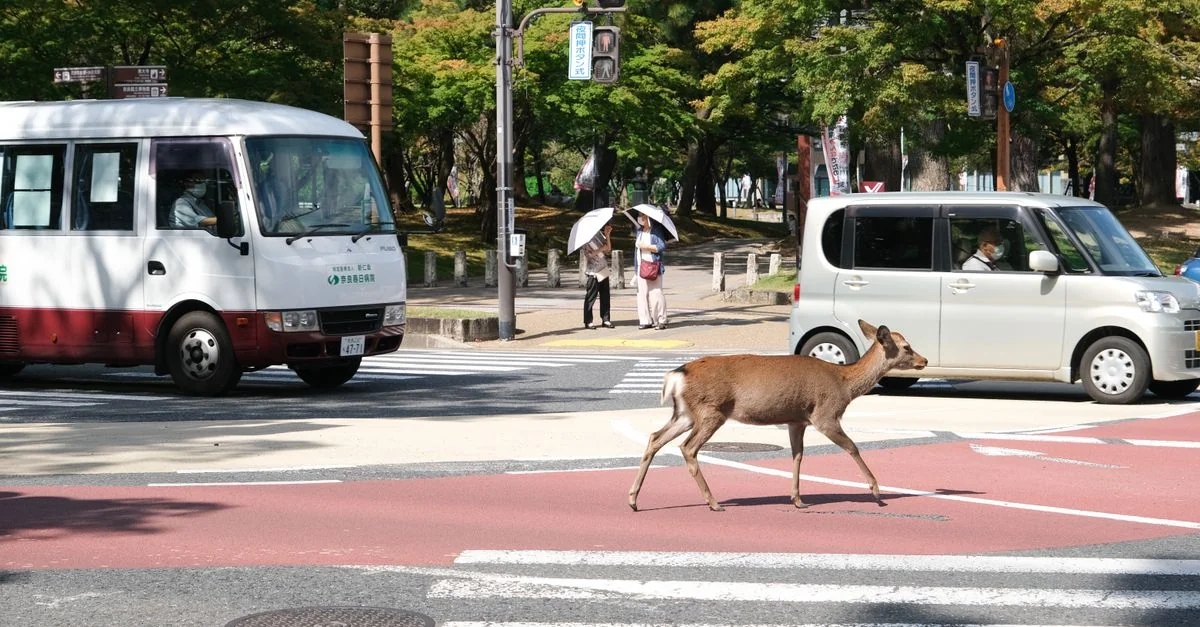
The scent of roasted green tea, or hojicha, drifts through the narrow lanes near Kofuku-ji Temple, mingling with the faint, earthy aroma of freshly pressed persimmon leaves. Nara is a city that moves at a slower pace than its neighbor Kyoto , and its food culture reflects this deliberate, grounded approach. You will find that the local palate favors simplicity, focusing on the quality of rice, the depth of fermented soy, and the seasonal harvest of the Yamato plateau. Walking through the quiet streets, you notice how the town centers around ancient traditions, where every meal feels like a connection to the past. Why Nara is a Food Lover’s Paradise # Nara offers a unique perspective on Japanese cuisine that is often overshadowed by the larger cities. The city is famous for kakinoha-zushi, which is sushi wrapped in persimmon leaves. This technique was developed centuries ago to preserve fish as it was transported from the coast. When you unwrap the leaf, the subtle, tannic fragrance infuses the vinegared rice and cured mackerel, creating a flavor profile you will not find anywhere else.
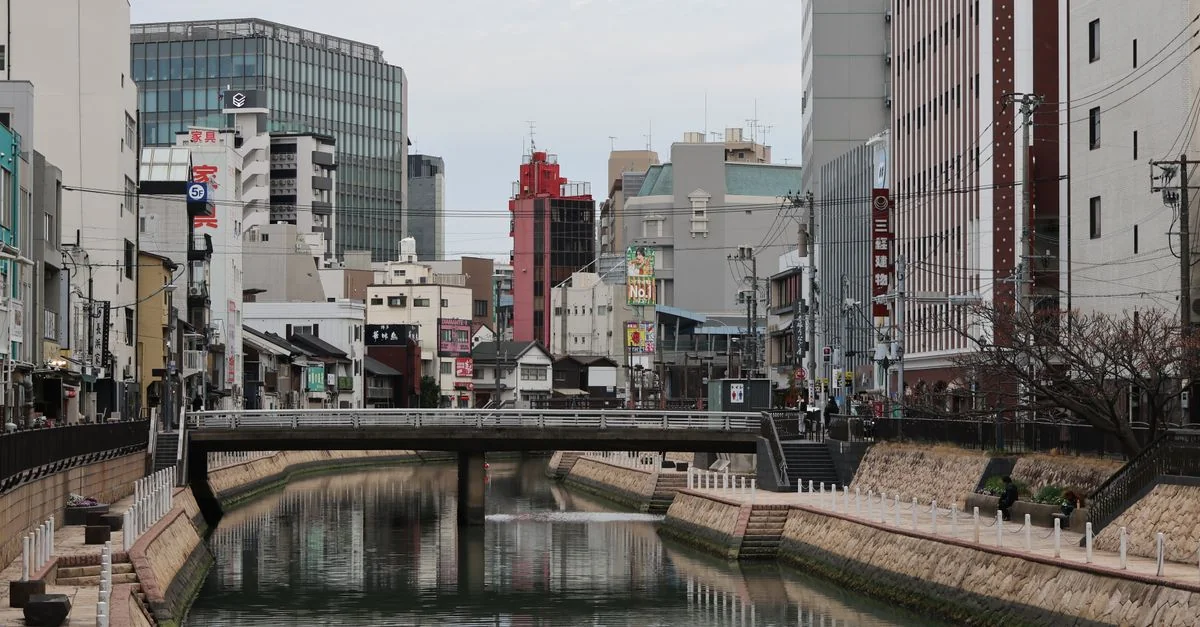
The sharp scent of roasted buckwheat flour hits my nostrils the moment I step off the platform into the mountain air, carrying a toasted, nutty aroma that defines every single meal in this valley. Nagano is a region shaped by geography—high altitude peaks, freezing winters, and crystal mountain streams that feed pristine fields of grains and vegetables. When you travel here, your stomach rules your itinerary. You do not just eat to stay warm; you eat to understand the history of mountain farming, Shinto temple traditions, and the sheer dedication required to turn simple ingredients into legendary regional cuisine. Why Nagano is a Food Lover’s Paradise # Surrounded by towering peaks, this inland prefecture operates on a distinct agricultural rhythm. Because winters freeze the earth solid, the region mastered preservation centuries ago. Pickled vegetables, fermented miso, and sun-dried preserved foods form the backbone of everyday eating here. The local water, filtered slowly through volcanic rock, gives everything from tap water to handmade noodles a distinct crispness.
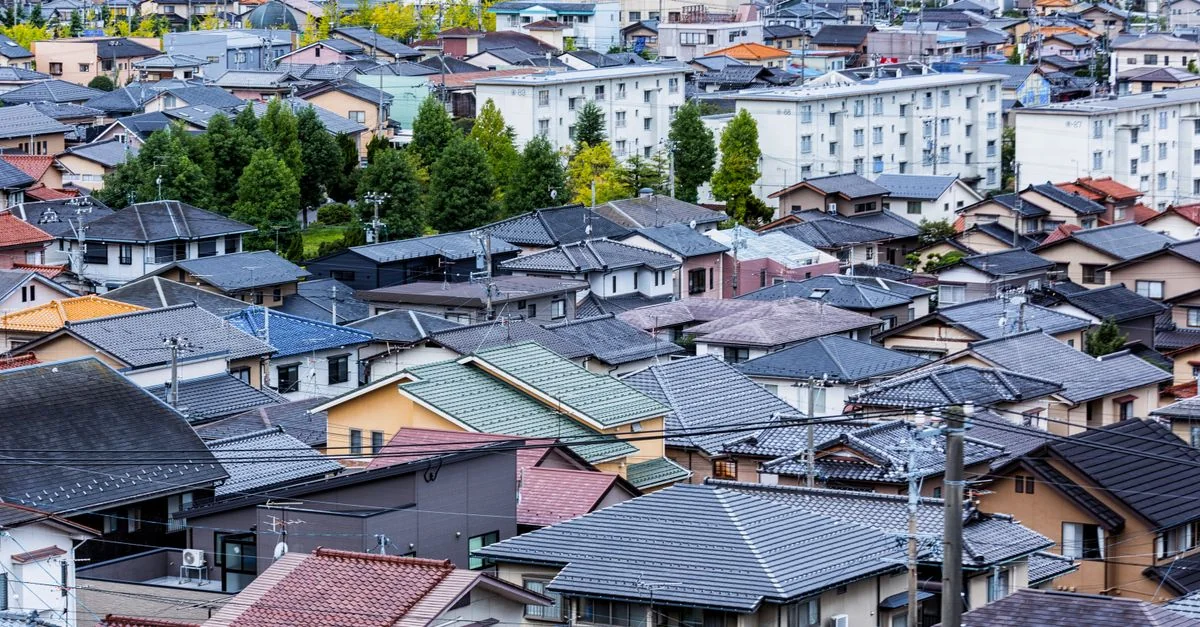
The scent of bitter melon frying in hot oil drifts from a small kitchen window, mingling with the salt air of the East China Sea. In the northern reaches of Okinawa , the Kunigami District offers a slower pace of life where the ingredients are as rugged as the coastline. You will find that the local diet here is deeply rooted in the concept of longevity, with meals centered around fresh herbs, root vegetables, and the bounty of the surrounding ocean. It is a place where you sit on tatami mats, listening to the hum of cicadas while your host explains the medicinal properties of a local leaf. Why Kunigami District is a Food Lover’s Paradise # This northern region is distinct from the busy urban centers further south. Here, the soil is rich and the farmers are dedicated to heirloom crops that you simply cannot find in mainland Japan . When you sit down to eat in Nakijin or the surrounding villages, you are participating in a tradition that prioritizes health and balance. The local cuisine focuses on simple preparation methods that allow the natural flavor of the ingredients to shine. Whether you are sipping an herbal tea or enjoying a bowl of freshly prepared noodles, the connection to the land is always present.
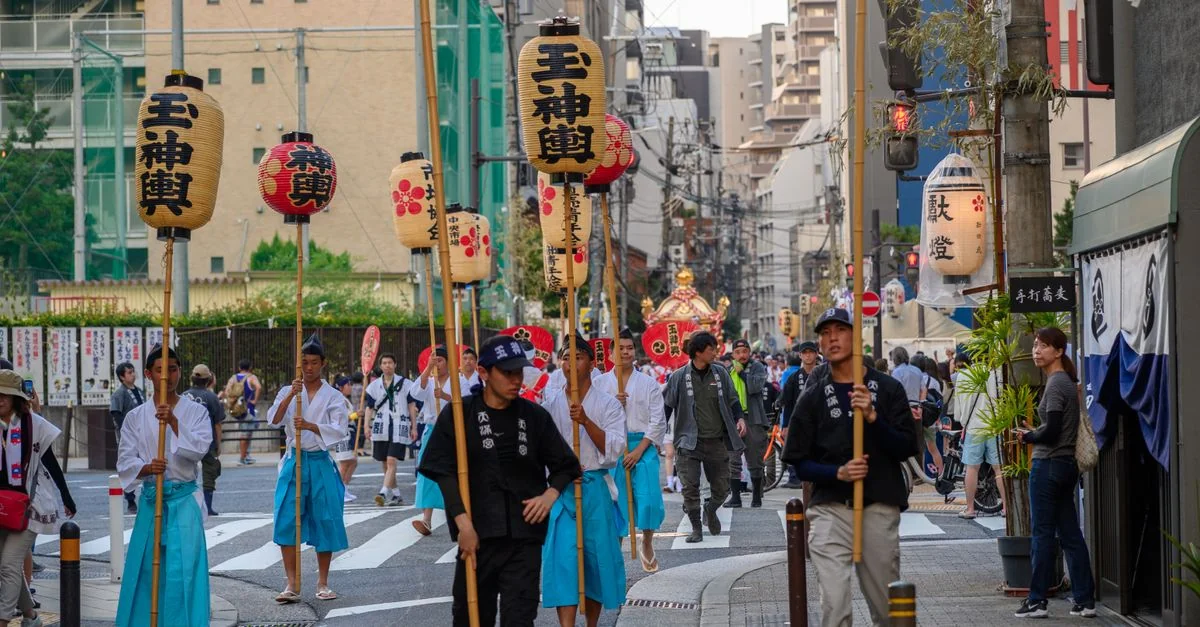
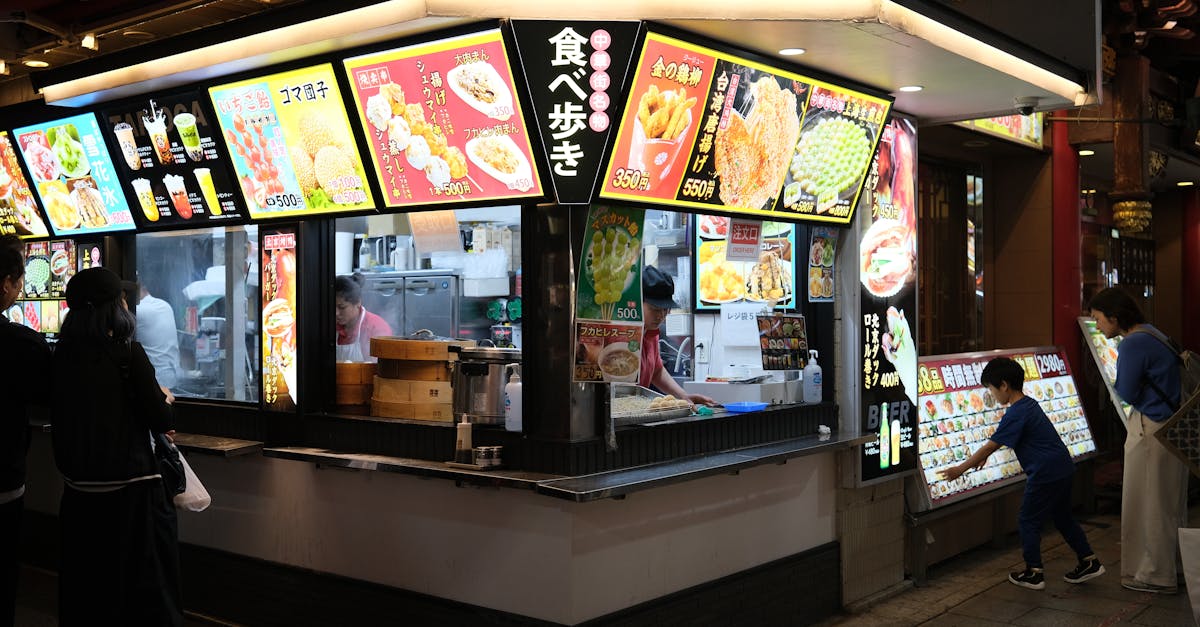
The heavy, savory scent of pork fat rendering on a flat-top grill drifts down the narrow lanes, mixing with the sharp, fermented aroma of toasted sesame oil and rich soy sauce. Smoke curls up from open-air stalls where vendors flip golden-brown dumplings with practiced speed, their iron spatulas clinking against steel griddles in a steady, hypnotic rhythm. This is the olfactory welcome of Hyogo , a region where centuries of brewing heritage meet busy port-city street culture. As someone who judges a destination entirely by the grease stains on my map and the crumbs in my lap, stepping into Hyogo feels like stepping into a vast, open-air dining room. Why Hyogo is a Food Lover’s Paradise # Hyogo sits at a fascinating culinary crossroads between the mountains and the sea, flanked by the Sea of Japan on one side and Osaka Bay on the other. This geography gifts the prefecture an absurdly rich bounty, from deep-sea catches to prized mountain vegetables. But what truly sets Hyogo apart is its deep-rooted relationship with fermentation. Nada, a district stretching across Kobe and Nishinomiya within Hyogo, stands as the undisputed heart of Japanese sake production. The hard mineral water known as miyamizu, coupled with the cold winter winds sweeping down from the Rokko mountains, creates an environment tailor-made for brewing sake that is crisp, bold, and unapologetically food-friendly.
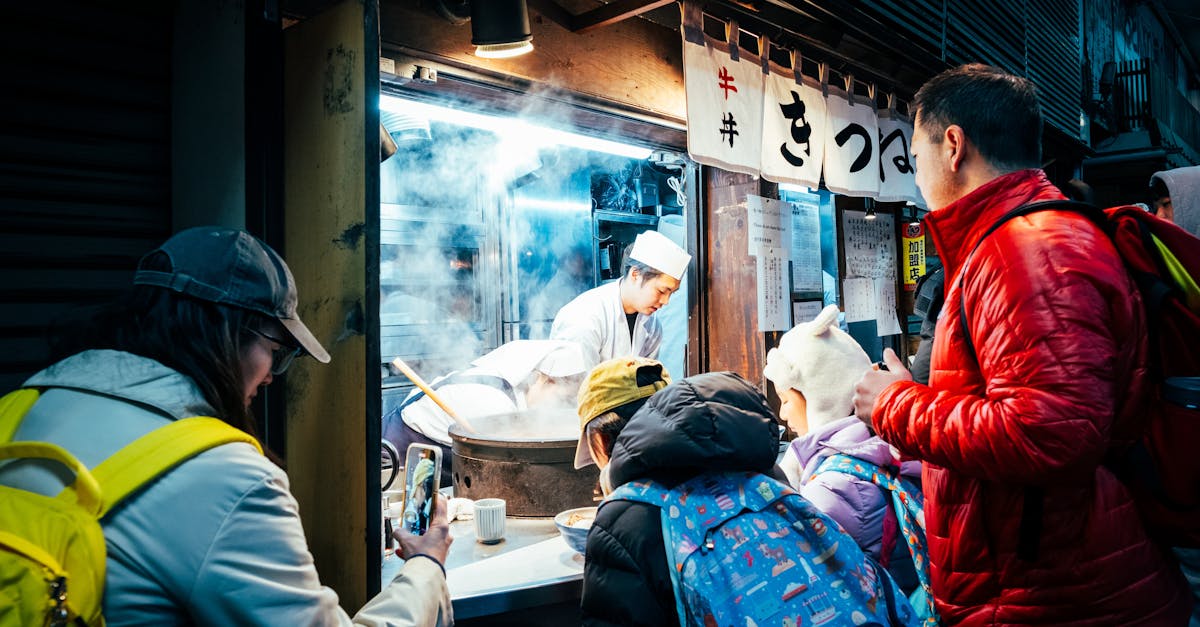
As I stepped into the lively Osu District of Nagoya, I was immediately enveloped by the enticing aroma of grilled skewers and the sweet scent of freshly made taiyaki. The lively atmosphere and the sound of sizzling food carts beckoned me to explore. Aichi , Japan , is a great destination of culinary experiences, and the street food scene here is nothing short of remarkable.
Photo by G N on Pexels Walking through the streets of Osaka , the intoxicating aroma of grilled takoyaki wafts through the air, mingling with the scent of sweet and savory okonomiyaki sizzling on hot plates. This city is a haven for food enthusiasts, where every corner offers a new flavor to explore. From street food stalls to cooking classes and fine dining, Osaka is a place where culinary passion thrives.
Photo by Diana Nguyen on Pexels Tokyo is not just a bustling metropolis; it’s a culinary wonderland that beckons food lovers from around the globe. With its rich tapestry of flavors, traditional techniques, and innovative cuisine, the city offers a food experience that’s second to none. From the vibrant street food stalls to elegant dining establishments, Tokyo is a place where every meal tells a story. If you’re planning a trip to this incredible city, indulging in its food tours is an absolute must.