The Ultimate Guide to Jeddah Food Tours and Local Flavors
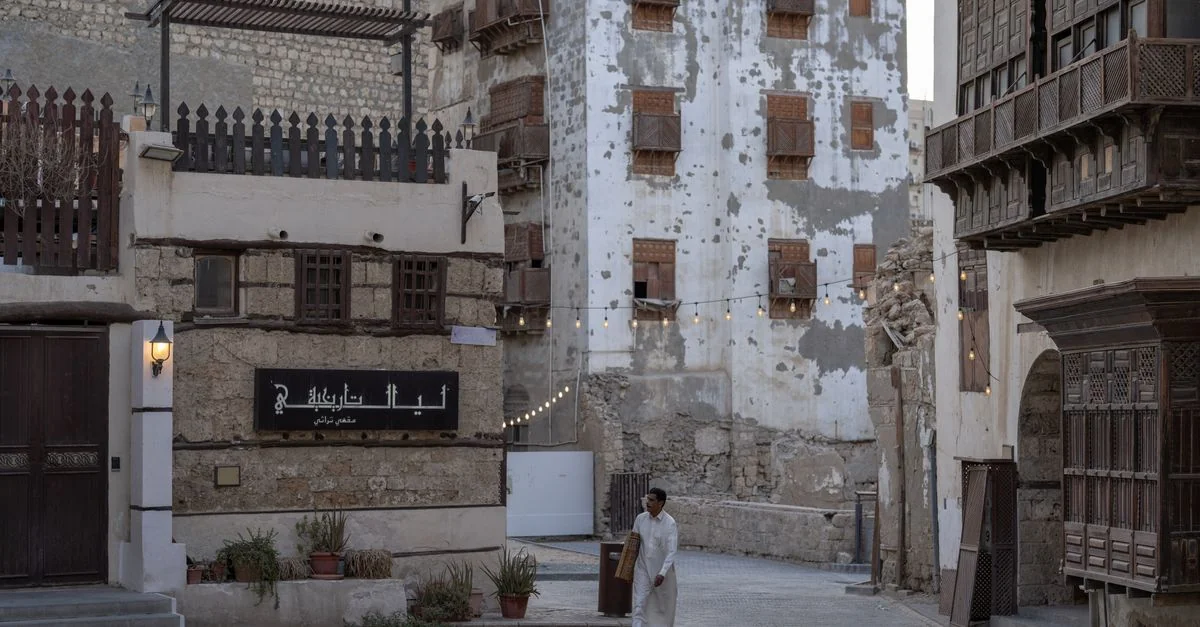
The heavy scent of cardamom and roasting coffee beans hangs thick in the salty Red Sea air, mingling with the sweet, buttery aroma of freshly baked taameem bread. I am wandering through the labyrinthine alleys of Al-Balad, watching a vendor deftly flip thin dough on a hot iron plate while a brass pot bubbles away over glowing coals. This coastal Saudi city operates on a completely different rhythm when it comes to eating. It is a place where centuries-old trade routes intersect with modern ambition, creating a sprawling landscape of spice merchants, open-air markets, and upscale dining rooms. If you want to understand this city, you have to taste it, from the spiced rice dishes served on massive communal platters to the delicate pastries served in air-conditioned heritage houses. Why Jeddah is a Food Lover’s Paradise # Jeddah ’s position as the primary gateway to Mecca has made it a historical melting pot for pilgrims and traders from across the globe, and that history lives on directly in the local diet. Every meal here tells a story of migration, trade, and maritime culture. You will find Yemeni influences in the slow-cooked lamb dishes, Egyptian touches in the daily fava bean breakfast spreads, and East African notes in the heavy use of cloves, cinnamon, and dried limes. The Red Sea itself provides an abundance of fresh catch, from large grouper known locally as najil to succulent shrimp grilled over open flames right on the corniche. Wandering through the old neighborhoods, you notice how the food culture respects tradition while eagerly adopting new flavor combinations. Tip: Always ask for the local catch of the day rather than standard menu options to experience the freshest seafood available.