Smoke from pimento wood and char-grilled jerk seasoning drifted across the road, mixing with the heavy, sweet scent of ripening mangoes falling from overhead branches. That roadside aroma immediately signals arrival in rural Jamaica , where cooking is tied directly to the land and open fires. When visiting Lethe, the appetite needs to be ready for big flavors, roadside stops, and distinct local rhythms that define the area’s food culture. Why Lethe is a Food Lover’s Paradise # Lethe sits along the great river valley, surrounded by lush vegetation that produces an abundance of tropical fruits, yams, dasheen, and local herbs. The local food identity here is unpretentious and deeply rooted in community traditions. You will not find white tablecloths or molecular gastronomy in this pocket of Jamaica. Instead, eating here means stopping by roadside cookshops, tasting fried plantines straight from the skillet, and enjoying meals that have been passed down through generations.
The heavy scent of charred sardines drifting from a sidewalk charcoal grill hits me before I even catch sight of the Atlantic. Salt hangs in the sea breeze, mixing with the buttery, caramelized aroma of warm pastries dusting the air of the Algarve. When I travel for food, I want to taste the real history of a place, from ocean-harvested treasures to centuries-old baking traditions. This sun-drenched coastal town serves up coastal Portuguese identity on a plate, and finding the right experiences means knowing where to look beyond the standard tourist menus. Why Lagos is a Food Lover’s Paradise # Walking through the whitewashed alleys of the old town, every corner reveals another small tavern or family-run kitchen keeping traditional recipes alive. The Atlantic dictates the daily rhythm here, supplying boats with fresh catch that ends up on tables within hours. You will find grilled fish seasoned simply with sea salt, olive oil, and lemon, alongside rich stews packed with clams and pork.
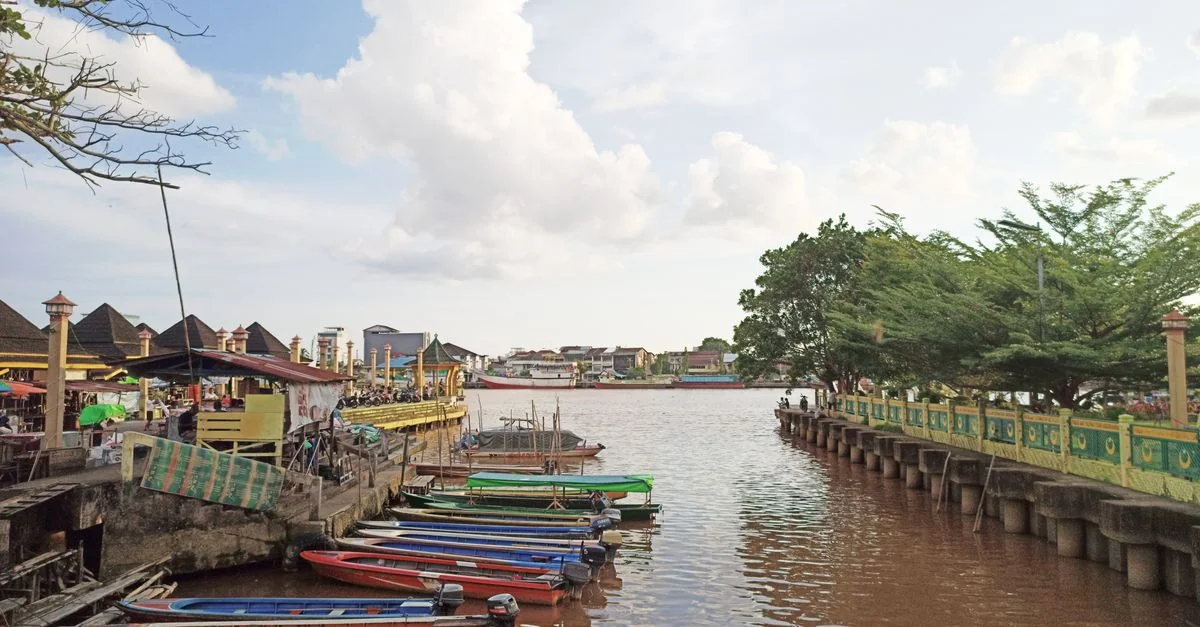
Thick plumes of smoke drift from charcoal grills, carrying the unmistakable aroma of toasted coconut, crushed shallots, and fiery bird’s eye chilies. Walking down the roads of Bintan’s northern coast, the air constantly reminds you that you are standing at a major crossroads of Indonesian and Malay flavors. Fresh seafood hauled straight from the South China Sea meets aromatic spice pastes ground on heavy stone slabs. If you approach your travels stomach-first, this corner of Indonesia rewards your appetite with bold, unpretentious cooking rooted in island tradition. Why Lagoi is a Food Lover’s Paradise # Food culture here moves at the rhythm of the tides and the morning catch. Local kitchens rely heavily on what the surrounding waters and fertile soil provide. You will find sweet blue swimmer crabs, tender squid, and whole fish seasoned simply with turmeric, ginger, and tamarind before hitting the open flame. Away from the coastal resorts, neighborhood warungs and village kitchens tell the true story of regional cuisine. The balance here leans heavily toward savory and spicy, softened by the rich creaminess of freshly pressed coconut milk used in almost every savory braise.
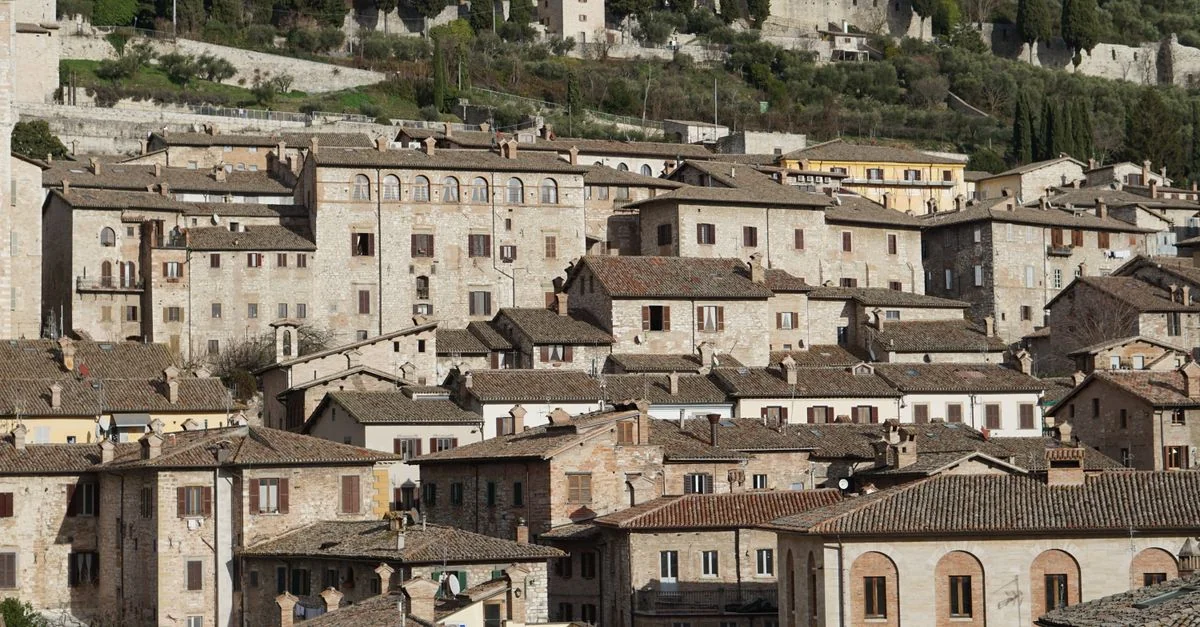
The scent of Sangiovese grapes hanging heavy in the air and the sharp, earthy aroma of freshly pressed olive oil define the sensory experience of wandering through the streets of LU. Walking past stone walls that have stood for centuries, you catch the faint, buttery notes of local pastries cooling on a windowsill, a reminder that this region prioritizes quality ingredients above all else. Eating here is not a performance; it is a daily ritual built on the foundation of seasonal produce and a deep respect for the land. Why LU is a Food Lover’s Paradise # LU offers a grounded approach to Italian gastronomy that feels authentic rather than staged for visitors. While many travelers flock to the larger hubs, those who settle into the pace of LU find that the local diet is dictated by what grows in the immediate vicinity. You will find that the focus is on simple preparations that highlight the integrity of the raw materials, whether it is a perfectly aged pecorino or a robust red wine produced just a few miles from the city center.
The aroma of simmering tomato sauce and fresh basil drifts through the narrow streets of Livorno , inviting travelers to taste the heart of Tuscany. As the sun dips behind the harbor, the scent of freshly baked focaccia mingles with the briny sea air, promising a culinary adventure that feels both familiar and utterly new. Why LI is a Food Lover’s Paradise # LI sits at the crossroads of the Tuscan coast and the rolling hills that produce some of Italy ’s most celebrated olive oils and wines. The region’s culinary identity is built on simple, high‑quality ingredients: sun‑ripened tomatoes, fragrant herbs, and the unmistakable flavor of local olive oil. In the market stalls, vendors display baskets of ripe peaches, crisp artichokes, and hand‑pressed balsamic vinegar, each a testament to the land’s bounty.
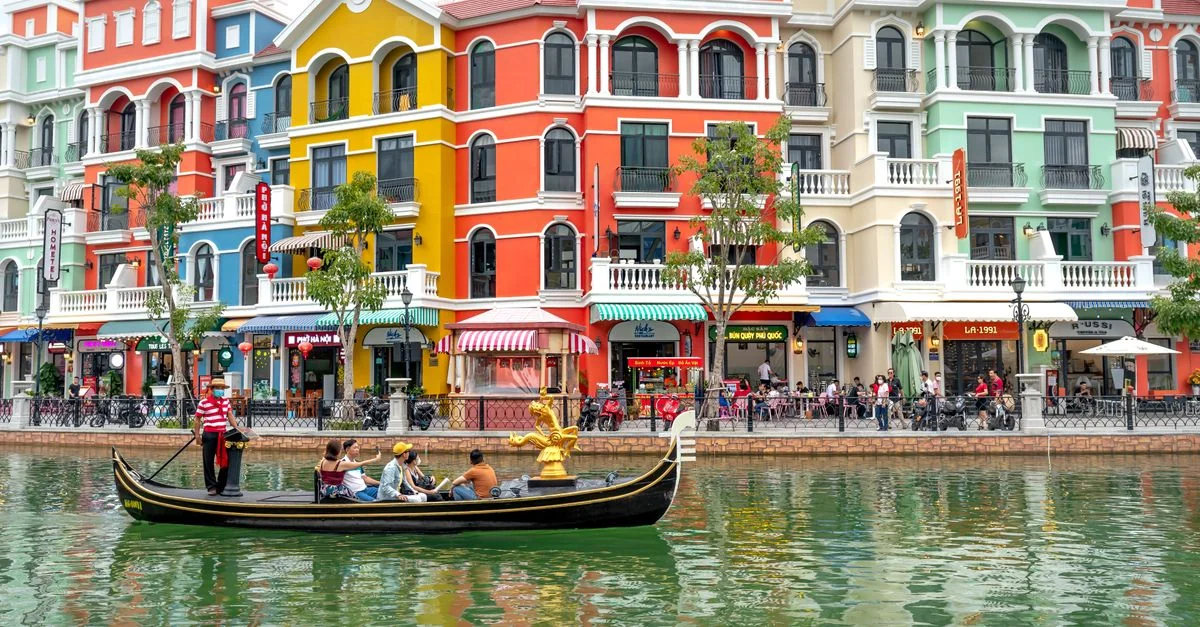
Smoke from a tiny hole-in-the-wall bakery mingles with the sharp scent of roasting coffee beans and fried yeast, drifting down limestone alleyways that bounce the southern Italian sun right into your face. I am standing in LE, where the air constantly smells like garlic, hot oil, and something sweet baking in a wood-fired oven. This city is a carbohydrate worshipper’s dream, built from pale stone that glows golden at sunset and paves the way for some of the most rustic, satisfying cooking in the entire country. If you approach travel through your stomach like I do, you need to understand how this heel-of-the-boot destination operates. Why LE is a Food Lover’s Paradise # Food in LE is rooted in cucina povera, the cooking of the poor that relied on simple grains, wild greens, local olive oil, and whatever could be coaxed from the dry southern soil. Yet, what comes out of these kitchens tastes like pure luxury. You will find pasta shapes rolled by hand on wooden tables using only durum wheat flour and water, without a single egg in sight. Orecchiette, shaped like little ears to catch thick tomato sauces, and maccarruni dominate every local kitchen.
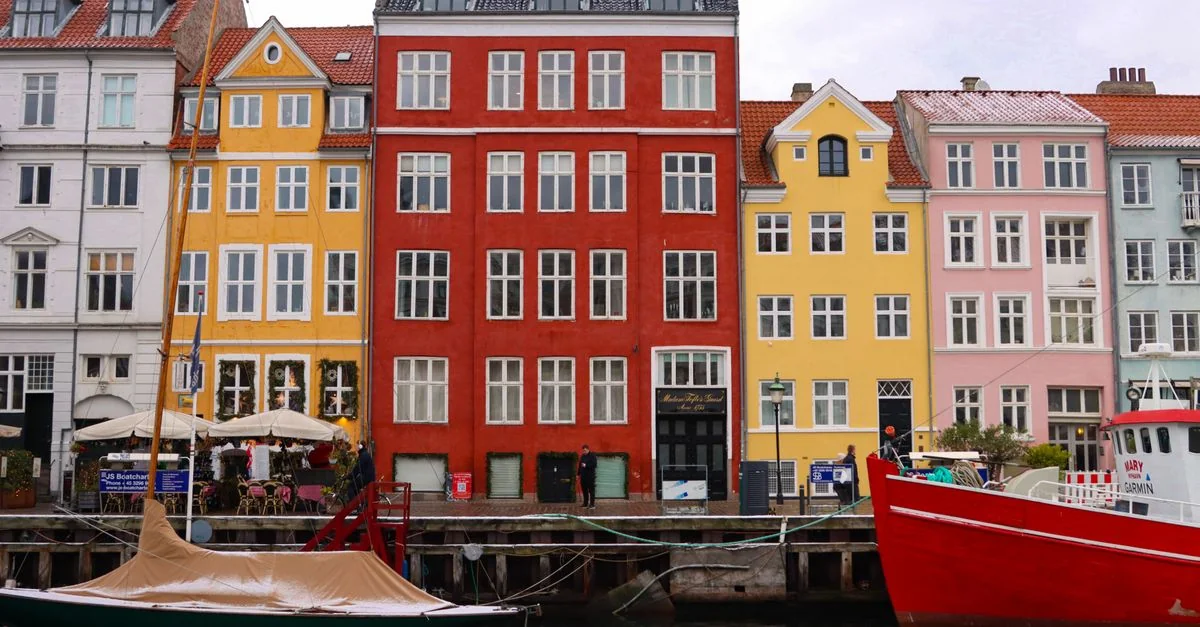
The sharp, yeasty aroma of freshly baked rye bread hangs heavy over the cobblestones, mixing with the sharp tang of fermented dairy and the unmistakable saltiness of the sea. I remember standing outside a corner bakery in the Danish capital, watching locals balance bicycles in one hand while clutching warm pastries in the other, realizing immediately that this city takes its eating seriously. Nordic cuisine has evolved past the strict minimalism of the past decade into something much more approachable, deeply grounded in neighborhood markets, sustainable agriculture, and a fierce pride in local ingredients. If you want to understand the heartbeat of this Scandinavian metropolis, you have to taste your way through it, one street corner at a time. Why København is a Food Lover’s Paradise # Walking through the Danish capital reveals an obsession with hyper-local sourcing. Bakers start working before dawn to craft sourdough loaves with dark, crackling crusts, while fishmongers arrange catches from the icy North Sea on beds of crushed ice. Traditional open-faced sandwiches, known locally as smørrebrød, elevate simple rye bread into architectural masterpieces piled high with pickled herring, cold-smoked salmon, or slow-roasted pork belly. Beyond the traditional staples, the city’s food culture embraces communal eating spaces where global street food vendors share roof space with artisanal brewers.

The sharp, char-grilled scent of spinning lamb fat hits the back of my throat the second I step off the pavement near the harbor, mingling with the sharp tang of sumac onions and warm, blistered flatbread. This coastal stretch of western Türkiye smells intensely of woodsmoke, strong black tea brewed in stacked samovars, and briny sea air. When you travel through this region, eating is not merely a way to fuel up between sightseeing stops; it is the entire point of the journey. The markets and port alleys pulse with vendors shaving hot meat into paper cones, bakers pulling sesame-crusted pastries from cavernous stone ovens, and coffee sellers swirling copper cezves over hot sand. If you want to understand the heartbeat of the Aegean coast, you have to follow the trail of smoke and sugar straight to the source. Why Kuşadası is a Food Lover’s Paradise # The culinary identity here sits comfortably at the crossroads of maritime trade and fertile agricultural valleys. Just inland, the earth yields plump olives, massive figs, and herbs that carpet the hillsides, while the Aegean Sea provides an endless supply of fresh catch. You will find breakfast spreads that stretch across entire tables, loaded with local cheeses, fresh honeycomb, and warm olives plucked from nearby groves. Local kitchens rely heavily on olive oil rather than heavy animal fats, letting the true flavors of wild greens, sun-drenched tomatoes, and slow-cooked legumes shine through every single dish.

The scent of bitter melon frying in hot oil drifts from a small kitchen window, mingling with the salt air of the East China Sea. In the northern reaches of Okinawa , the Kunigami District offers a slower pace of life where the ingredients are as rugged as the coastline. You will find that the local diet here is deeply rooted in the concept of longevity, with meals centered around fresh herbs, root vegetables, and the bounty of the surrounding ocean. It is a place where you sit on tatami mats, listening to the hum of cicadas while your host explains the medicinal properties of a local leaf. Why Kunigami District is a Food Lover’s Paradise # This northern region is distinct from the busy urban centers further south. Here, the soil is rich and the farmers are dedicated to heirloom crops that you simply cannot find in mainland Japan . When you sit down to eat in Nakijin or the surrounding villages, you are participating in a tradition that prioritizes health and balance. The local cuisine focuses on simple preparation methods that allow the natural flavor of the ingredients to shine. Whether you are sipping an herbal tea or enjoying a bowl of freshly prepared noodles, the connection to the land is always present.
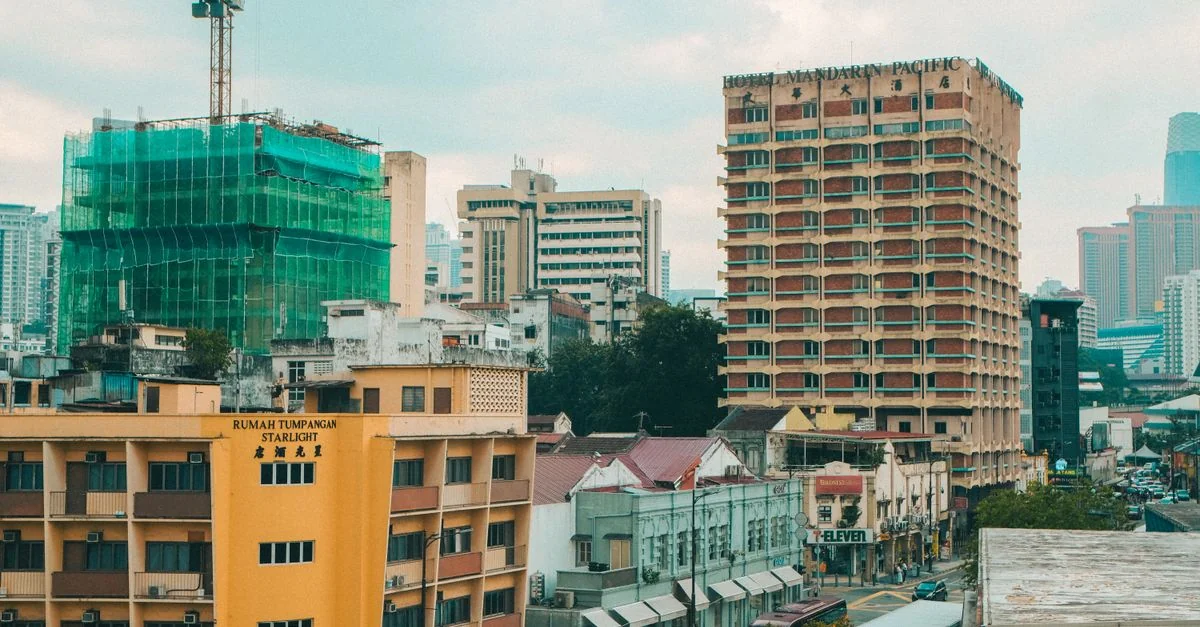
The heavy, toasted aroma of charcoal-fired wok hei hangs thick in the humid night air, mingling with the sharp funk of fermented shrimp paste and the sweet richness of coconut milk. My shoes stick slightly to the pavement outside a corner kopitiam where an uncle expertly flips rotis, tossing the dough through the air with practiced ease. This sprawling Malaysian capital runs on an endless appetite, drawing culinary traditions from Malay, Chinese, Indian, and Peranakan communities into one intoxicating sensory assault. Every street corner smells of lemongrass, galangal, and sizzling lard, demanding that you keep an empty stomach and an open mind. Why Kuala Lumpur is a Food Lover’s Paradise # Eating here means navigating a dizzying landscape of open-air hawker centers, modest neighborhood coffee shops, and roadside stalls that have been feeding locals for generations. You can start your morning with a plate of fiery nasi lemak wrapped in banana leaves, move on to hand-pulled noodles soaked in rich broth by midday, and finish with flaky murtabak or fiery wok-fried beef noodles after dark. The city operates on a 24-hour food schedule, meaning a craving for charcoal-toasted bread slathered with homemade coconut jam can be satisfied at three in the morning just as easily as three in the afternoon.