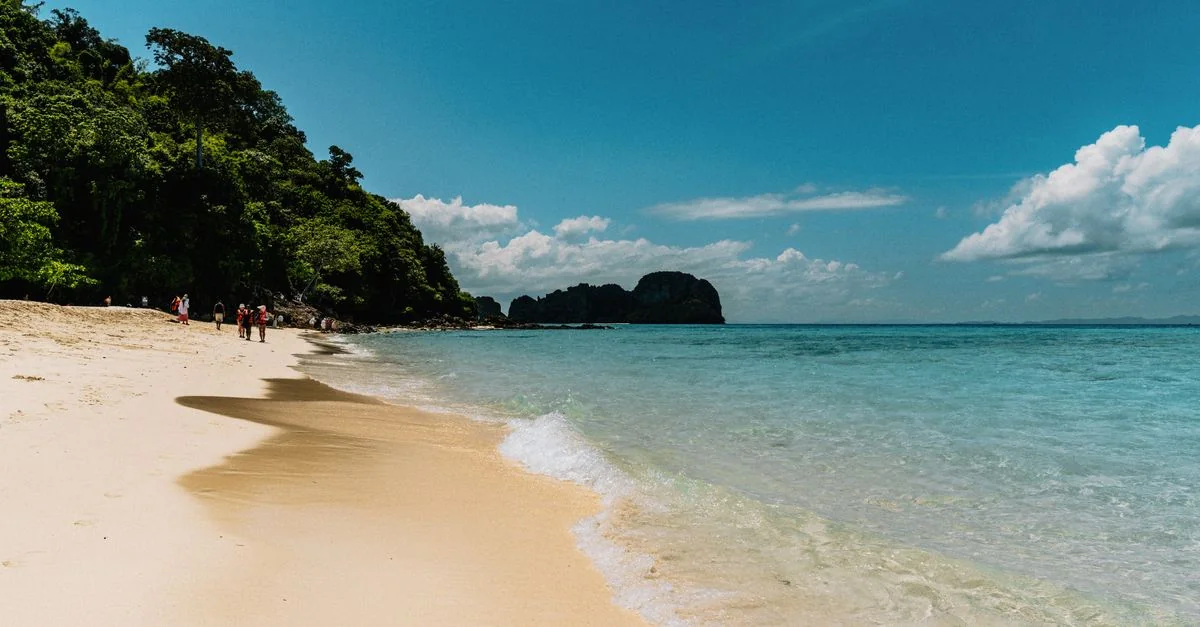
The heavy scent of roasted galangal, charred lemongrass, and bubbling coconut milk hangs thick in the humid southern air. Walking down a local soi in Mueang Krabi District, I immediately abandon any structured itinerary I had planned. Southern Thai food does not politely ask for your attention; it grabs you by the senses with a fiery punch of fermented shrimp paste, sharp makrut lime leaves, and wild turmeric. When you travel here, your stomach dictates the schedule, leading you past glowing charcoal grills and plastic stools set up right against the pavement. Why Mueang Krabi District is a Food Lover’s Paradise # Southern Thai cuisine stands apart from the tamer, sweeter flavors found in the central plains. Here, the kitchens are unapologetically bold, relying heavily on coastal seafood, fiery bird’s eye chilies, and pungent southern curry pastes pounded daily in heavy granite mortars. Walk into any morning wet market, and you will see mounds of yellow Gaeng Som—a notoriously sharp and sour fish curry—sitting alongside fresh coconut scrapers and heaps of sticky rice wrapped in banana leaves.
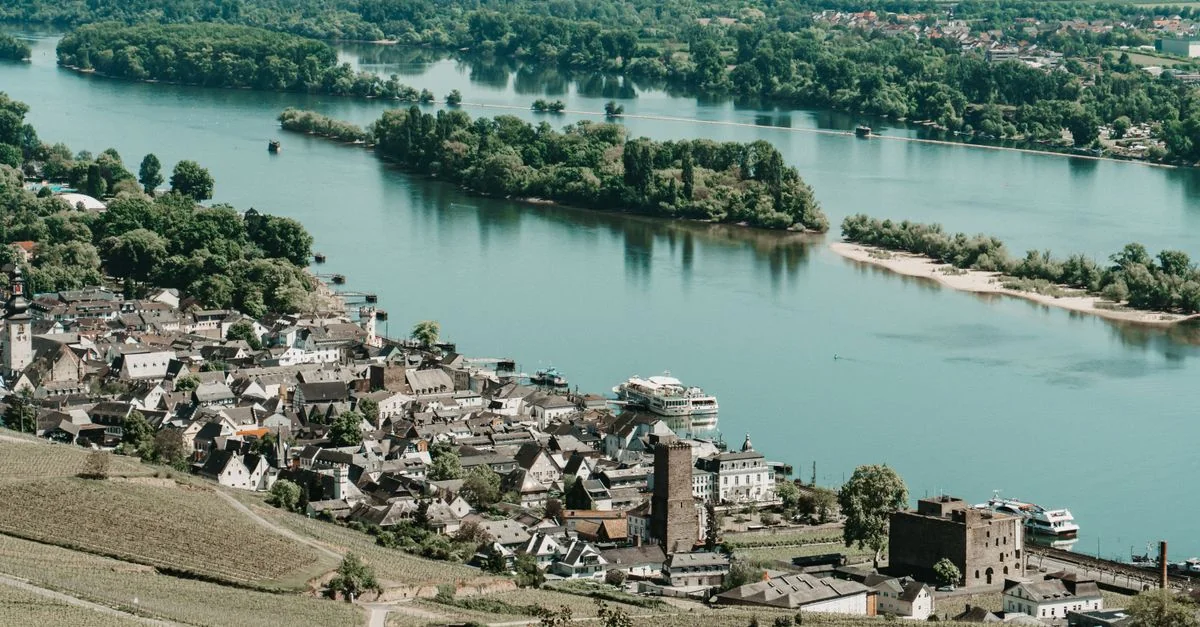
The scent of warm butter and caramelized sugar drifts through the air as you walk past the patisseries of Nancy, a smell so rich it pulls you off the sidewalk before you even realize you are hungry. Meurthe-et-Moselle, tucked away in the Lorraine region of France, offers a grounded, authentic approach to French gastronomy that feels far removed from the polished, overpriced menus of Paris. Here, the focus remains on regional staples like mirabelle plums, local cheeses, and the precise, delicate art of French pastry. Why Meurthe-et-Moselle is a Food Lover’s Paradise # This corner of France is defined by its history and its soil. The orchards surrounding Nancy produce the famous mirabelle plum, which appears in everything from jams and tarts to eau-de-vie. Walking through the streets of Nancy, you notice that the locals prioritize quality over spectacle. You will find small bakeries that have been in the same families for generations, where the sourdough starter is treated with more reverence than a family heirloom. The region’s food culture is not about grand, staged displays but rather the quiet excellence of a perfectly baked macaron or a savory quiche Lorraine served in a casual bistro.
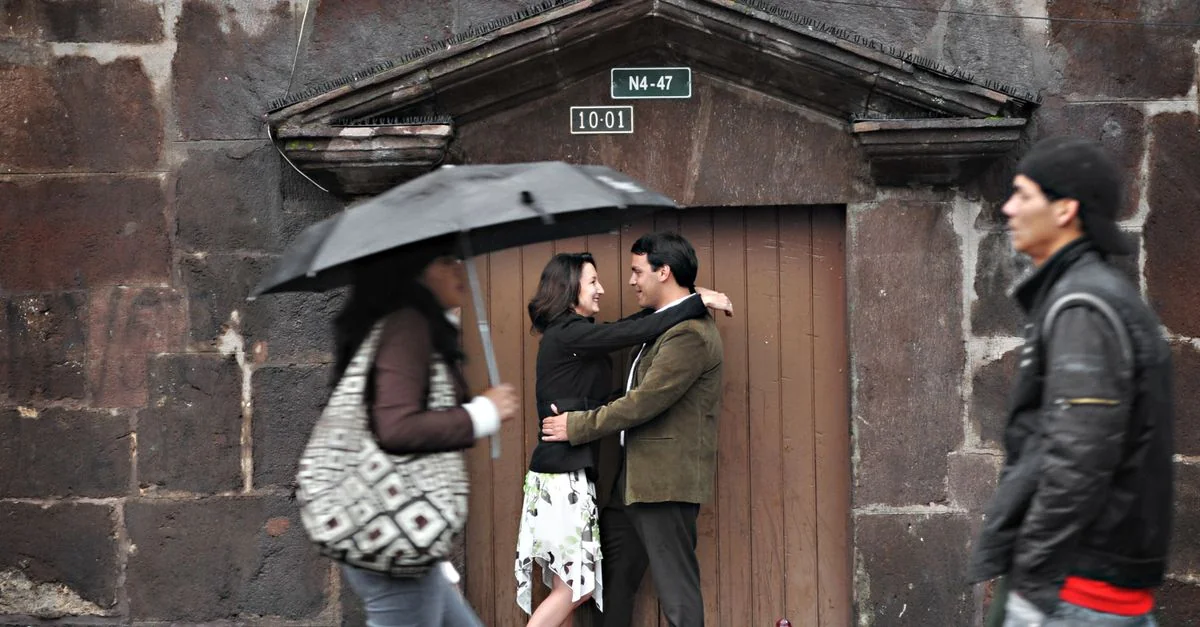
The scent of roasting corn and sweet plantains hangs heavy in the air as you walk through the narrow, cobblestone streets of the historic center. Every corner in the Metropolitan District of Quito offers a new aroma, from the sharp, salty tang of aged Andean cheese to the deep, earthy perfume of cocoa beans being ground for traditional hot chocolate. This city is a place where high-altitude agriculture meets centuries of colonial influence, resulting in a flavor profile that is uniquely Ecuadorian. Why Metropolitan District of Quito is a Food Lover’s Paradise # Quito sits at an elevation of 2,850 meters, a factor that fundamentally changes how food is prepared and how it tastes. The cooling influence of the Andes allows for a diverse range of crops, from starchy potatoes and quinoa to tropical fruits like tree tomato and passion fruit. When you walk through the local markets, you are seeing the direct result of this geography. Vendors display mounds of produce that you might not recognize, and the sheer variety of tubers is enough to keep any curious eater occupied for weeks.

The sharp, salty scent of the Pacific Ocean mingles with the yeasty aroma of fresh sourdough loaves and the sweetness of ripe Okanagan cherries as I step onto the docks of Granville Island. Steam rises from a paper cone of poutine nearby, while the faint smell of roasting coffee beans drifts from the Public Market. Vancouver is a city defined by its relationship with the water and the land, where the food scene feels less like a polished showroom and more like a direct line to the people who grow, catch, and bake the ingredients. Why Metro Vancouver is a Food Lover’s Paradise # Vancouver sits at a unique intersection of geography and culture. To the west, the Pacific provides a constant supply of spot prawns, Dungeness crab, and wild salmon. To the east, the fertile Fraser Valley acts as the region’s pantry, sending berries, corn, and dairy into the city daily. Because of this proximity, the focus here is almost always on the raw ingredient. You see it in the way chefs treat a simple piece of halibut or how a baker handles local flour.

Smoke from charcoal grills hangs heavy in the humid air, carrying the unmistakable tang of sweet soy sauce, charred vinegar, and caramelized pork fat. My sneakers stick slightly to the pavement outside a corner stall where a vendor fans embers with a piece of woven cardboard, turning skewers of skewered pork ears and intestines. Metro Manila smells like garlic, smoke, and possibility. This sprawling mega-city is an intimidating labyrinth of concrete, jeepneys, and traffic, but underneath the chaotic surface lies an eating culture shaped by centuries of trade, Spanish colonization, Chinese migration, and a fierce national pride in home-cooking. Why Metro Manila is a Food Lover’s Paradise # Eating here is an endurance sport and a daily ritual rolled into one. You are expected to eat breakfast, followed by a mid-morning snack called meryenda, followed by lunch, followed by an afternoon meryenda, followed by dinner, and perhaps a late-night bowl of noodles just in case. The local palate is defined by bold contrasts: sour, salty, sweet, and funky all at once. Vinegar is treated as a food group, coconut milk softens the burn of bird’s eye chilies, and garlic is measured by the bulb rather than the clove.
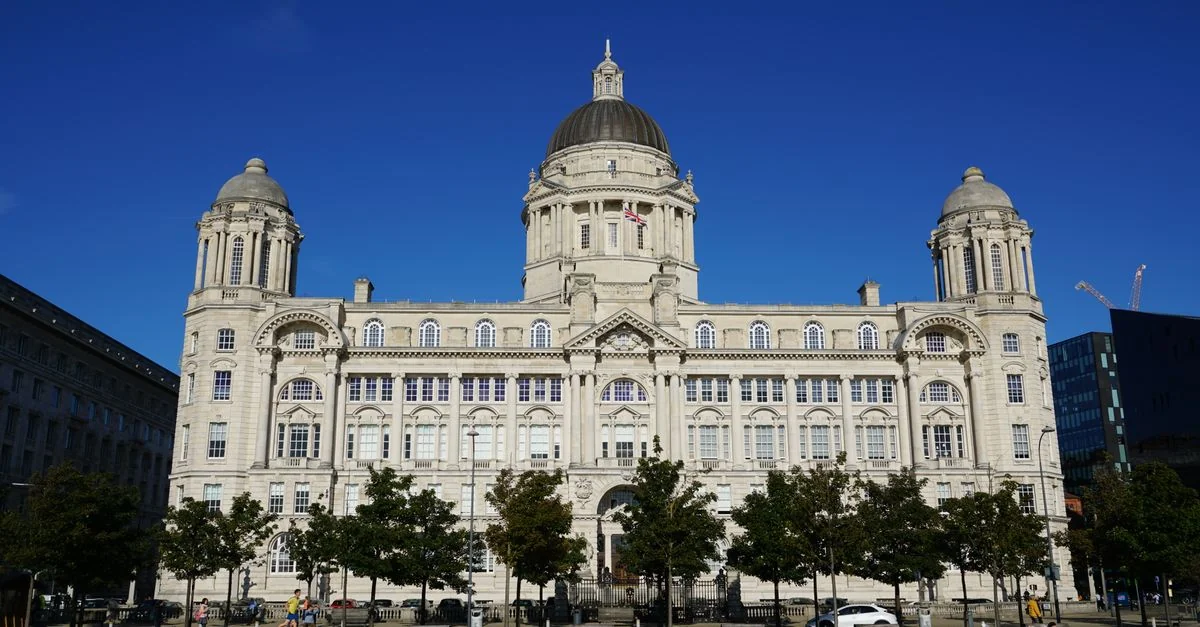
The heavy, comforting scent of malt vinegar mixed with fried batter hung thick in the damp air as I walked past the historic docks, listening to seagulls wheeling over the gray Mersey. Merseyside smells like salt, fresh-baked scouse, and centuries of maritime history. This northwestern corner of England, anchored by Liverpool and framed by the River Mersey, punches well above its weight when it comes to regional British grub. If you think local cooking begins and ends with fish and chips, prepare to have your palate rearranged by dockside pubs, historic tearooms, and working-class dishes born from Irish and Welsh immigration. Why Merseyside is a Food Lover’s Paradise # Merseyside possesses a distinct culinary personality forged by its status as a major global port. Sailors and immigrants brought spices, techniques, and ingredients that blended smoothly with Lancashire traditions. You find this multicultural history in the local obsession with spiced beef, salt fish, and the legendary Scouse, a thick, slow-cooked lamb or beef stew with potatoes, carrots, and onions. Every family claims their recipe is the definitive version, usually served alongside crusty bread and pickled red cabbage or beetroot. The pub culture here treats food with as much respect as the pints pulled from the taps, offering proper hearty lunches that keep out the chill of the Irish Sea.
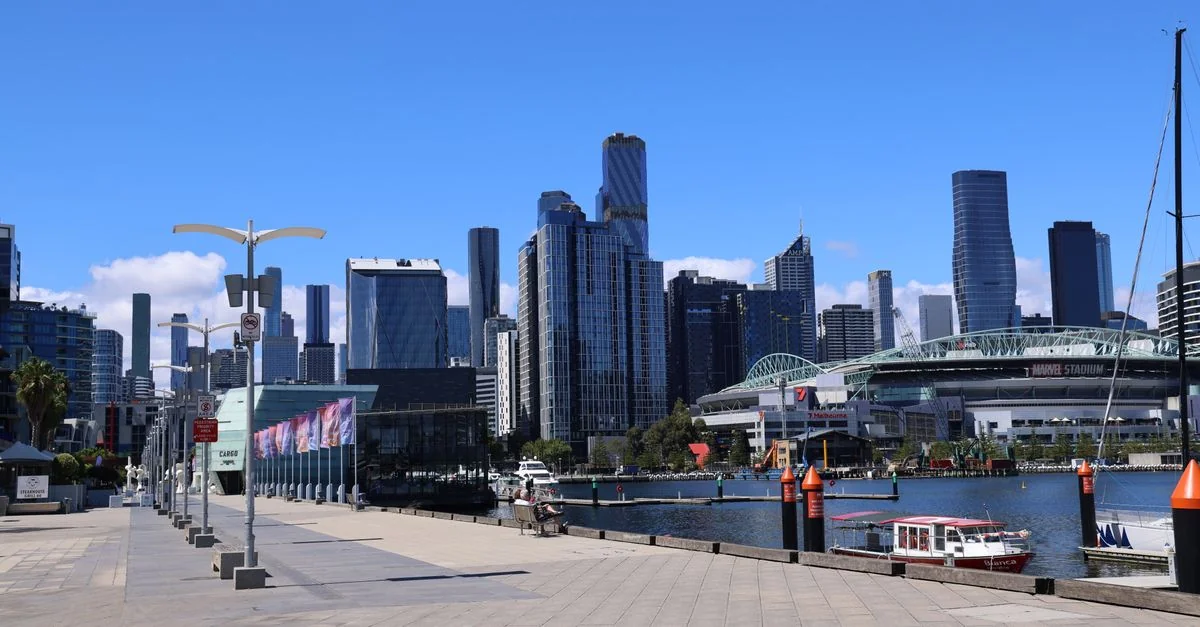
The scent of freshly roasted coffee beans hangs heavy in the air as you turn into one of the city’s narrow, graffiti-covered laneways. Before you even spot the barista, the sharp, nutty aroma of a double-shot flat white signals that you have arrived in the heart of Australia’s most obsessed coffee culture. Melbourne is a city that takes its breakfast seriously, where the quality of a poached egg or the texture of a sourdough crust is a matter of intense local debate. Why Melbourne is a Food Lover’s Paradise # Melbourne functions as a sprawling grid of neighborhoods, each with a distinct flavor profile. You can start your morning in the northern suburbs with a minimalist pour-over and finish your evening in the south with a complex, multi-course meal overlooking the water. The city’s strength lies in its diversity, fueled by waves of migration that have brought authentic flavors from every corner of the globe to these streets.
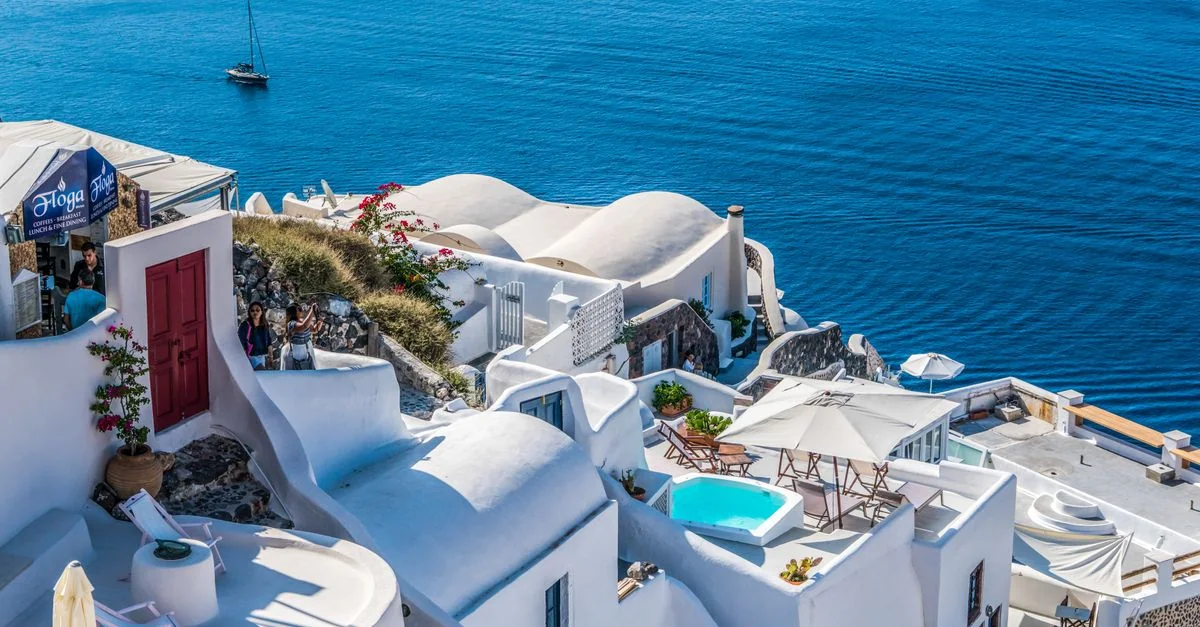
The scent of sun-warmed tomato paste and wild oregano drifts through the narrow, stone-paved alleys of Megalochori, signaling that it is time for lunch. Unlike the crowded caldera edges of Oia or Fira, this village retains a quiet, agricultural soul. You can hear the distant clink of cutlery against ceramic plates as residents settle into their midday meals, and the air carries a faint, earthy sweetness from the nearby vineyards. Eating here is not about checking items off a list; it is about slowing down to appreciate the specific volcanic terroir that defines every bite of Santorini produce. Why Megalochori is a Food Lover’s Paradise # Megalochori functions as the quiet backbone of the island’s agricultural identity. While the rest of the island focuses on sunset views, this village focuses on the harvest. The soil here is rich with volcanic ash, giving the local cherry tomatoes, fava beans, and white eggplants a distinct, concentrated flavor that you simply cannot replicate elsewhere. Dining in the village square often feels like being invited into a neighbor’s home, where the menu is dictated by what the local farmers brought in that morning.
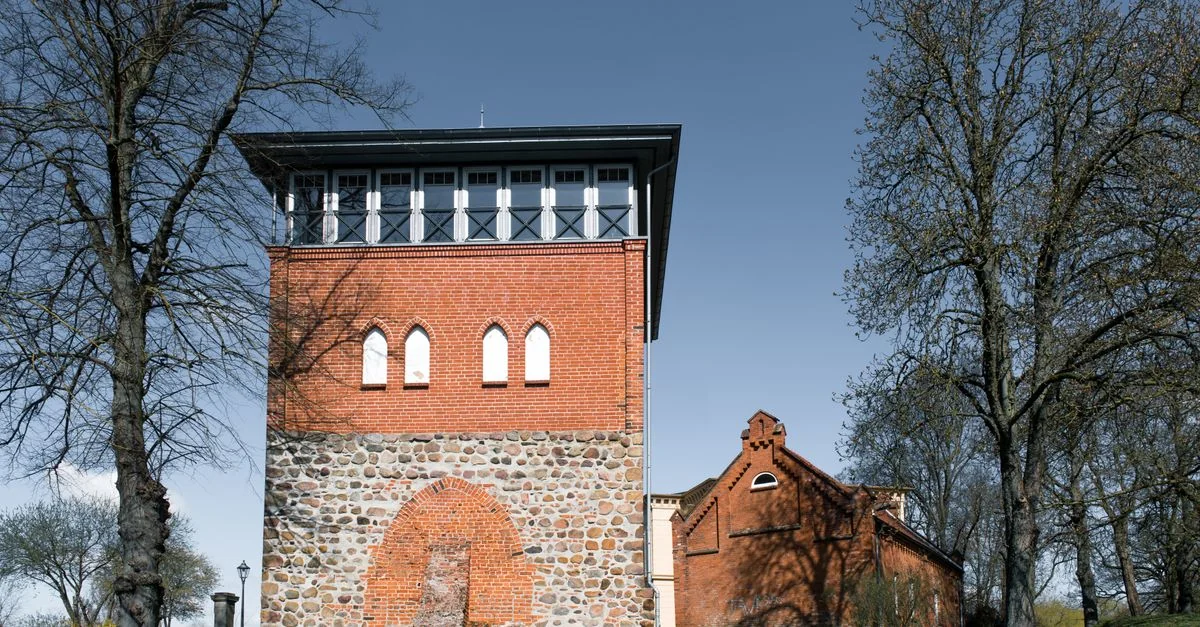
The heavy scent of toasted sesame oil and steaming pork broth hangs thick in the air, pulling me straight toward the kitchen doors. When I wander through Mecklenburg County, my nose always leads the way. This region of North Carolina might not have the old-world street food pedigree of other Southern hubs, but its modern table leans hard into inventive global flavors mixed with Carolinian hospitality. Why Mecklenburg County is a Food Lover’s Paradise # The local food scene here thrives on a strange and wonderful collision of traditional barbecue joints and contemporary culinary labs. On any given afternoon, you can smell slow-smoked hickory fading into the sharp tang of fermented chili paste from a newly opened dumpling shop. Neighborhoods like Plaza Midwood and NoDa serve up everything from Carolina-style pulled pork slathered in vinegar to complex international street eats that rival larger coastal cities.
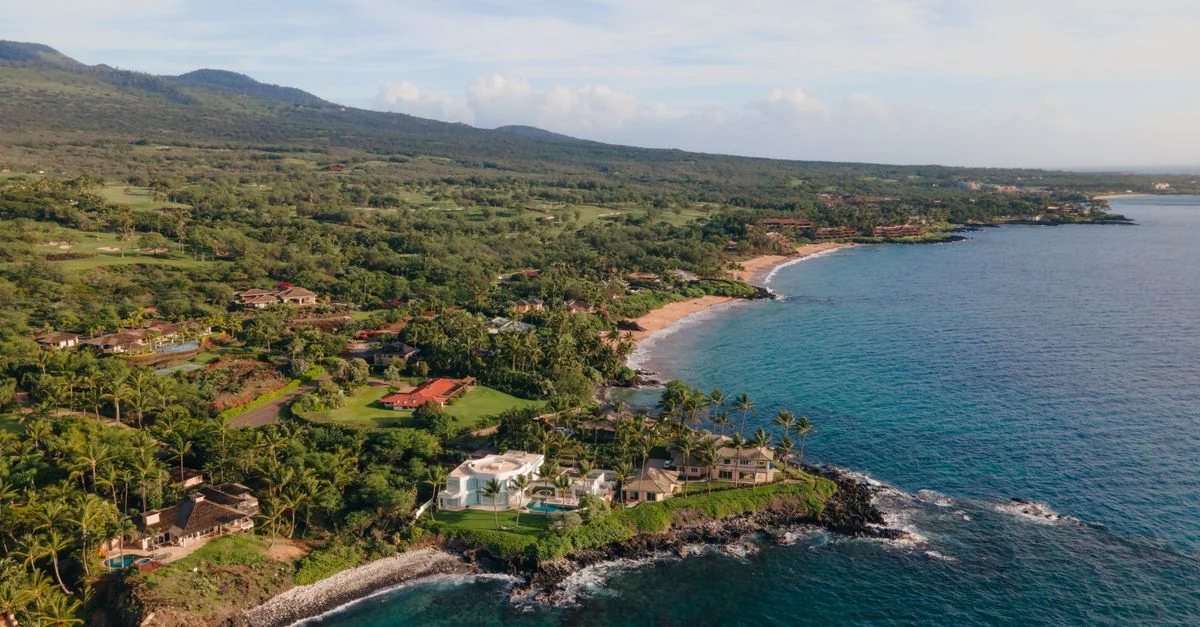
Smoke from kiawe wood and the heavy, sweet scent of overripe pineapple hang thick in the warm island air, greeting you the moment you step off the plane in Maui County. My stomach rumbles instantly. I chase that initial scent down dusty red-dirt roads and past rows of rusting sugarcane to find the real heart of the islands. Forget standard resort buffets. I want the charred edges of huli huli chicken, the sticky, purple smear of fresh taro poi, and the briny pop of freshly harvested opihi eaten straight from the rocks with a squeeze of key lime. Why Maui County is a Food Lover’s Paradise # Island cuisine here is a living archive of plantation history, Polynesian voyaging, and modern farming. You taste it in the sweet Maui onions grown in the volcanic soils of Upcountry, and in the buttery slabs of fresh ahi poke scooped from simple roadside coolers. Every meal tells a story of the people who worked these steep valleys and fished these deep blue channels.