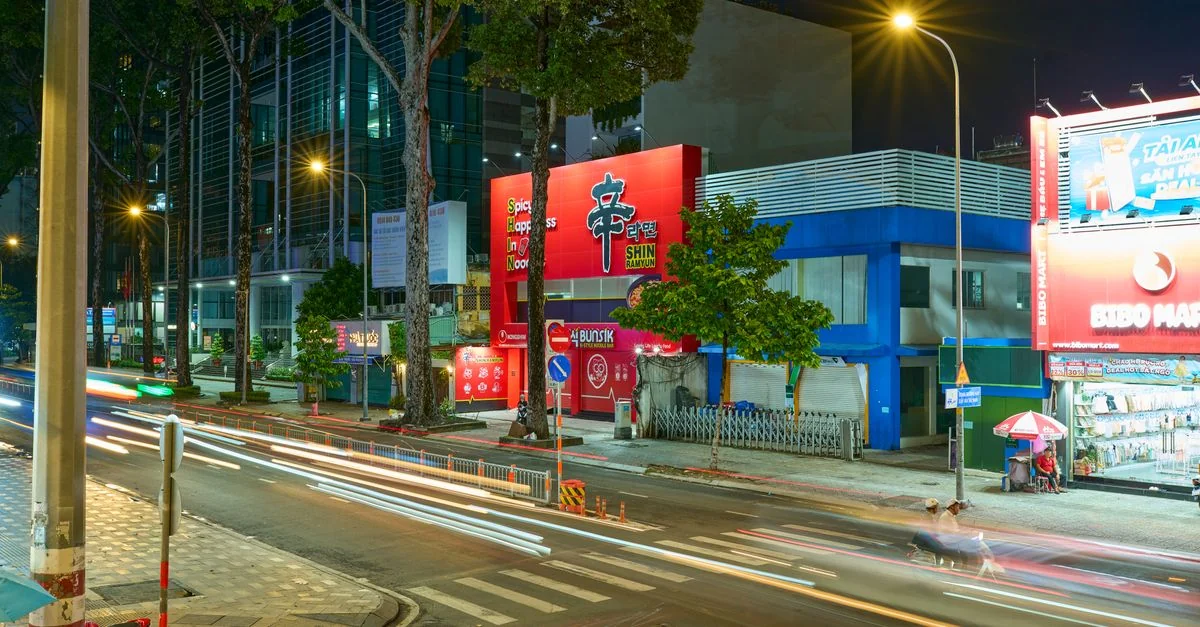
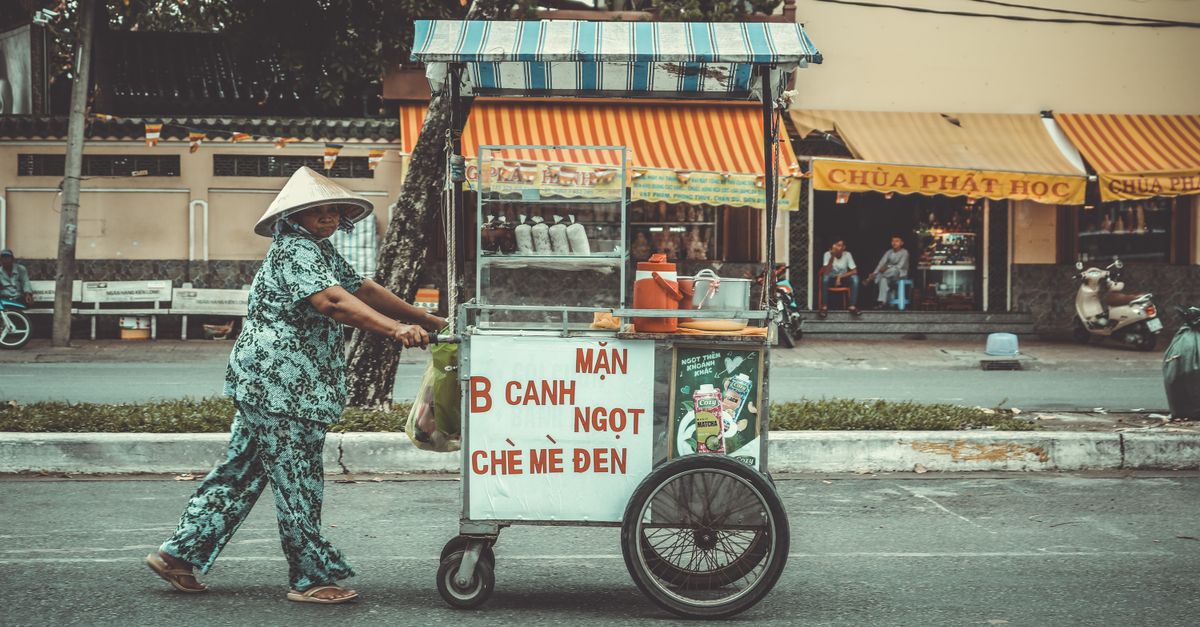
The moment you step into Quận 3, the air is thick with the tantalizing aromas of grilled meats, fresh herbs, and fragrant spices. The streets are alive with the chatter of locals and the clinking of chopsticks, creating a sensory overload that’s impossible to resist. Quận 3 is a food lover’s paradise, where every corner offers a new culinary adventure. Why Quận 3 is a Food Lover’s Paradise # Quận 3’s food scene is a lively mix of flavors and textures, shaped by its long history and diverse cultural influences. From the busy street markets to the cozy family-run eateries, the city offers a wide range of dining experiences. The Saigon Evening Street Food Tour with 6 Dishes is a perfect way to explore in this culinary landscape, taking you on a journey through the city’s most iconic food spots.
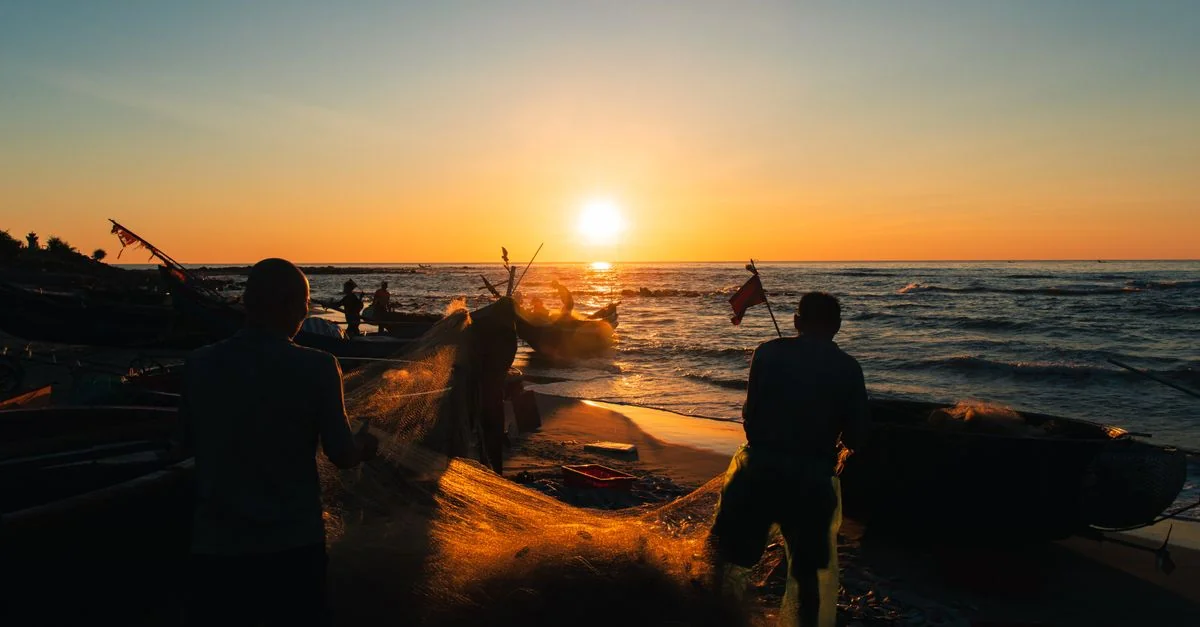
The moment you step into Quảng Nam , the air is filled with the rich, earthy aroma of grilled seafood and the sweet, tangy scent of fresh fruit. This province, nestled between the Central Highlands and the South China Sea, is a food lover’s paradise. From the busy streets of Hoi An to the tranquil rice paddies of Hội An , every corner offers a new culinary adventure. to the best food tours that will make your taste buds dance. Why Quảng Nam is a Food Lover’s Paradise # Quảng Nam’s food scene is a lively mix of flavors, influenced by its long history and diverse geography. The province is famous for its seafood, particularly shrimp and crab, which are grilled to perfection and served with a side of fresh herbs and lime. The region’s coffee is also renowned, with Hoi An being one of Vietnam ’s top coffee-growing areas. Tip: Eat before noon to avoid crowds at the local markets, where you can sample fresh produce and handmade pastries.
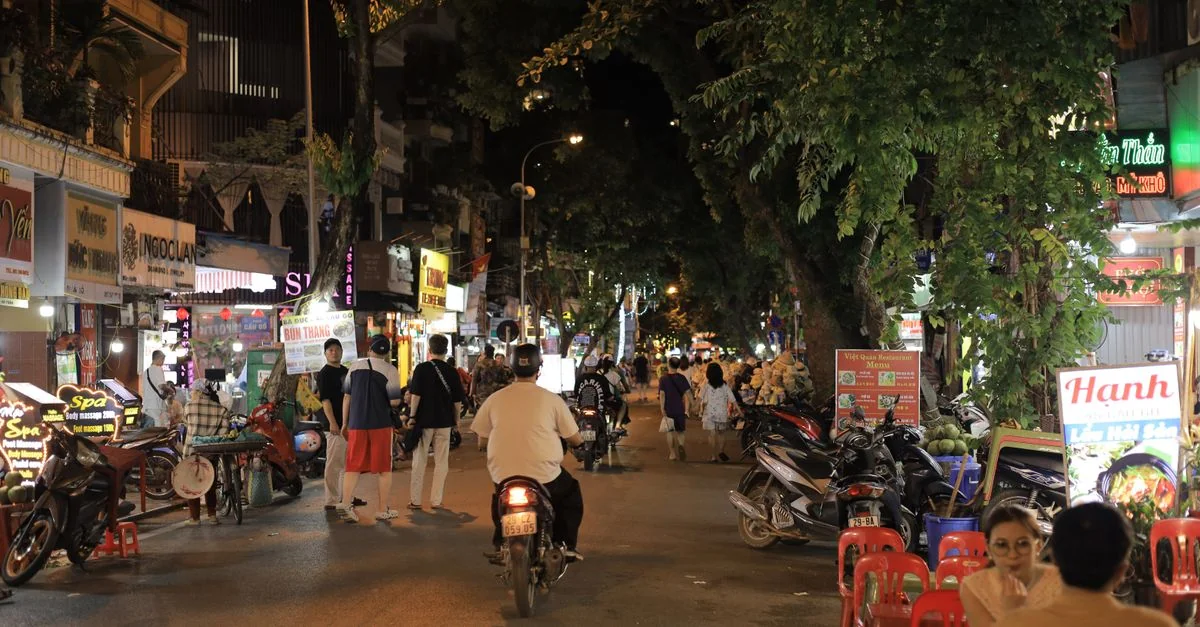
The scent of charred lemongrass and pungent fish sauce hangs heavy in the humid air of the local markets, signaling the start of another morning in Khánh Hòa . As the sun begins to climb, the rhythmic chopping of herbs against wooden boards provides a steady soundtrack to the province’s morning routine. Here, the proximity to the coast means that every meal carries the salt of the sea, balanced by the sharp, bright acidity of lime and the heat of bird’s eye chilies. Eating in this region is not just about sustenance; it is a ritual of gathering fresh ingredients and transforming them into something that speaks of the local landscape. Why Khánh Hòa is a Food Lover’s Paradise # Khánh Hòa sits at a unique intersection of coastal abundance and agricultural tradition. The province is famous for its seafood, particularly the jellyfish salads and the ubiquitous fish cake noodle soup that locals consume at all hours. Beyond the ocean, the inland areas provide fresh greens, herbs, and tropical fruits that define the flavor profile of central Vietnamese cooking. The food culture here is unpretentious, favoring plastic stools on the sidewalk and communal bowls over white-tablecloth service. You will find that the most memorable meals often come from vendors who have been perfecting a single recipe for decades.
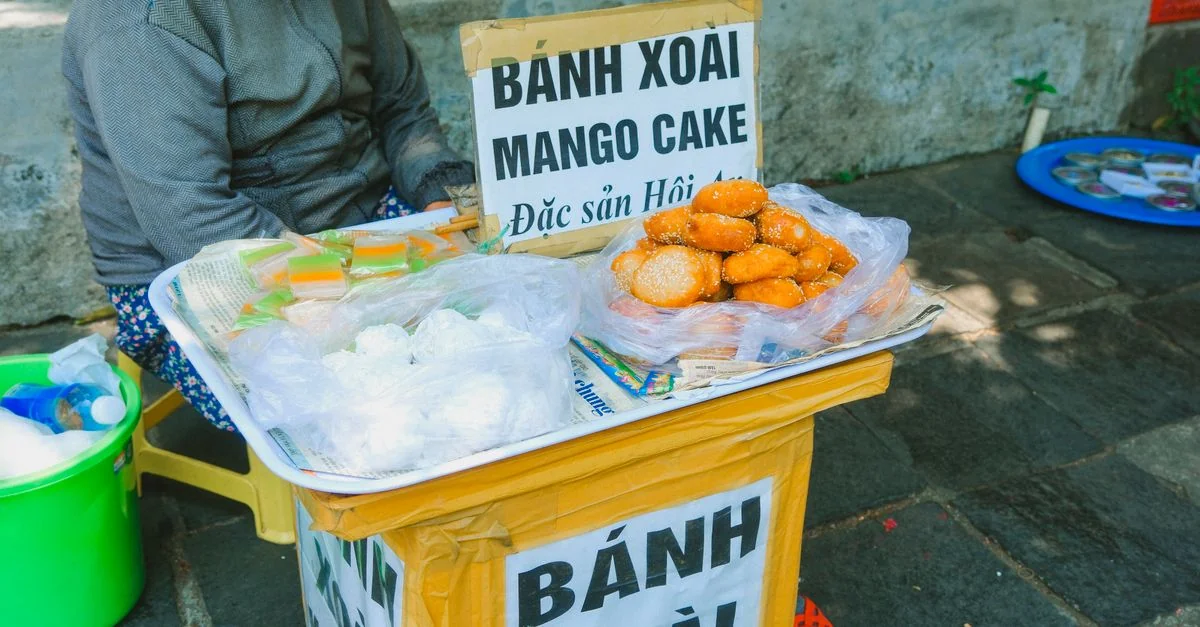
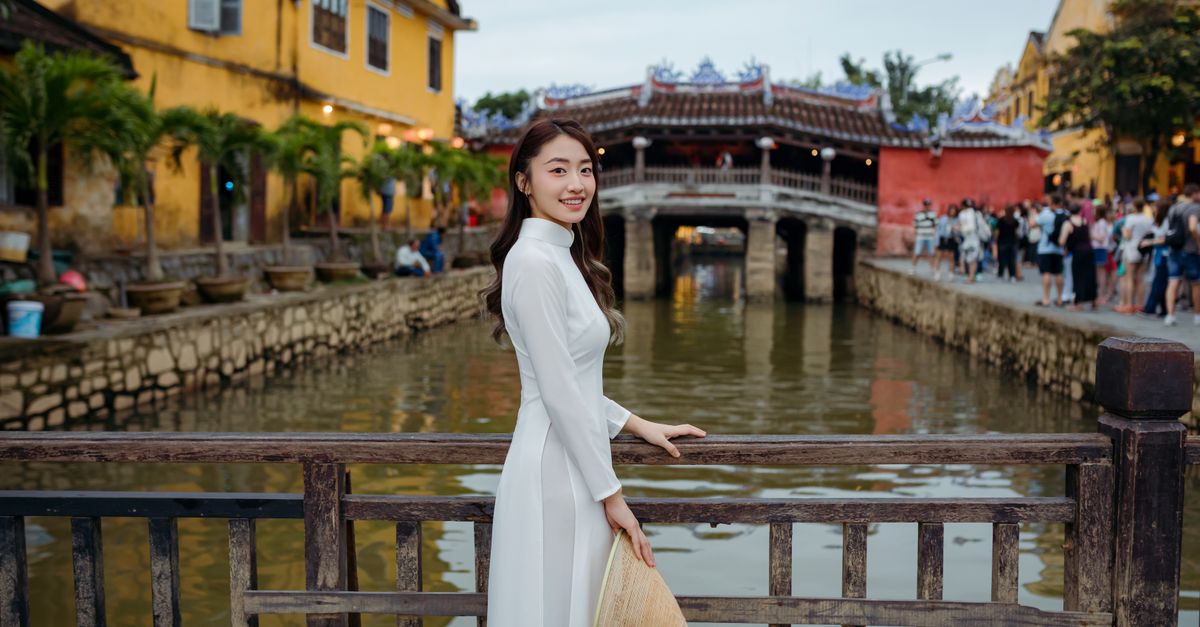
The heavy, fragrant haze of charcoal-grilled pork, fresh lemongrass, and fish sauce hangs thick over the narrow yellow alleyways of the old town as dusk settles. Motorbikes buzz past like angry hornets, but my nose is firmly locked onto a street vendor hunched over a steaming aluminum pot of cao lầu noodles. If you think you know Vietnamese cuisine from your local noodle shop back home, eating your way through central Vietnam will completely rewire your expectations. Every corner reveals a new smell, from toasted sesame rice crackers to sweet corn pudding bubbling in battered woks. Why Hội An is a Food Lover’s Paradise # Central Vietnamese cooking stands apart from the northern phở traditions and the southern sweet-heavy street plates. Here, the flavors punch harder, relying on local herbs plucked straight from Trà Quế village, fiery bird’s eye chilies, and rich pork broths flavored with lye water sourced from ancient Cham wells. You sit on plastic blue stools that barely clear your knees, watching families grind rice flour and shape white rose dumplings with nimble fingers honed over generations. The town’s historic trading port roots bleed directly into the kitchen, blending Chinese, Japanese, and French colonial influences into dishes you cannot replicate anywhere else on earth.
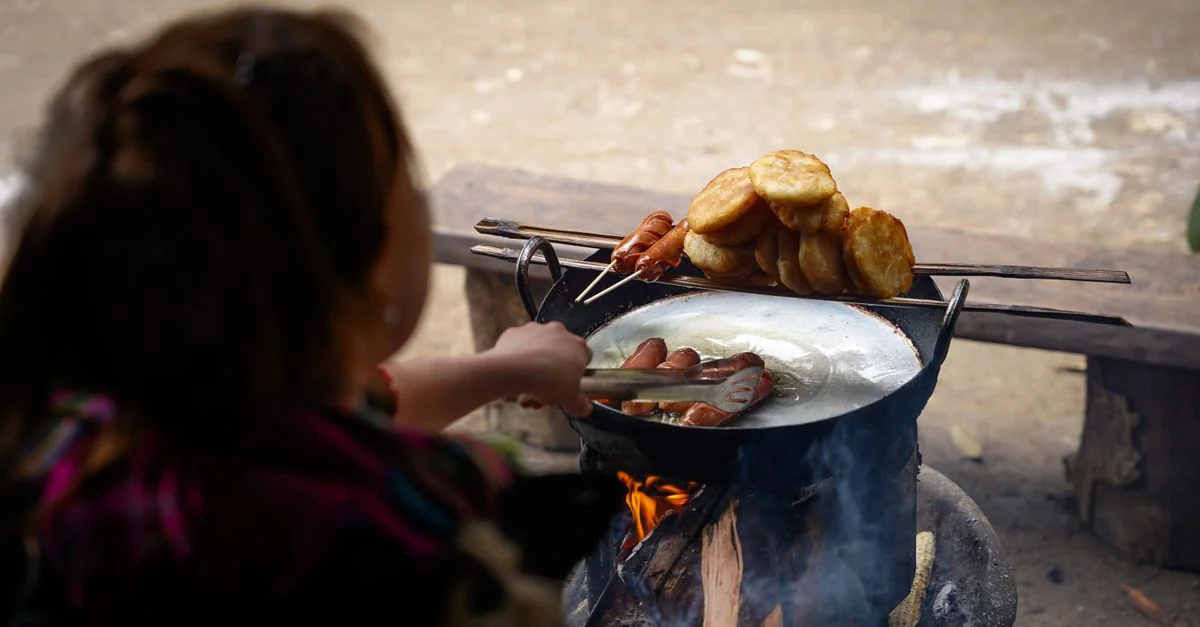
The heavy, sweet aroma of condensed milk dripping over dark roast robusta beans hangs thick in the humid morning air, mingling with the sharp, savory scent of simmering bone broth from a corner noodle cart. This is the sensory reality of waking up in the center of Da Nang , where every alleyway promises a fresh discovery for the hungry traveler. I spent weeks wandering these streets, following my nose past open-air grills and crowded plastic stools, searching for the true essence of central Vietnamese cooking. Why Hải Châu District is a Food Lover’s Paradise # This district serves as the beating heart of Da Nang, where historic traditions crash directly into modern urban development. Sitting right along the Han River, the neighborhood brings together coastal seafood traditions and rich central heritage recipes that differ distinctly from the food found in Hanoi or Ho Chi Minh City . You will find bowls of turmeric-stained mi quang noodles loaded with shrimp, pork, and crunchy peanuts, alongside stalls grilling pork skewers over glowing coals. The neighborhood thrives on morning markets and late-night food stalls where locals gather on tiny red plastic chairs to share meals and stories.
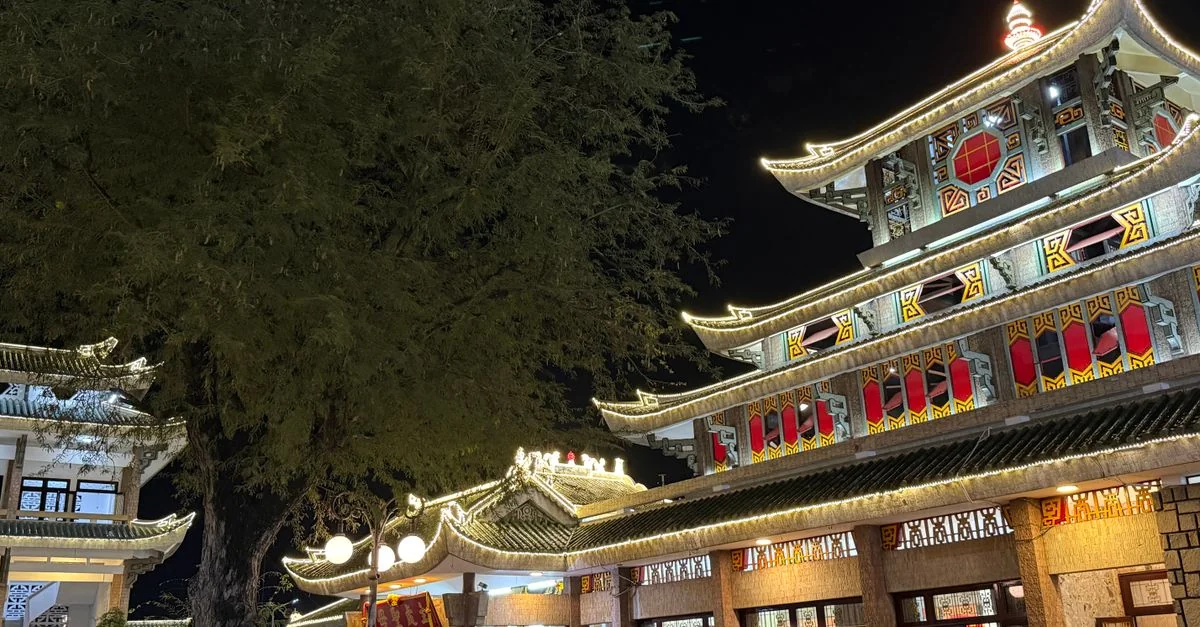
The scent of charred lemongrass and fermented fish sauce drifts through the humid air as I walk along the Han River. In Hải Châu, the heart of Da Nang , the sidewalk is a theater of plastic stools and bubbling pots. You can smell the sharp, salty tang of fermented shrimp paste, a staple of the central Vietnamese palate, mingling with the sweet, smoky aroma of grilled pork skewers. The city wakes up to the sound of metal spoons clinking against ceramic bowls, signaling the start of a morning ritual that prioritizes freshness above all else. Why Hải Châu is a Food Lover’s Paradise # Hải Châu serves as the central hub for those exploring the culinary landscape of central Vietnam . Because of its location, the district acts as a crossroads for regional specialties. You will find the influence of Hue, the former imperial capital, sitting comfortably alongside the coastal bounty of the South China Sea. The food here is defined by balance—the heat of bird’s eye chilies, the crunch of fresh herbs, and the depth of slow-simmered broths.
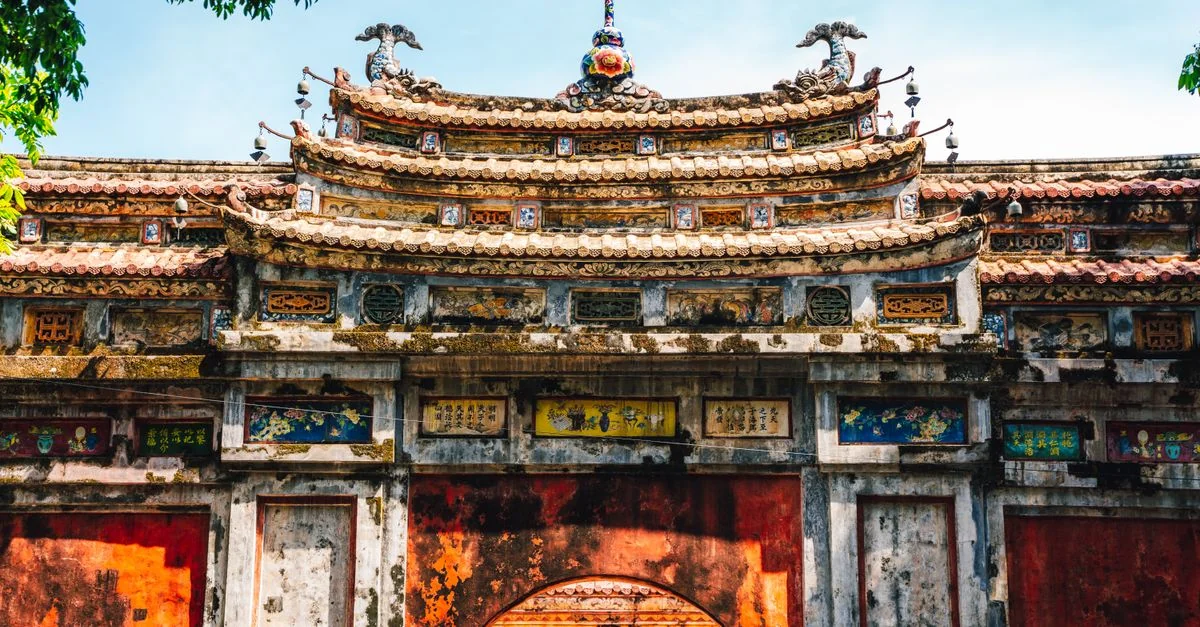
The scent of star anise and charred shallots hangs heavy in the air as you walk past the low-slung wooden stalls lining the Perfume River. In Huế, the former imperial capital of Vietnam , the morning starts not with a quiet cup of tea, but with the sharp, savory steam of bun bo hue rising from sidewalk plastic stools. The broth here is a deep, complex crimson, stained with annatto oil and fortified with lemongrass, a stark contrast to the lighter soups found in the north or the sweeter profiles of the south. Every bowl tells a story of the Nguyen Dynasty’s influence, where royal kitchen standards trickled down to the common street vendor. Why Huế is a Food Lover’s Paradise # Huế is arguably the most significant city in Vietnam for those who view food as a historical document. The local diet is defined by its royal lineage, focusing on delicate presentation and a precise balance of flavors. You will notice that portions are often smaller than in other Vietnamese cities, reflecting the aristocratic preference for variety over volume. The city is famous for its banh, or steamed rice cakes, which are topped with dried shrimp and served with a pungent, chili-heavy fish sauce.
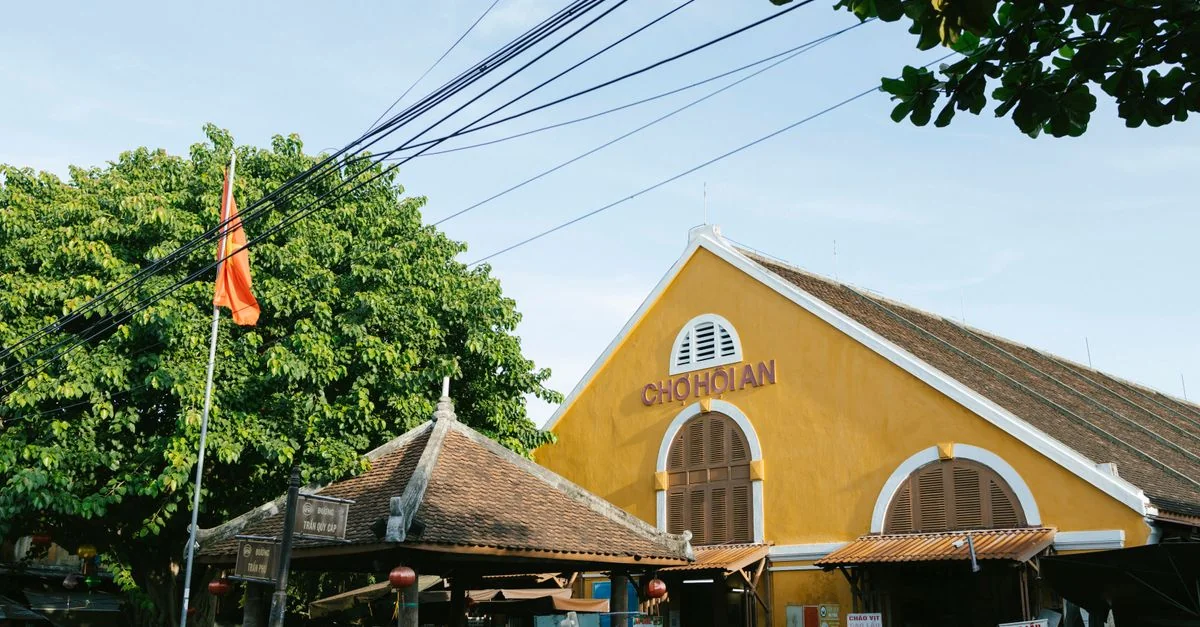
The heavy, fragrant scent of charred lemongrass and bubbling pork fat drifts down the lantern-lit alleys of central Vietnam , instantly pulling me toward a plastic stool where a vendor flips sizzling rice pancakes over hot coals. My stomach grumbles in anticipation as I watch turmeric-tinted batter crisp up on the grill, knowing that this exact sensory collision of smoke, fresh herbs, and fermented fish sauce defines the soul of eating in this ancient port town. Why Hoi An is a Food Lover’s Paradise # Few places on earth celebrate the marriage of Chinese, Japanese, and French colonial influences quite like this coastal Vietnamese hub. Street corners overflow with woven baskets stacked high with emerald-green perilla, mint, and cilantro, waiting to wrap around slow-braised pork belly or crispy spring rolls. The local water supply from ancient wells gives the signature rice noodles their distinctively springy texture, setting the local cao lau apart from any noodle bowl you will find in Hanoi or Ho Chi Minh City . Eating here means pulling up a tiny plastic chair right on the curb, ordering a cold local brew, and watching motorbikes buzz past while you devour white rose dumplings pinched into delicate floral shapes. Tip: Eat before noon to avoid crowds at the busiest open-air noodle stalls.
The scent of slow-dripping robusta coffee and toasted condensed milk hits you long before you see the cafe. It is a thick, chocolatey aroma that clings to the humid air, mixing with the faint smell of charcoal smoke from a nearby alley. In Cửa Nam , the food scene isn’t about flashy presentations; it is about the ritual of the brew and the precision of the pour.
The scent of charred pork and fermented shrimp paste clings to the humid air, mixing with the sharp, sweet aroma of freshly sliced pomelo. In Cầu Giấy, the air doesn’t just carry smells; it carries an invitation to eat. Walking through this district, you aren’t greeted by the polished facades of the tourist center, but by the rhythmic clinking of metal spatulas against woks and the steam rising from giant pots of broth that have been simmering since dawn.